Connected daily living
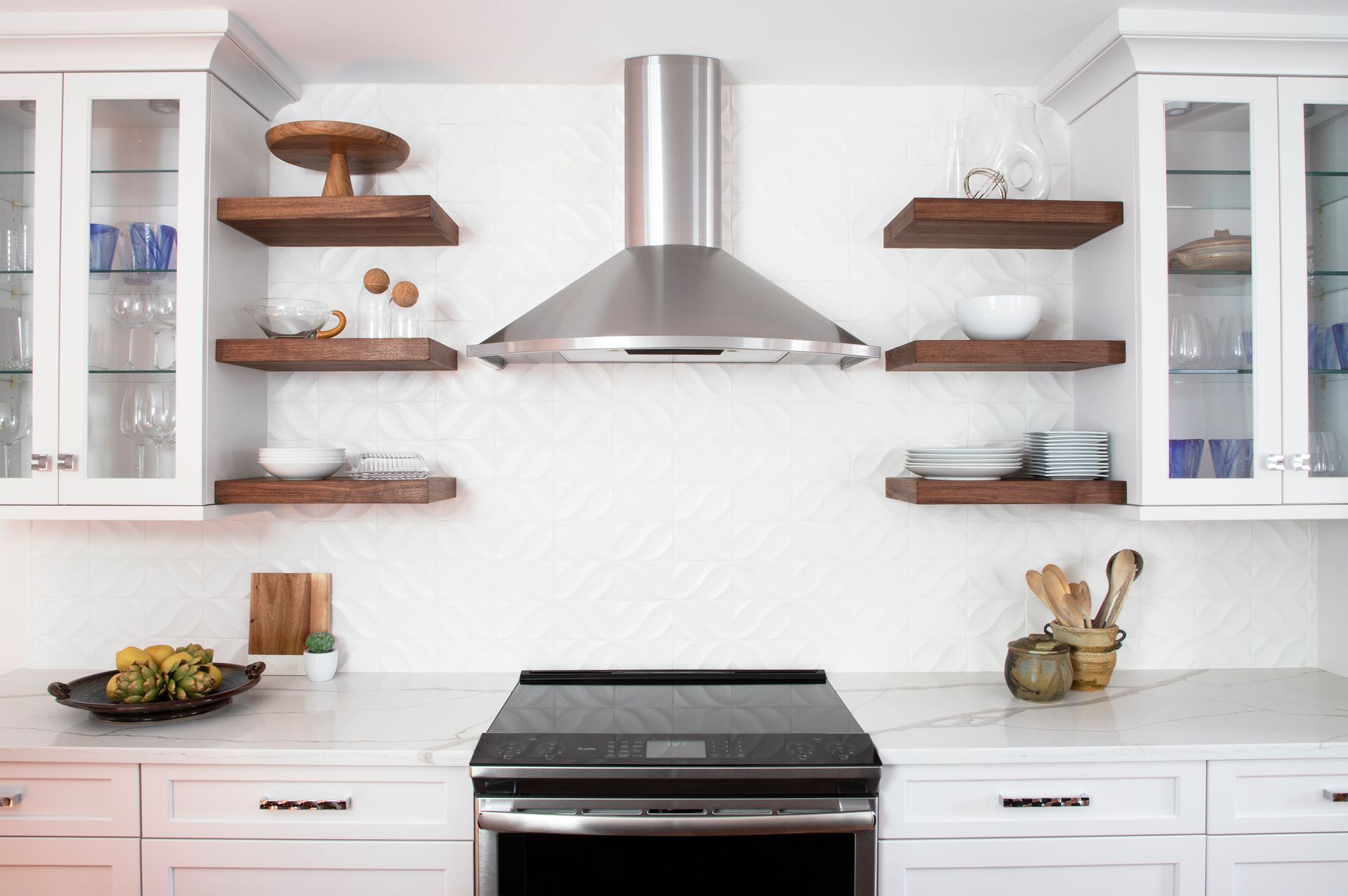
Choose this layout when cooking, dining, hosting, and family time all happen in the same zone and you want those spaces to feel more open and social.
More natural light
Better flow
Flexible space use
4224 Oregon Pike
Brownstown, PA 17508
This layout works best for homeowners who want a connected main living area, easier entertaining, and a space that feels larger and brighter. The biggest tradeoffs are less privacy, more shared noise, and a remodel scope that can become structural.
Choose this layout when cooking, dining, hosting, and family time all happen in the same zone and you want those spaces to feel more open and social.
Removing walls can help a kitchen feel larger and more inviting without adding square footage.
Noise, smells, and visual clutter move more freely, so the space needs stronger planning and organization.
Simple takeaway: if you want an airy, social kitchen and your home can support the remodel, open concept is a strong option. If you value quiet, separation, or visual privacy, a partial-open layout may be the smarter path.
Open concept kitchens continue to be one of the most popular choices in modern home design. Homeowners are drawn to the idea of creating a more open, connected space where cooking, dining, and everyday living all come together. It’s easy to see why. An open concept kitchen can make your home feel larger, brighter, and more inviting.
At the same time, this layout isn’t the perfect fit for everyone. While it offers clear advantages, there are also a few tradeoffs to consider.
In this blog, we’ll review the pros and cons of an open floor plan kitchen remodel to help you decide if this trending layout is right for you and your family.
Before we determine the pros and cons of an open plan kitchen, it’s important to understand the difference between an open concept vs. traditional floor plan.
An open-concept kitchen is a layout in which walls and barriers are removed, merging living spaces into a single space. Instead of separate rooms divided by doorways, everything flows together in a more connected environment.
Traditional floor plans, however, often feature multiple enclosed rooms and defined boundaries between spaces, creating a labyrinth-like layout in your home.
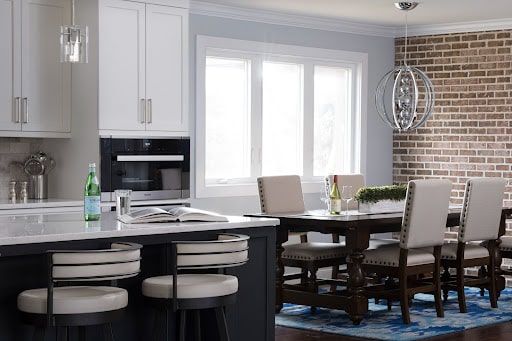
Open-concept kitchens remain a popular choice for homeowners, as they are very much in style. The way people use their homes has changed over time, and this layout reflects that. Today, many families prefer spaces that feel connected, flexible, and easy to move through.
In an open concept layout, the focus is on visibility and movement. You can cook, dine, entertain, and relax without feeling cut off from the rest of your home. It brings people together without making them feel crowded or confined.
At the same time, designs have evolved. Many homeowners now incorporate subtle zoning elements, such as islands, lighting, or furniture placement, to create definition within the space while still maintaining an open, airy feel.
When discussing the pros and cons of an open plan kitchen, it’s easy to see why this layout is such a popular choice for homeowners. By removing walls and opening up your space, you create a home that feels more functional and adaptable to everyday life.
Whether you’re planning an open-floor-plan
kitchen remodel or simply considering your options, these advantages are worth keeping in mind.
Fewer rooms mean bigger rooms, which make entertaining and spending quality time with your family much easier. Open-plan living creates a multifunctional space that extends your dining, living, and kitchen areas.
It also allows for easier multitasking. For example, while someone is prepping meals in the kitchen, they can also socialize with other family members or friends who are hanging out in the living or dining room areas.
“Does open plan living add value?” is one of the most common questions homeowners ask when discussing a kitchen remodel open floor plan, and the answer is yes. Over the past couple of years, open-plan concepts have been highly sought out.
As a result, these floor plans tend to sell for more. Making your home more visually appealing benefits your living situation and puts you in a better position if you choose to sell in the future or want to increase your resale value.
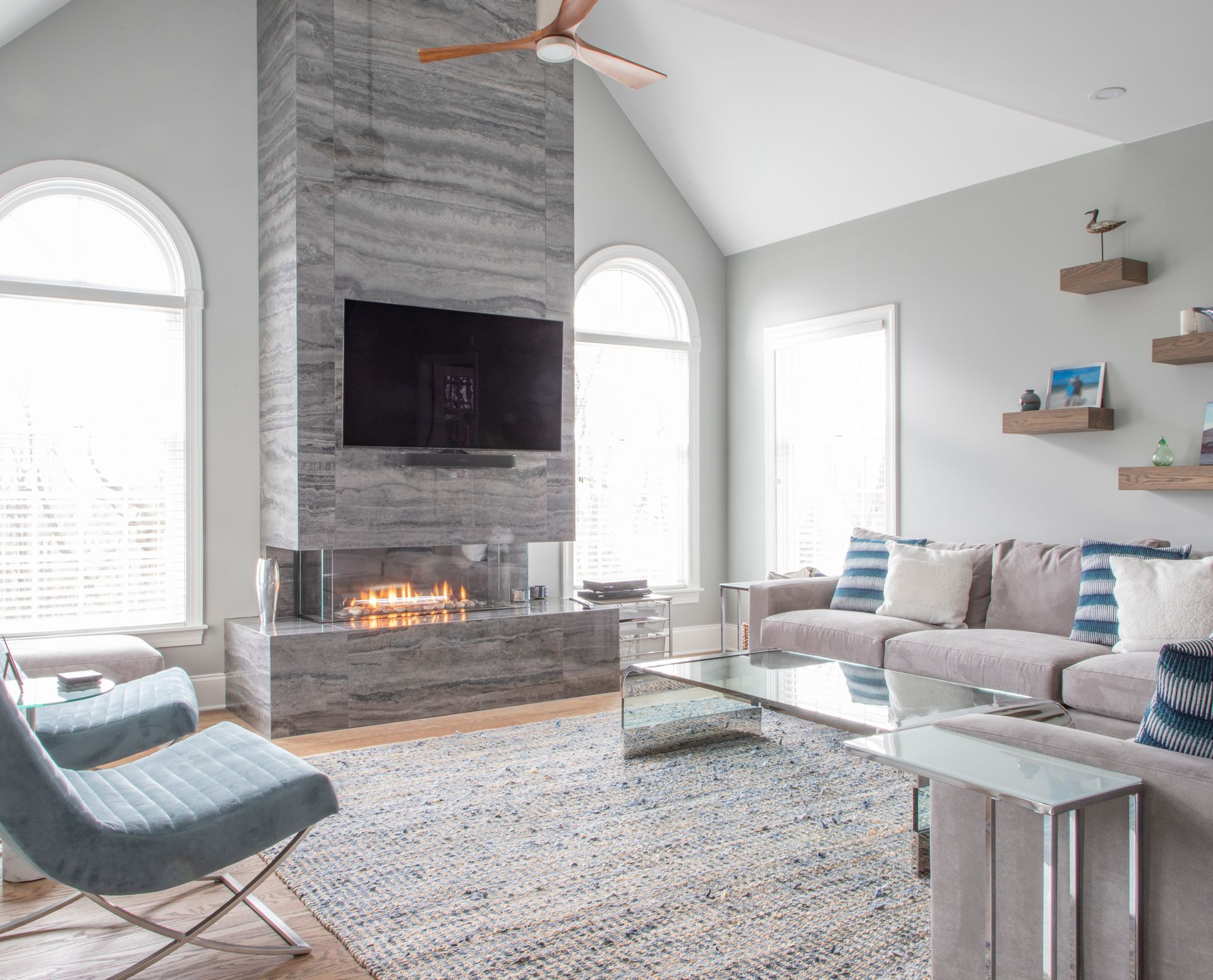
Finding the proper lighting for your kitchen can be tricky. Light blocking is one of the biggest issues with having multiple rooms and a lot of walls because it makes spaces feel smaller and darker.
Having fewer walls, especially in your kitchen area, allows natural and artificial light to flow freely and fill a larger space. You may consider adding more or larger windows and roof lights to help create a light and airy living space.
Many homeowners create patio spaces to entertain or relax during the warmer months. With an open floor plan, you can install bifold glass doors that open directly to your patio, extending your space even further.
Whether it’s a summer cookout or a warm spring day, you can open your doors to let the fresh air in. Doing so encourages your family and friends to spend some time outdoors while still participating in indoor activities.
Managing a small kitchen space can be difficult, but an open-concept layout makes it feel more spacious. Adding more square footage or making additions to your home can be expensive, but knocking down a few walls or doorways can give you more space without the high cost.
On top of that, many traditional homes are set up with multiple rooms, leaving homeowners with a lot of underused space. An open floor plan lets you take advantage of all the space your home offers. You don’t have to worry about rooms that only get attention once or twice a year.
You want your interior design style reflected in your home design, which is easier to do with more space. Furniture arrangement is important for defining space in your home, and open floor plans let you arrange your furniture however you want.
Plus, with more room for your furniture and accent pieces to breathe, you’ll avoid any issues with incorporating negative space into your home design.
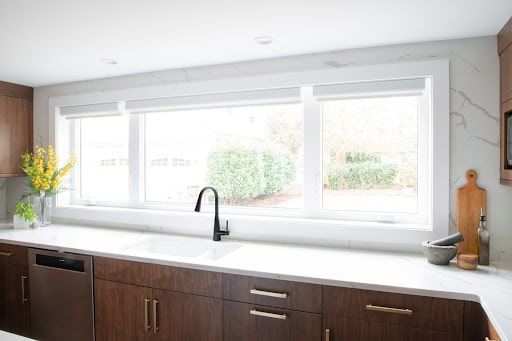
While there are many advantages to an open kitchen layout, it’s important to look at the full picture. Some homeowners find that the openness they love can also introduce a few challenges. These drawbacks don’t necessarily make it the wrong choice, but they are worth considering before starting a remodel.
With fewer walls and barriers, a home with an open layout is less broken up, and as a result, you can see the kitchen, living, and dining room areas all from the same place. This is one of the reasons it’s great for entertaining, but if you want some alone time, you may have some trouble.
In an open concept kitchen, sound moves freely from one area to another, so everyday noises can quickly overlap. The hum of appliances, conversations, and TV audio can all blend together, which may feel overwhelming at times.
Without walls to contain them, cooking smells can travel throughout your entire living space and linger longer than expected. While proper ventilation can help, it’s worth keeping in mind if you’re sensitive to odors.
When evaluating the pros and cons of an open kitchen plan, you must consider the costs of remodeling your kitchen. Larger, open spaces can be more difficult to heat efficiently since air is no longer contained within smaller rooms. As a result, you may notice changes in energy usage and an increase in your heat bill.
Creating an open layout often involves removing walls, and in some cases, those walls may be load-bearing. When that happens, you’ll need professional support to knock down any load-bearing walls and replace them with beams that displace the weight of your home, which can increase the overall cost of your project.
Deciding whether an open concept kitchen is right for you comes down to how you live in your space. If you enjoy entertaining, spending time with family, or having a more connected home environment, this layout can be a great fit. It offers flexibility and makes everyday activities feel more shared.
However, it’s also important to consider your budget and any structural limitations. And some homeowners find that a fully open layout doesn’t provide the privacy or separation they need. Consulting with an expert kitchen remodeling team can help you weigh the pros and cons of an open-concept kitchen.
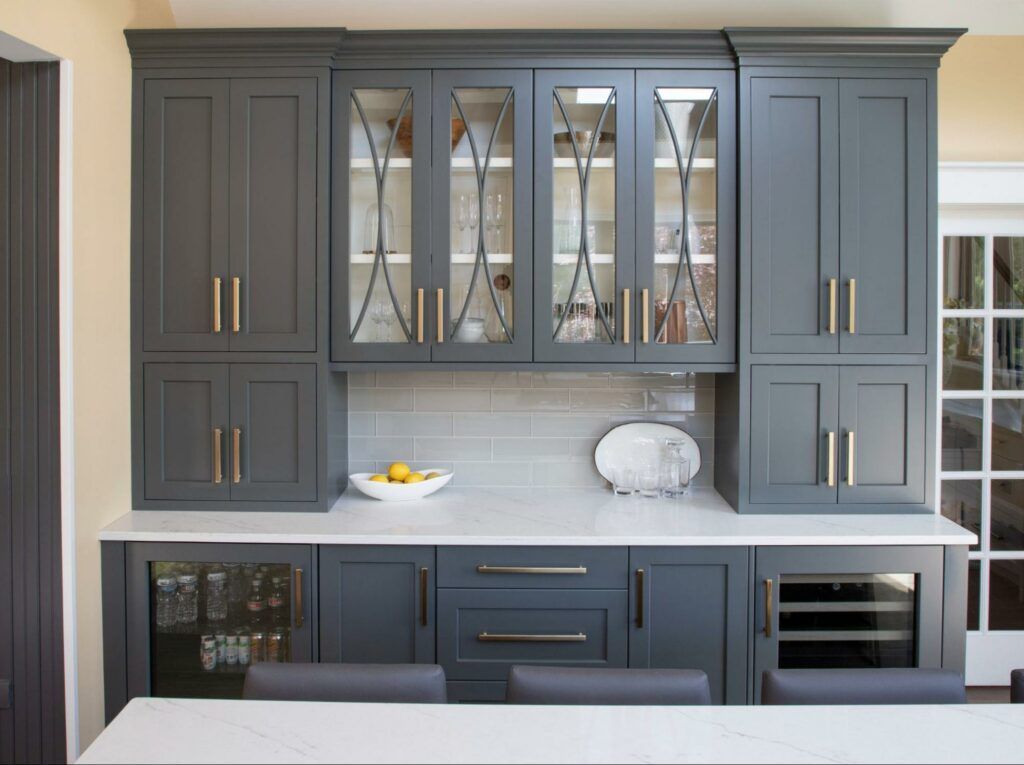
Middle-ground option: a semi-open kitchen can preserve more light and flow while still giving you some visual separation through an island, partial wall, cased opening, or built-in storage divider.
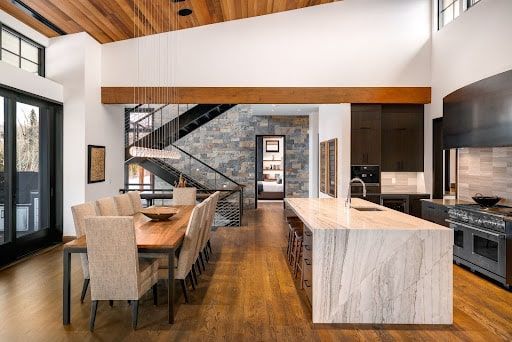
A professional kitchen design team can help you make informed decisions about layout, structure, and overall flow, ensuring your space functions as well as it looks. They can also identify potential challenges early on, such as load-bearing walls or traffic issues, to help you avoid costly mistakes down the line.
With expert guidance, you’ll get a design tailored to your home and your long-term needs. If you’re ready to explore your options, our team is here to help. View our
kitchen design gallery or
schedule a consultation with us today.
Our design-build team can help you decide whether an open concept layout makes sense for your home, your budget, and the way you live every day.
Explore design ideas or talk with our team about your remodeling goals.
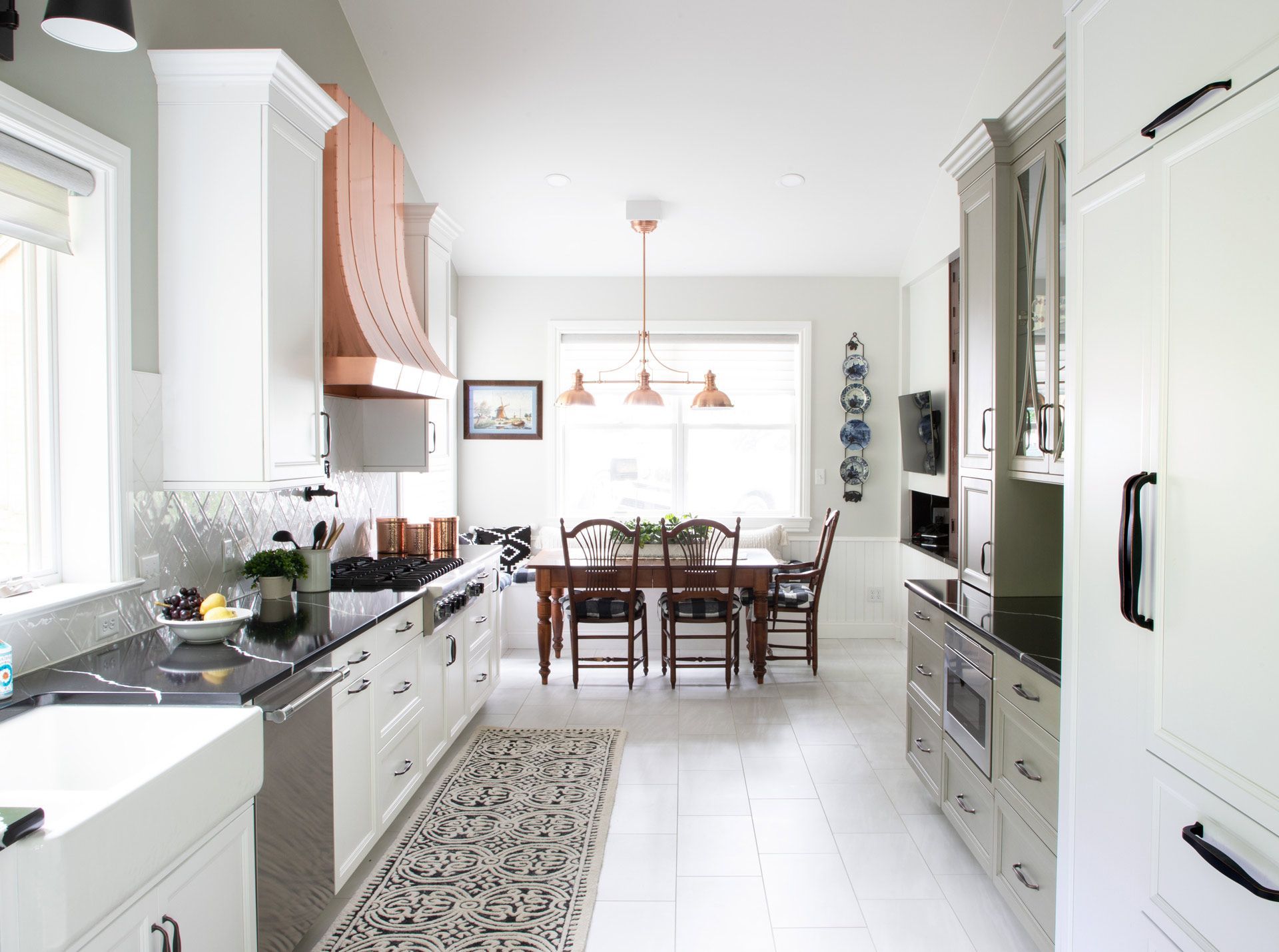
Uncover the possibilities we offer for you and your living space. We are eager to discuss your project vision and determine if we are the perfect match for bringing it to life!

Click or scan this QR code with your phone to leave us a Google review!
Website & Hosting by RedX Web Design. Built with SovoWeb CMS.