Start With Your Current Space
Identify clutter, awkward storage, and features worth keeping before you choose anything new.
4224 Oregon Pike
Brownstown, PA 17508
The best kitchen cabinets balance function, layout, style, finish, and daily ease of use. Start by fixing the pain points in your current kitchen, then choose cabinetry that fits how your family actually lives.
Identify clutter, awkward storage, and features worth keeping before you choose anything new.
Deep drawers, appliance storage, adjustable shelves, and organizers should solve real problems.
Plan around prep space, pantry storage, traffic flow, entertaining, and family routines.
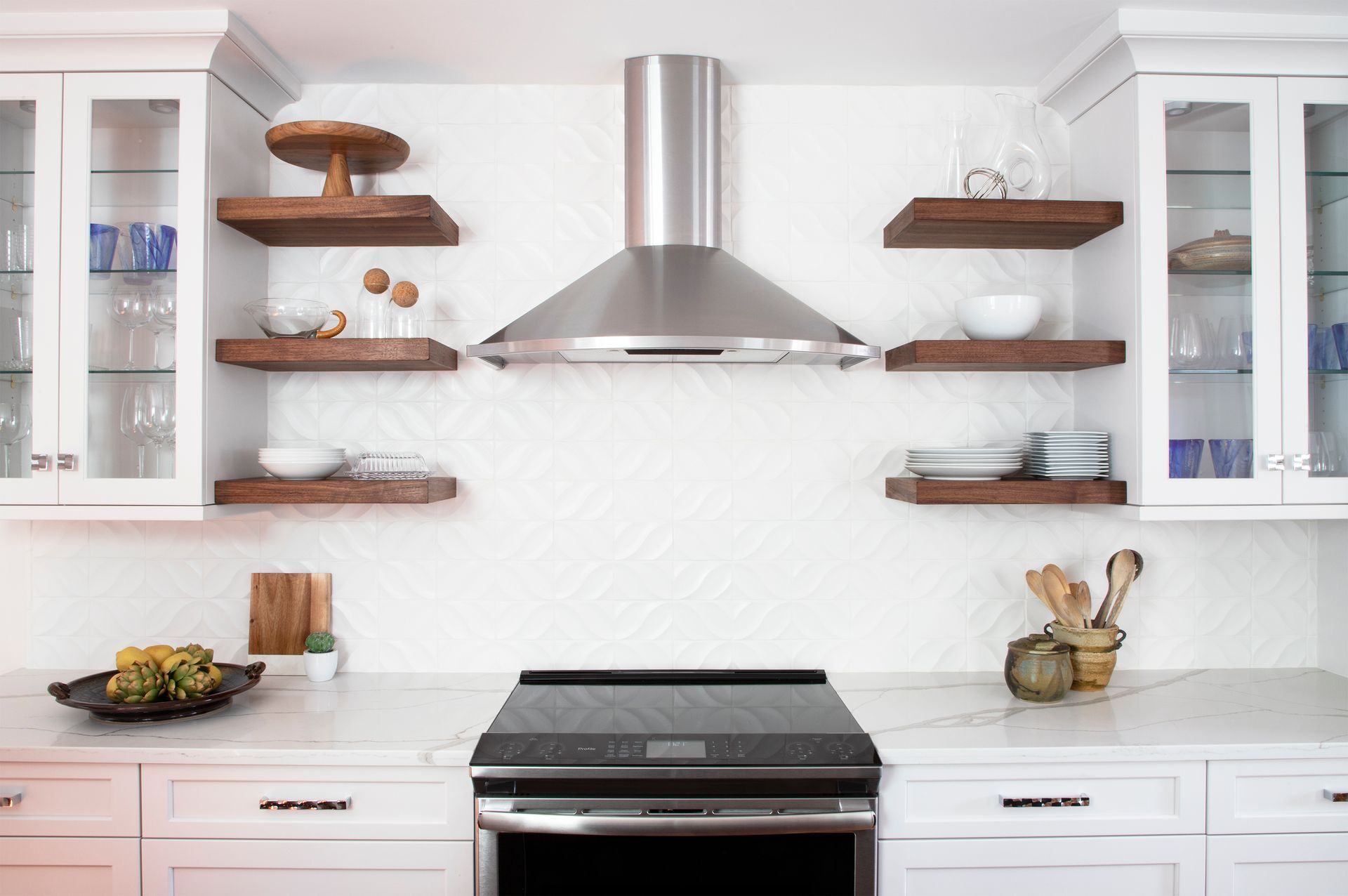
Door style, paint or stain, hardware, inserts, lighting, and soft-close features shape the final experience.
Planning a kitchen remodel is one of the most exciting (and, at times, overwhelming) home improvement projects you can take on. Your kitchen cabinets take up significant real estate in your kitchen, so getting them right means balancing style, function, and budget all at once. But there are so many decisions throughout the process that it's easy to second-guess your choices.
With years of
kitchen design and build experience, we created this comprehensive guide to walk you through our top tips on how to choose kitchen cabinets for your space.
The first step in learning how to choose kitchen cabinets is to gather information from your current kitchen. Take a look around and ask yourself:
Answering these questions honestly will save you from making the same mistakes twice. Knowing what is (and isn't) working will give you a great foundation for planning your new kitchen cabinet layout.
Once you know what’s working and what needs improvement in your kitchen, you can start exploring the wide variety of cabinet and drawer options on the market. If you're used to standard builder-grade cabinets, you'll be amazed by the possibilities. Some of our favorites include:
Pro tip:
Don't just shop for what looks good. Shop for what solves a problem in your current kitchen.
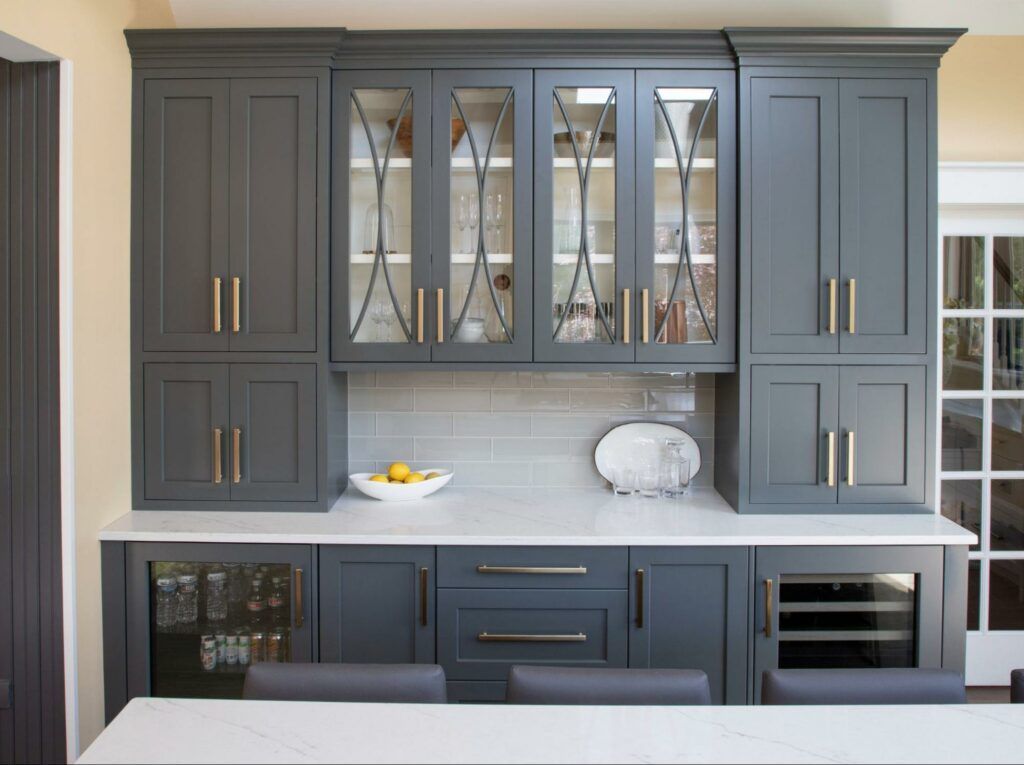
Now that you have a general idea of the number and type of cabinets you need, it's time to figure out how to make them work within your kitchen's layout. If you work with a professional kitchen designer, they can help you assess and maximize your kitchen space, all while considering your personal priorities like:
Skipping this step is one of the costliest mistakes homeowners make. Enlisting an expert will prevent you from spending thousands on a new kitchen only to realize that the oven opens into a major walkway, or the cabinet layout makes no practical sense. A good designer will make every inch count.
This section helps readers connect cabinet door styles with the look they want before they move into stain, paint, and hardware decisions.
Best for
Homes that want a classic look that still feels fresh and versatile.
Pairs well with
Full overlay fronts, painted finishes, and simple bar pulls or knobs.
Good fit if you want
A style that can lean traditional, transitional, or lightly contemporary.
Best for
Contemporary kitchens with clean lines and less visual detail.
Pairs well with
Full overlay fronts, integrated storage, and streamlined hardware choices.
Good fit if you want
A sleek look that keeps attention on materials, lighting, and layout.
Best for
Traditional kitchens that want more depth, detail, and formal character.
Pairs well with
Richer stains, decorative hardware, and a more classic cabinet profile.
Good fit if you want
A kitchen that feels warm, established, and visually layered.
Cabinetry is one of the most functional (and visible) additions to any kitchen. Since they dominate so much of your kitchen's visual landscape, you'll want to choose a style you genuinely love. Here's what to know about frames and doors.
Generally speaking, there are three kitchen cabinet frame styles to choose from:
One of the biggest decisions you'll make is which style of cabinet doors and drawer fronts to use. The good news is that you have hundreds of options. Some of our most popular recommendations include:
Think about the overall vibe you want your kitchen to have before committing to a door style. Your cabinets take up a great deal of the visual landscape of your kitchen, and the style you choose will make a big difference in its final appearance.
Once you've settled on a frame and door style, you have one major decision left: stain or paint? Here's what you need to know.
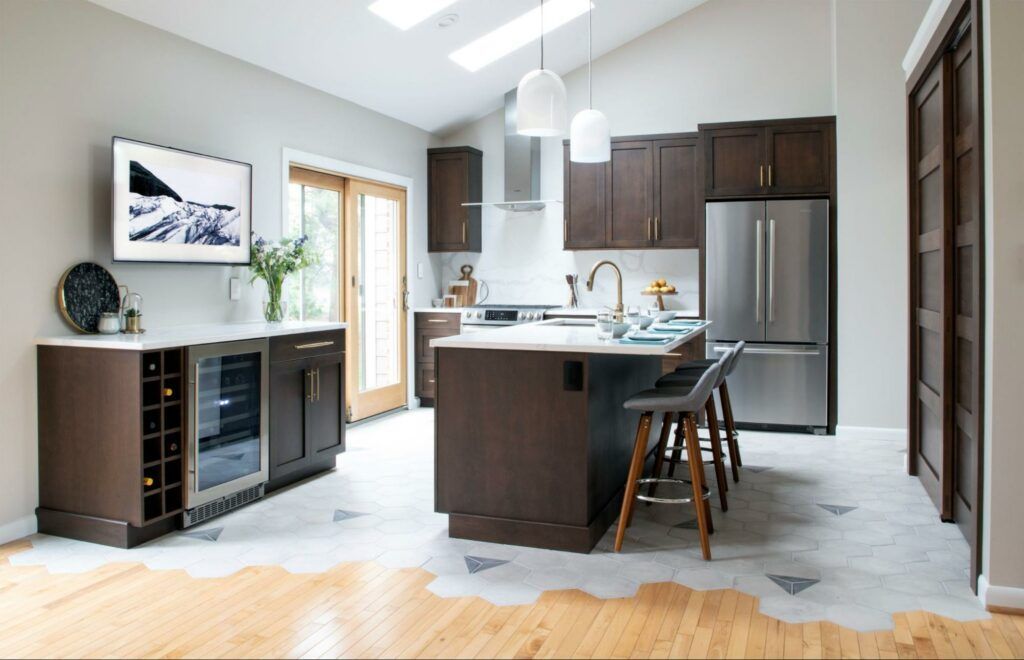
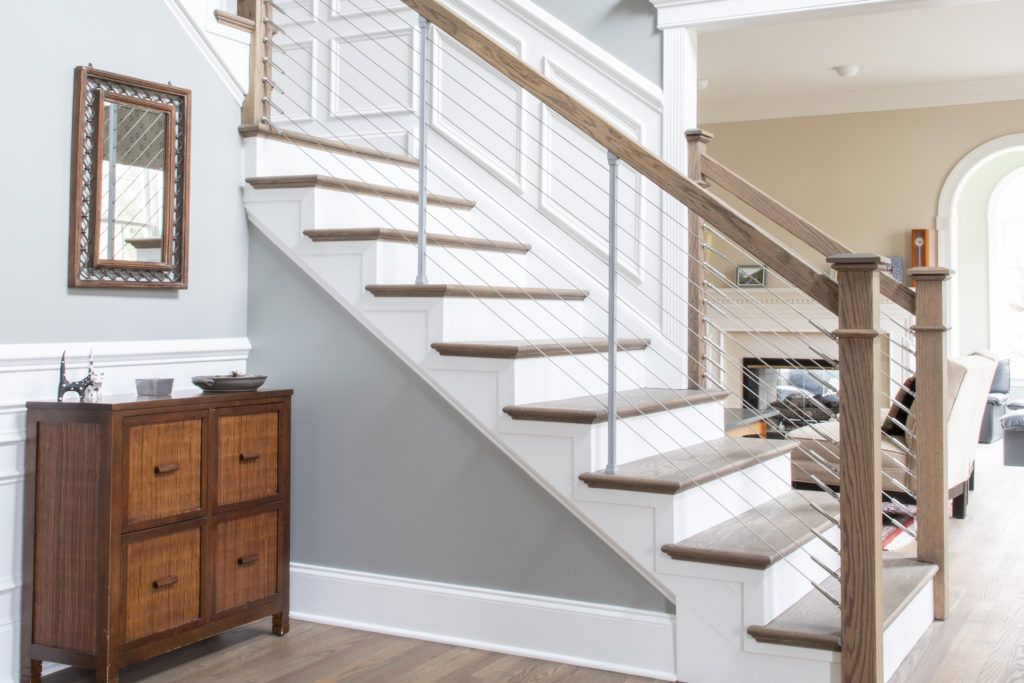
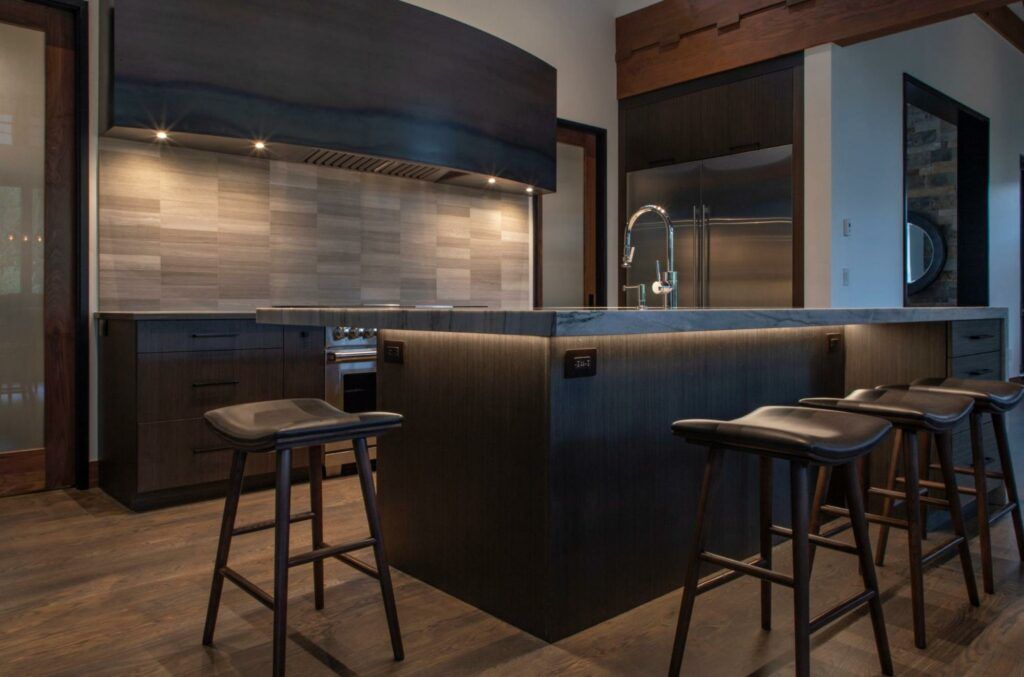
Stained wood cabinets are a timeless option that has stood the test of time. If you go this route, start by selecting a high-quality wood, since the stain will put it front and center. Oak, alder, maple, and cherry are all excellent choices that take stain beautifully.
From pale whitewashes to rich cherry lacquers, there are hundreds of choices when it comes to staining your cabinets. Choose a tone that reflects the mood you're going for, whether that's a relaxed, casual feel or something more elevated and formal.
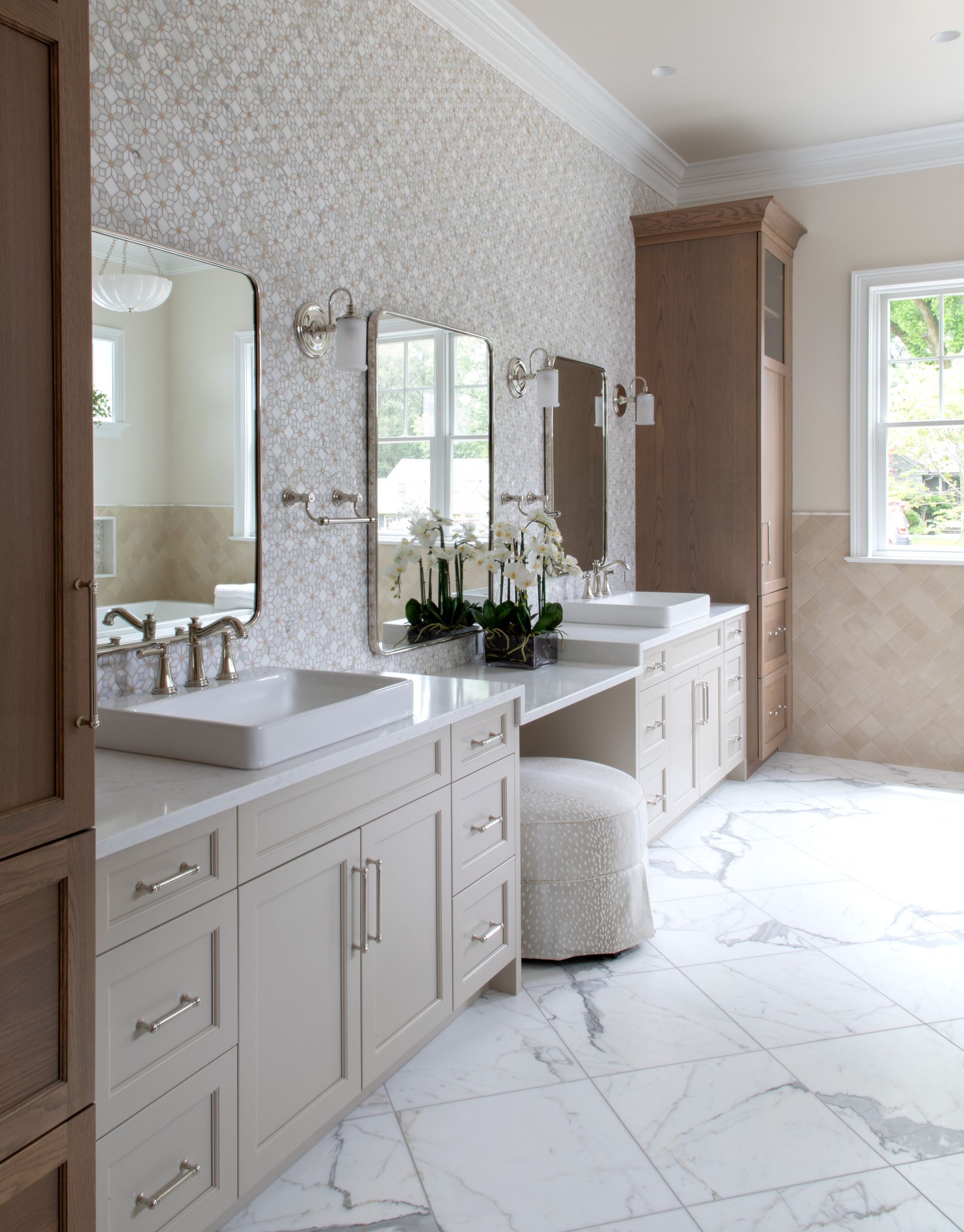
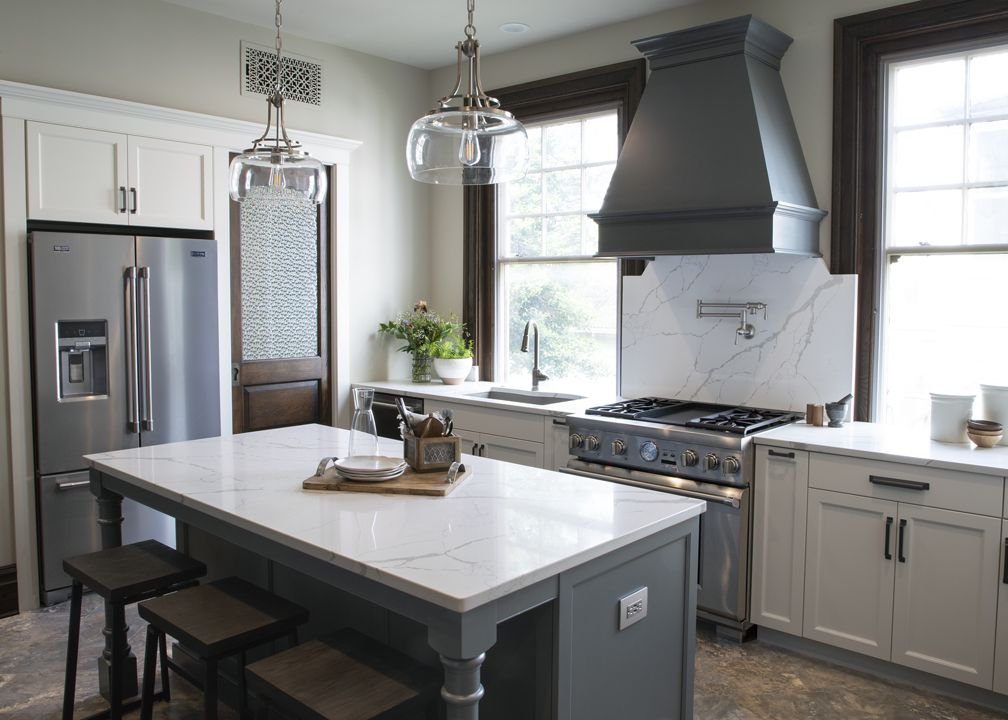
Painted cabinets offer a fresh, modern look that many families find stylish and practical. The color possibilities are virtually endless, from crisp white to deep navy, forest green, warm grey, or bold black. Painted cabinets can create a beautiful contrast with your walls, countertops, and flooring, and really anchor the look of your kitchen.
One underrated perk of painted cabinets is that you can use MDF or composite wood doors, which are often more affordable and durable. MDF won't warp or crack even after years of use, and it's more resistant to humidity changes than solid wood. This option is a smart choice for busy, high-traffic kitchens.
Don't underestimate the power of the right kitchen cabinet hardware. The perfect pulls, knobs, and hinges can elevate an ordinary kitchen into something that feels truly custom and high-end.
Your cabinet handles and drawer pulls can be equally functional and beautiful. With hundreds of options available (knobs, bar pulls, cup pulls, recessed pulls, and more), you're sure to find something that fits your style.
Our top advice is to choose a finish that ties into other elements in your kitchen, like your faucet or light fixtures. Whether you go with brass, brushed nickel, or matte black, coordinating your metals creates a cohesive look.
While you’ve likely thought about your cabinet handles, you may not have considered the kind of hinges and drawer slides you’d like. They can make a big difference in the day-to-day functionality of your cabinets.
We strongly recommend slow-close cabinet door hinges and drawer slides on every cabinet installation. They prevent slamming, protect your cabinet boxes from wear, and add a satisfying, high-quality feel every time you open a drawer.
Finally, don't forget the extras that can take your kitchen to the next level.
A beautiful kitchen is only as good as how well it works day-to-day. Smart inserts and organizers keep your drawers tidy and your workflow smooth. When choosing kitchen cabinets, consider adding:
Lighting in your kitchen is one of the most overlooked finishing touches in any kitchen remodel. A simple strip of LED lights under your upper cabinets can illuminate your countertops for late-night snack runs, double as a soft nightlight, and add a polished, layered look to your space.
Last but certainly not least is safety. Childproof cabinet locks keep cleaning products, medications, and other hazardous items out of reach for little ones and curious pets. It's a small addition that delivers serious peace of mind for your family.
Choosing kitchen cabinets is one of the most important decisions you'll make during a kitchen remodel, and as you can see, there's a lot that goes into it. Thankfully, you don't have to figure it all out on your own.
Working with an experienced kitchen designer means you get expert guidance at every step of the process. No guesswork or costly mistakes. Just a kitchen you'll love for years to come.
If you’re ready to get started, explore our
kitchen remodeling services or
schedule a consultation with us today.
From storage planning and cabinet layout to finishes, hardware, and final details, our design build team helps you create a kitchen that feels beautiful, functional, and built around real life.
These answers will help you compare cabinet layout, style, finish, storage, and hardware choices before starting a kitchen remodel.
Start by looking at how your current kitchen functions. Notice where storage feels crowded, what areas are hard to reach, and which parts of the room feel underused. A strong cabinet layout should improve prep space, traffic flow, pantry access, and everyday convenience instead of simply copying the old design.
In many kitchens, yes. Deep lower drawers often make pots, pans, dishes, and small appliances easier to reach than traditional base cabinets with doors. They can reduce bending and digging, which makes everyday storage more practical for busy households.
Shaker cabinets are one of the most timeless choices because they are clean, simple, and flexible across traditional, transitional, and many contemporary kitchens. That said, the best style depends on the overall look you want. Slab doors feel more modern, while raised panel doors lean more classic and detailed.
Choose stained cabinets if you want to highlight the natural character of the wood and create warmth. Choose painted cabinets if you want more color flexibility and a crisp, updated look. The right option depends on your style goals, the wood species, and how the cabinets will coordinate with countertops, flooring, and wall color.
Yes. Hardware affects both style and function. The right pulls, knobs, hinges, and drawer slides can make cabinets feel more custom, more comfortable to use, and more cohesive with the rest of the kitchen. Matching hardware finishes with other elements like faucets or lighting also helps the whole space feel intentional.
For most homeowners, absolutely. Soft-close hardware helps prevent slamming, protects cabinet boxes from extra wear, and gives the kitchen a smoother, more premium feel every day. It is one of the easiest upgrades to appreciate long after the remodel is finished.
Smart organizers, drawer inserts, pull-out storage, under-cabinet lighting, and safety features can make a big difference. These details improve visibility, reduce clutter, and help the kitchen support your daily routines instead of just looking polished in photos.
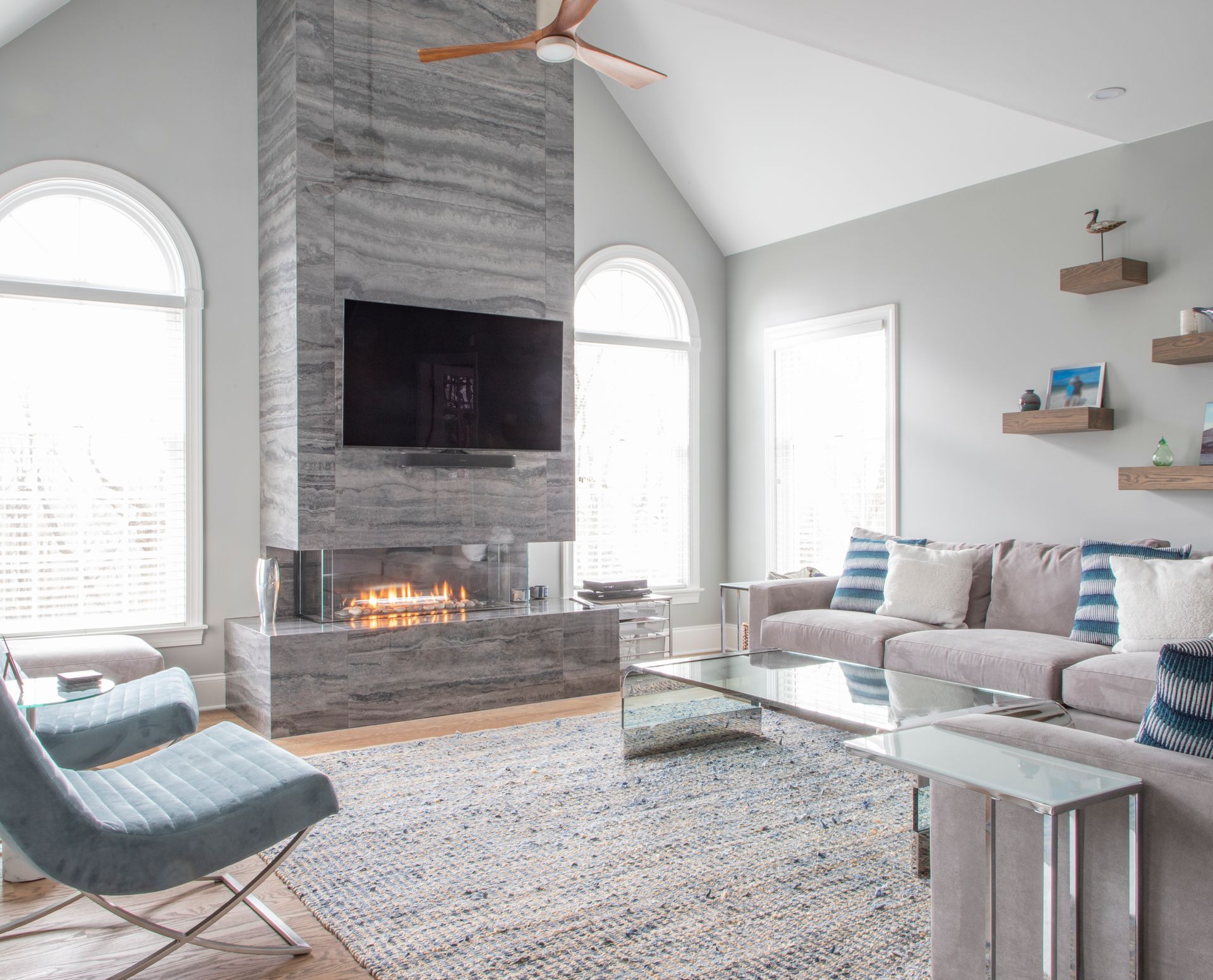
Uncover the possibilities we offer for you and your living space. We are eager to discuss your project vision and determine if we are the perfect match for bringing it to life!

Click or scan this QR code with your phone to leave us a Google review!
Website & Hosting by RedX Web Design. Built with SovoWeb CMS.