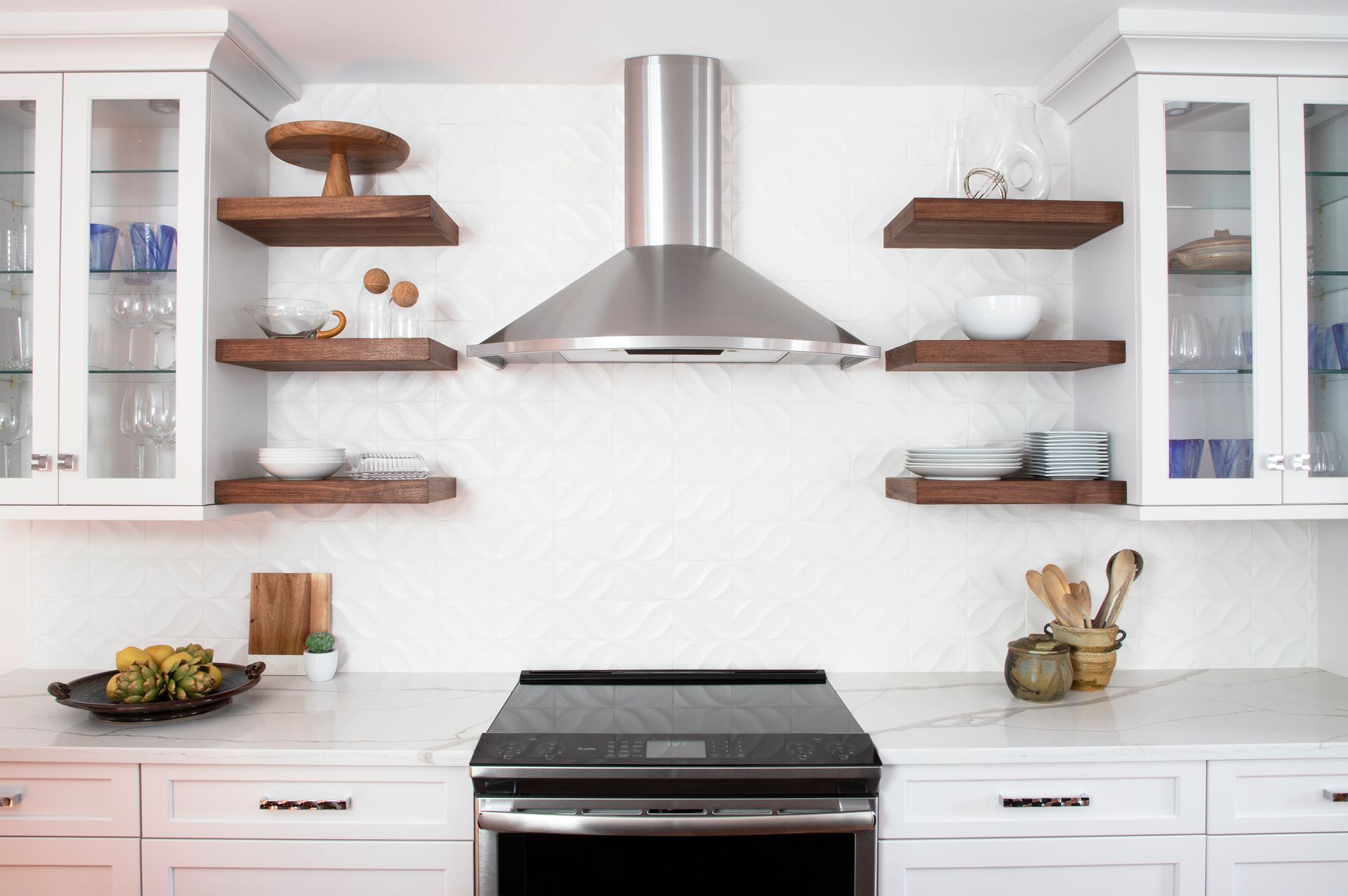
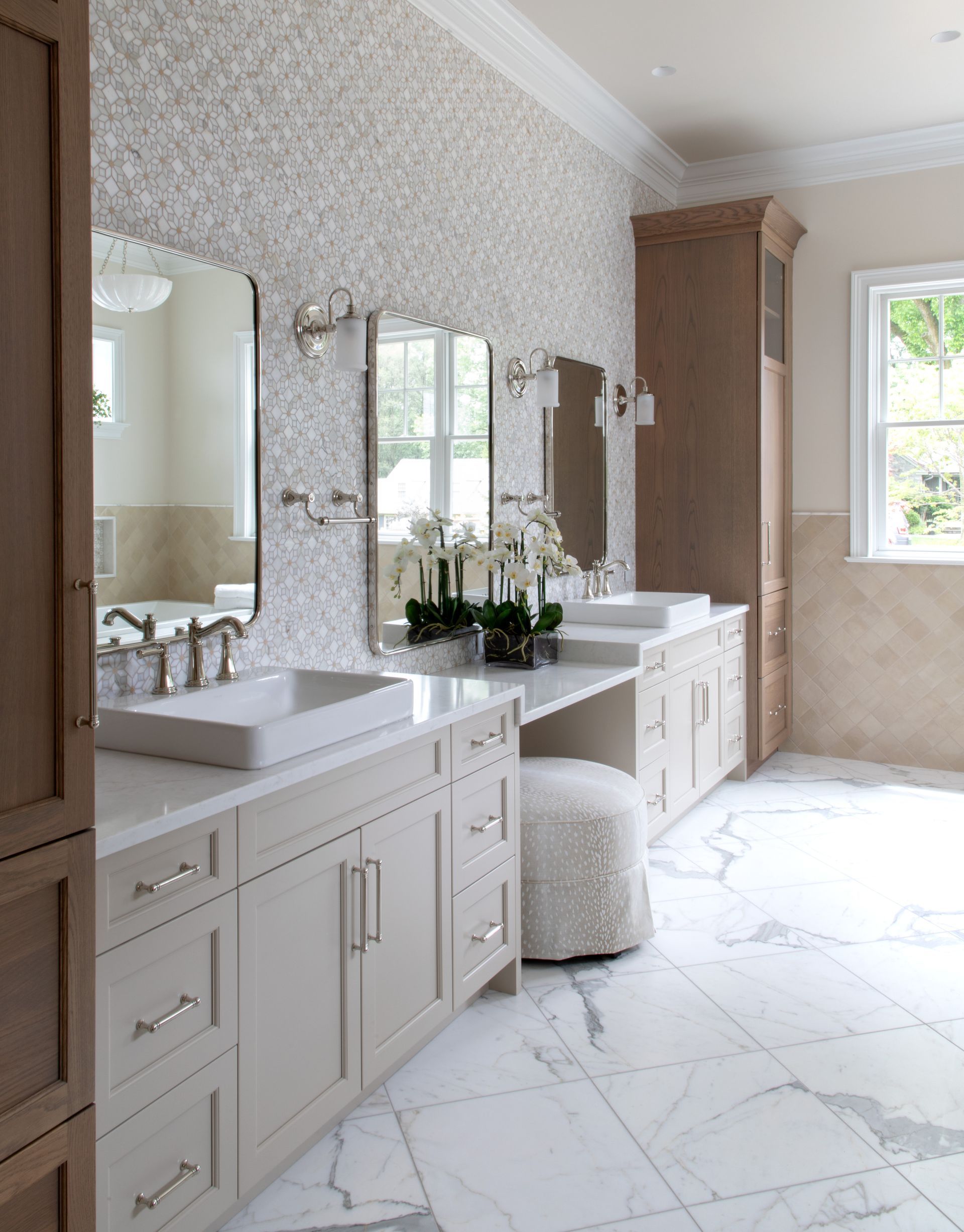
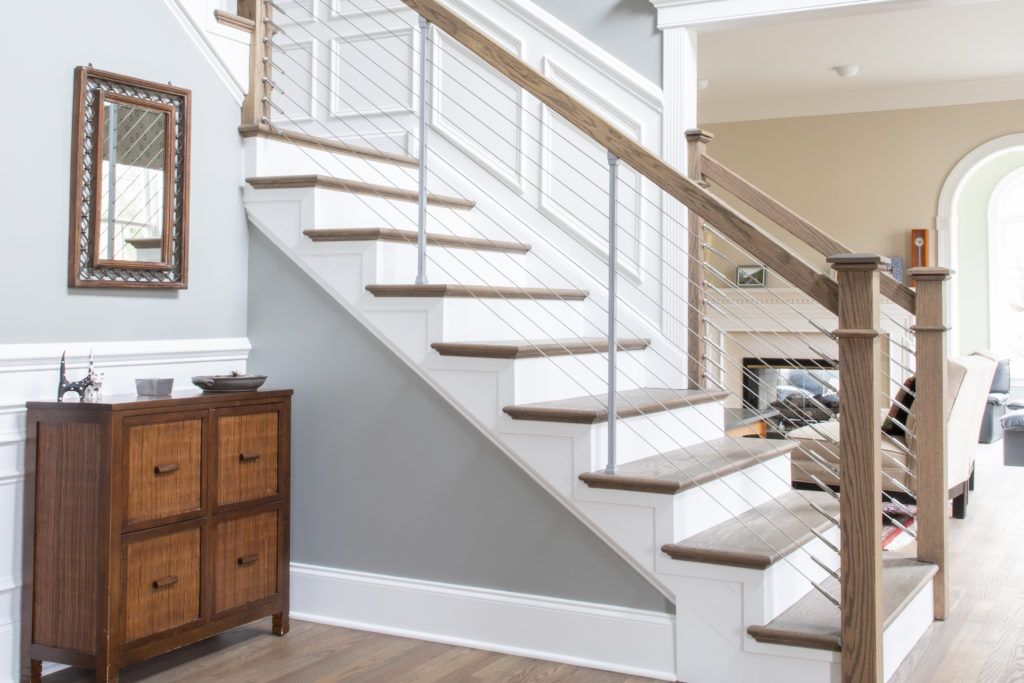
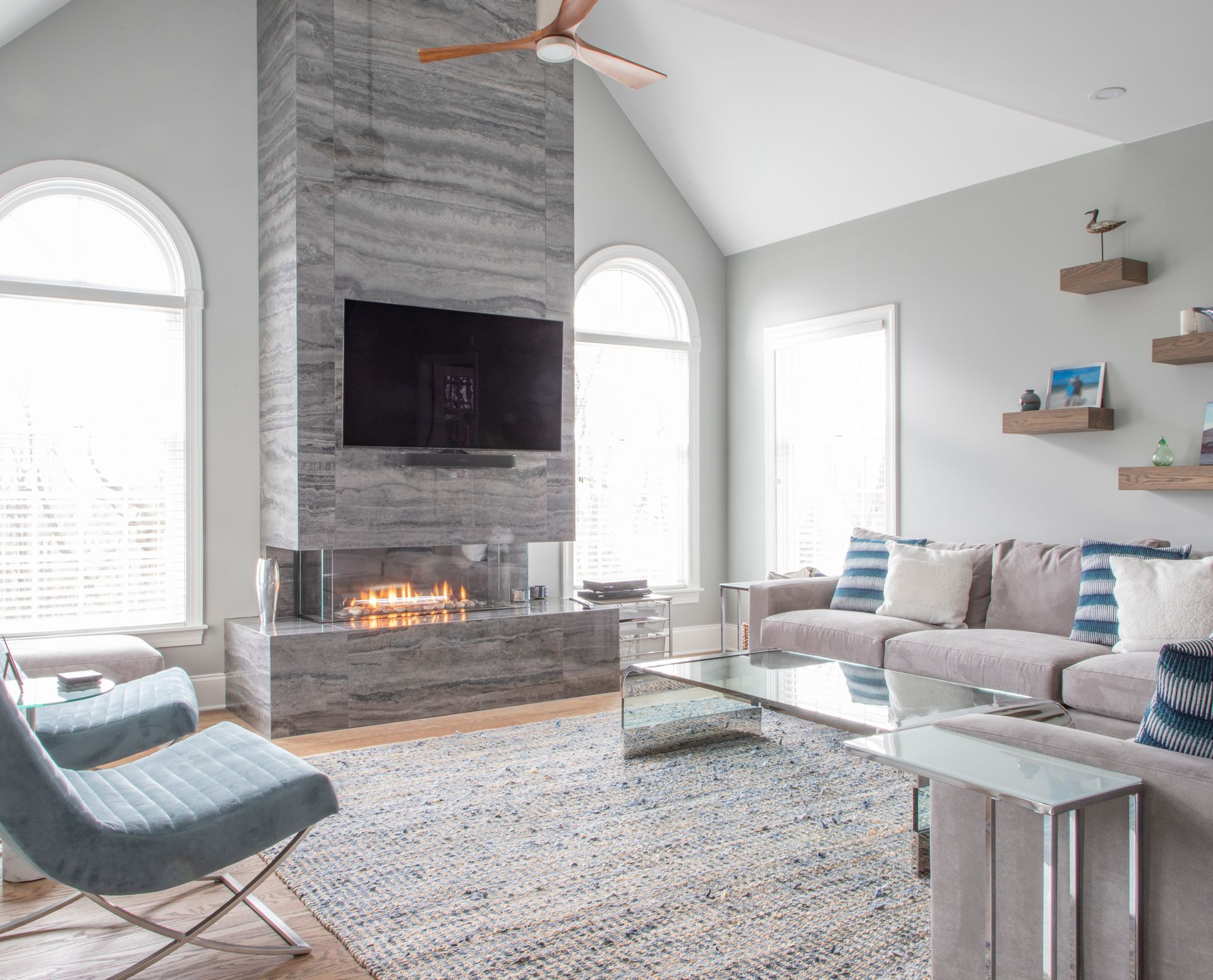
Define your style first
Traditional, transitional, modern, farmhouse, industrial, minimalist, and bohemian each create a different mood and starting point.
4224 Oregon Pike
Brownstown, PA 17508
This article will help you do three things: Identify a style direction, understand the seven most-used design principles, and see why professional interior design goes beyond decorating alone.
Traditional, transitional, modern, farmhouse, industrial, minimalist, and bohemian each create a different mood and starting point.
Balance, alignment, emphasis, proportion, rhythm, contrast, and negative space help a room feel intentional instead of random.
A professional design team helps connect layout, materials, scale, and daily function so the finished space works beautifully.
Main takeaway: You do not need to become a designer overnight. You just need a clearer framework for making smart renovation and remodeling decisions.
Creating a home you truly love starts with understanding the principles of interior design.
Working with a professional interior designer is the best way to bring your vision to life, but having a foundation of design knowledge allows you to work side-by-side with them and make more confident decisions along the way.
In this blog, we’ll review the principles of interior design so you're prepared for any home renovation or remodeling project.
Before applying the principles of design to your home, it’s important to understand your personal interior design style. Here are a few core styles you can explore as a foundation for your home renovation or remodeling project:
Exploring these styles can help you identify what resonates with you. It’s important to define your tastes and preferences before
starting a home remodeling project. That way, you can incorporate your unique style while also creating a functional and accessible space.
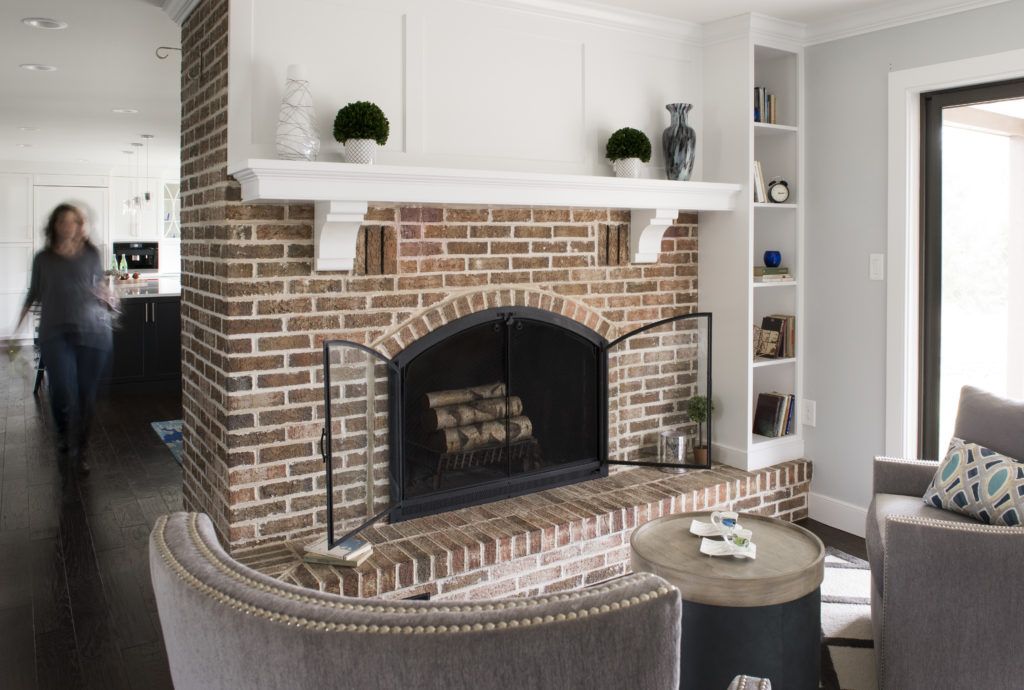
There are many variations of the principles of interior design. Below, we’ve outlined the seven most common fundamentals to consider when preparing for your design project. Each principle plays a key role in curating a well-rounded space.
When designing the interior of your home, you want to make sure you’re evenly distributing elements to create visual balance. You can achieve this by introducing different forms, colors, and textures. Consider visual weight and symmetry when striving to create balance.
Visual weight refers to the imaginary weight your eyes give to a piece of furniture, detail, or object in your space. For example, you don’t want to have a room full of dark colors, big furniture pieces, or lots of wood and other heavy materials. You should also create contrast and avoid using the same color for everything.
Create symmetry in your design by using the mirror effect, which means you’re not using the same items, but you’re incorporating similar shapes, sizes, colors, and textures throughout your space. Determining the center point and splitting the room in half can help when arranging objects on either side of a focal point.
There are different ways to create balance while putting these techniques into practice.
For example:
Remember, balance works with all types of styles. Whether you’re interested in minimalistic and modern aesthetics, or you prefer richly decorated interiors, think of balance as a way to create the base of your interior design plan.
Alignment creates a sense of order by visually connecting elements throughout a room’s central line. It’s what makes a space feel clean, organized, and intentional. Rather than placing items randomly, alignment encourages you to design on a grid of horizontal and vertical lines.
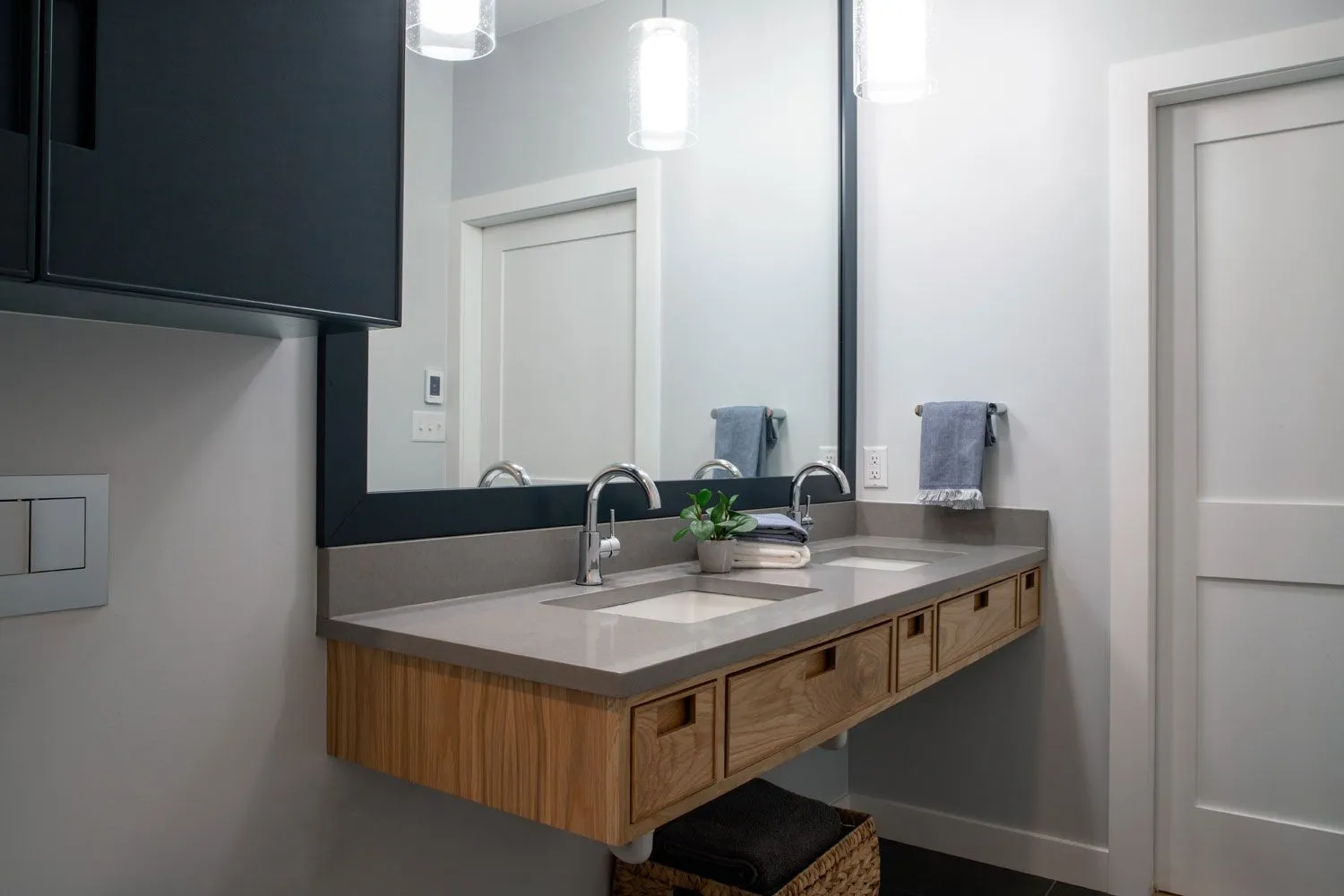
Paying attention to the alignment of elements such as doors, windows, and cabinetry will create a visual connection and a sharper, more orderly design. You should also consider other elements such as lighting. Try to hang them at the same level and match them up with one of the lines in your grid.
Every well-designed room needs a focal point to draw attention and anchor the rest of the design. Without it, a space can feel scattered or unfocused.
You can create a focal point through three main elements:
No matter how or what you choose to be your focal point, remember to arrange the other elements of your room in a way that will lead the viewer to the focal point. Providing an invisible path or direction will ensure your space gets the attention it deserves.
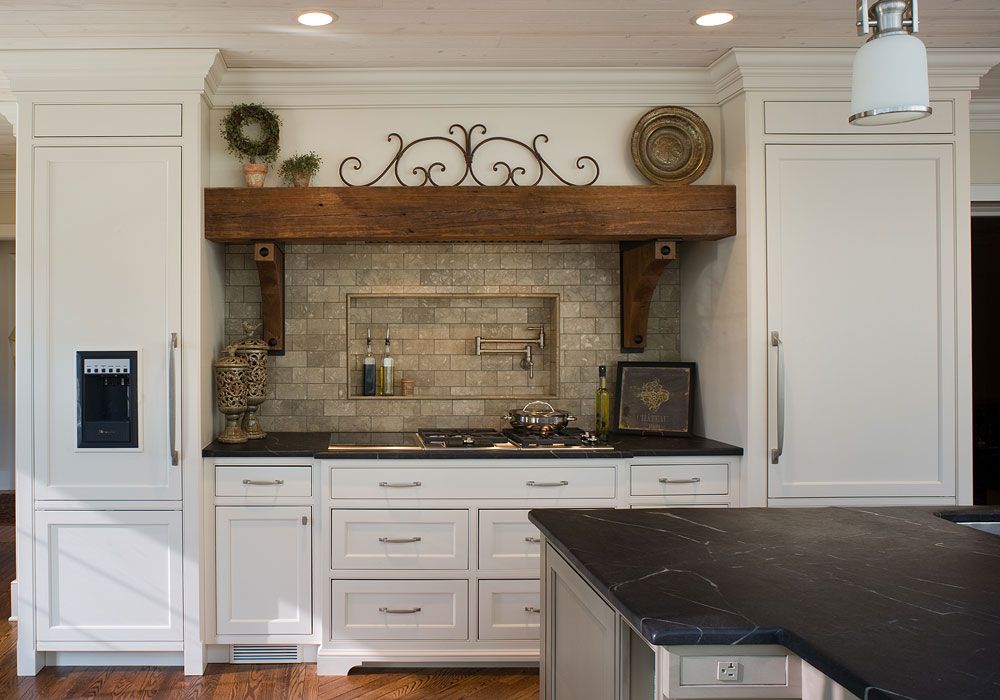
Proportion and scale refer to how the size of objects relates to each other and to the room as a whole. Getting this right is essential for both comfort and usability. A large sectional in a small living room, for example, can feel overwhelming, while undersized furniture in a large space may feel disconnected.
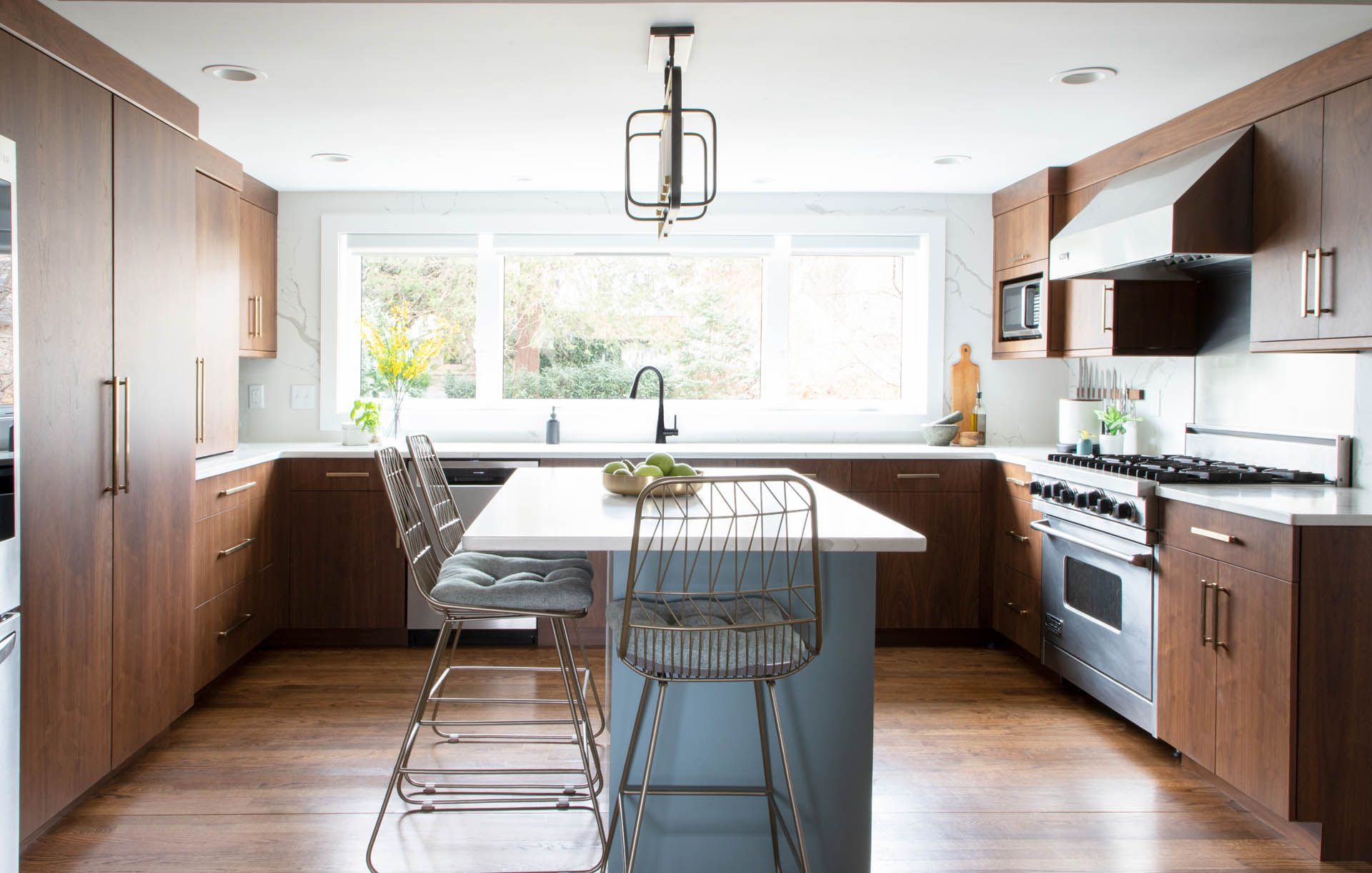
Choosing the right cabinetry, islands, and walkways will keep the design cohesive and more aesthetically pleasing. There are different guidelines you can follow when deciding the appropriate size for your decor.
For example, the standard kitchen island should be a minimum of 4’ by 2’ wide. There should also be an average of 36”- 42” of clearance space all around, and the height should be at least 36”. These dimensions can vary depending on the size and function of your kitchen, but they provide a good foundation.
Repetition and movement are the principles of rhythm. Many interior designers believe these principles are the key to a well-executed layout. You can achieve this by using similar patterns, colors, textures, lines, and forms of shapes. The goal of repetition and movement is to keep the viewers’ eyes moving across the room.
Repetition gives the room a clear sense of cohesiveness and stability. An example of repetition and movement in interior design is arranging framed prints or lights along your hallway to promote continuous eye movement.
You can also create visual interest with repetitive patterns or by incorporating the same shapes and colors at varying intervals. Bringing repetition and movement into your design will give it hints of sophistication and make it feel complete.
Contrast brings energy into a space by pairing elements that are different from one another. Without it, a room can feel flat or one-dimensional. When used well, contrast highlights key features and adds depth to your design.
Some simple ways to introduce contrast include:
These differences create visual interest while helping define specific areas of a room. A balanced use of contrast keeps the design dynamic without overwhelming the space.
Negative space is the area around and between objects. It may seem like empty space, but it plays an important role in how a room feels. Without it, even the most well-designed space can feel cluttered.
Leaving room between furniture pieces or keeping certain surfaces clear allows the eye to rest. It also helps highlight the elements you want to stand out.
The goal of negative space is to be intentional with it. You don’t want to leave empty spaces where you feel something should be. Rather, you only want to incorporate negative space in areas that make sense and go well with your design.
This gives you practical numbers and design cues to remember while thinking about scale, circulation, and room comfort.
A helpful baseline for a standard kitchen island before adjusting for the room’s actual size and function.
Keeping comfortable walking space around key work areas improves flow, safety, and day-to-day usability.
A room feels more intentional when one main feature leads the eye and the surrounding elements support it.
Not every corner needs to be filled. Leaving room around furniture and decor keeps the layout calm and clear.
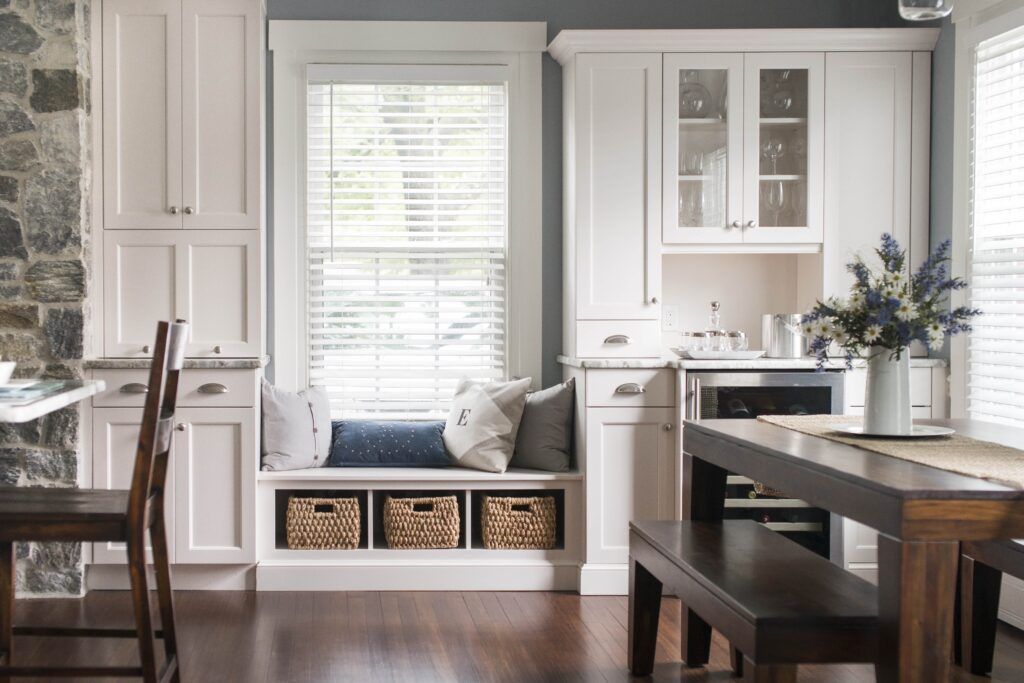
Interior design and interior decorating are often used interchangeably, but there are key differences between the two.
Interior designers apply creative and technical skills within an area to make it attractive and functional. They use principles of interior design to satisfy and improve the experiences of people who inhabit the space.
While understanding the principles of interior design is a great starting point, working with a professional can take your space to the next level. An experienced design team helps you avoid costly mistakes related to layout, structure, and material selection. They also bring a fresh perspective, offering personalized solutions that reflect your style while improving functionality.
Don’t be afraid to give your input and tell your designer what you like. Doing so ensures the process goes smoothly and leaves you satisfied with your home. From initial concept to final build, a smooth design-build process keeps everything aligned to your vision.
If you’re ready to get started, explore our
kitchen remodeling services or
schedule a consultation with us today.
A professional interior design team can help you turn inspiration into a space that feels cohesive, functional, and truly personal to your home.
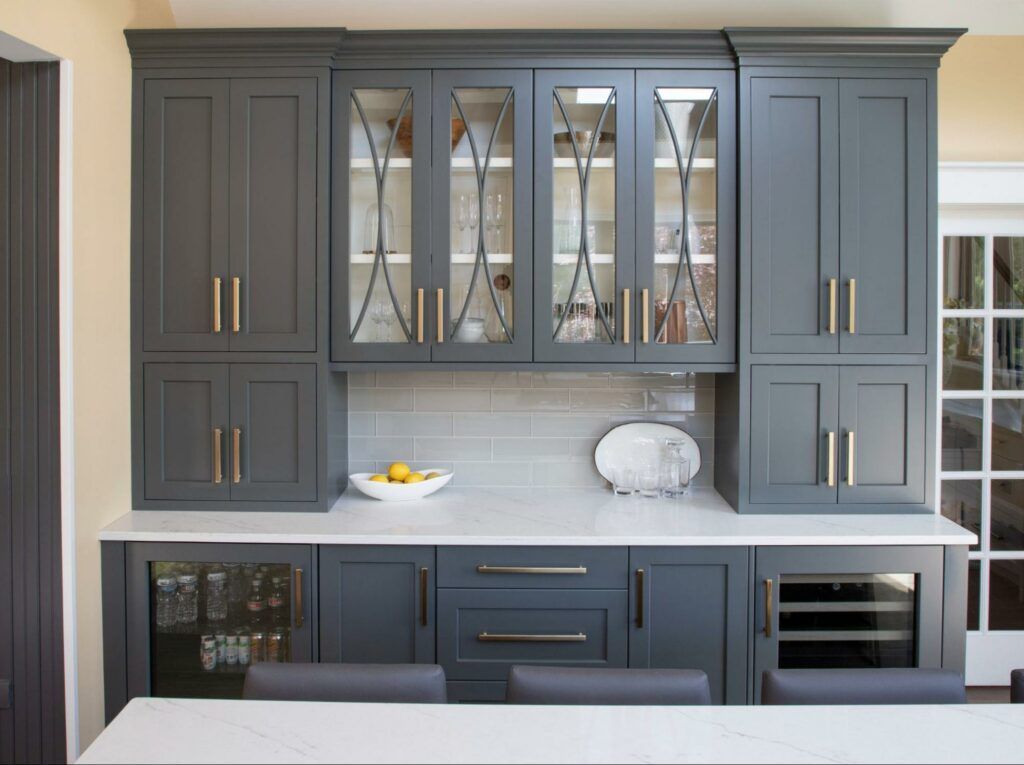
Uncover the possibilities we offer for you and your living space. We are eager to discuss your project vision and determine if we are the perfect match for bringing it to life!

Click or scan this QR code with your phone to leave us a Google review!
Website & Hosting by RedX Web Design. Built with SovoWeb CMS.