EVERY DETAIL COUNTS
Bathroom Remodeling in Lancaster PA
Lancaster's Premier Bathroom Remodeling Contractor Since 2009
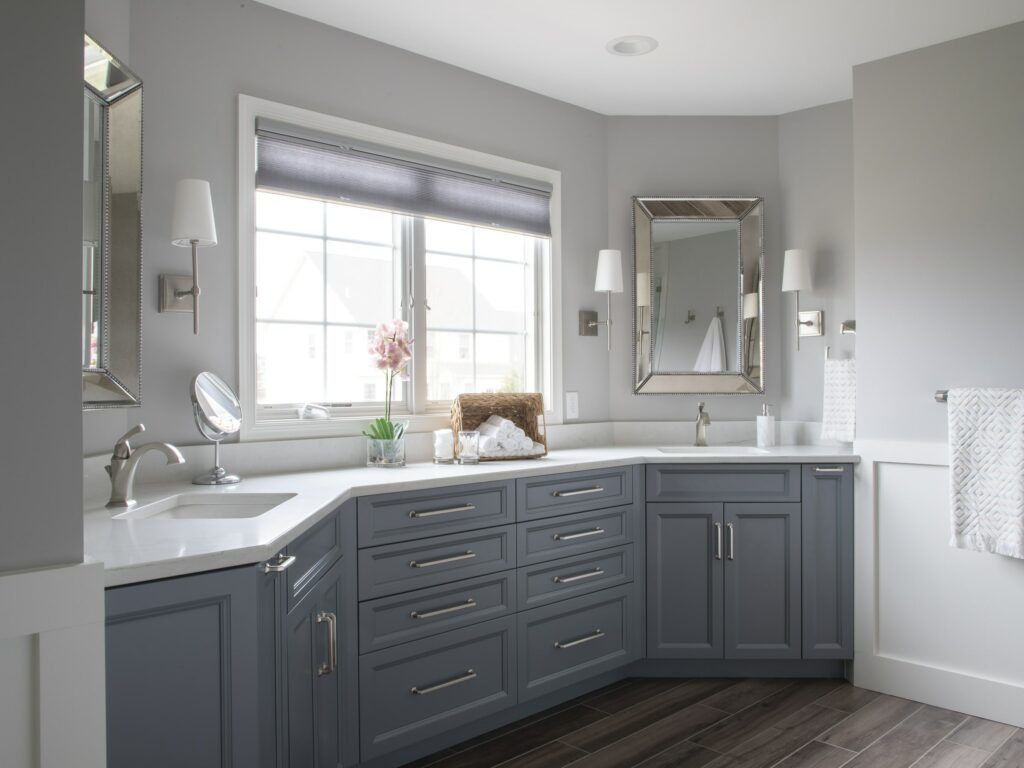
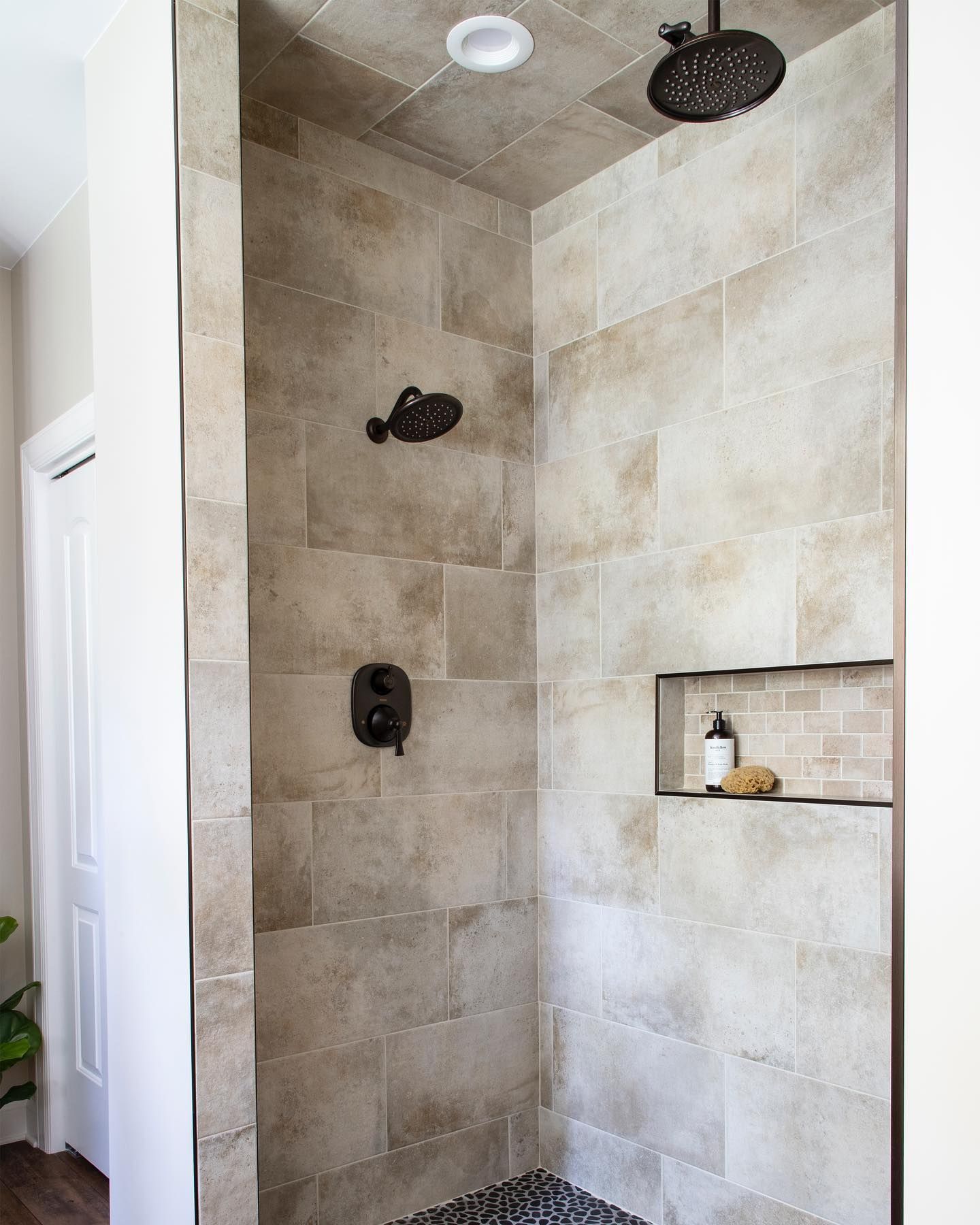
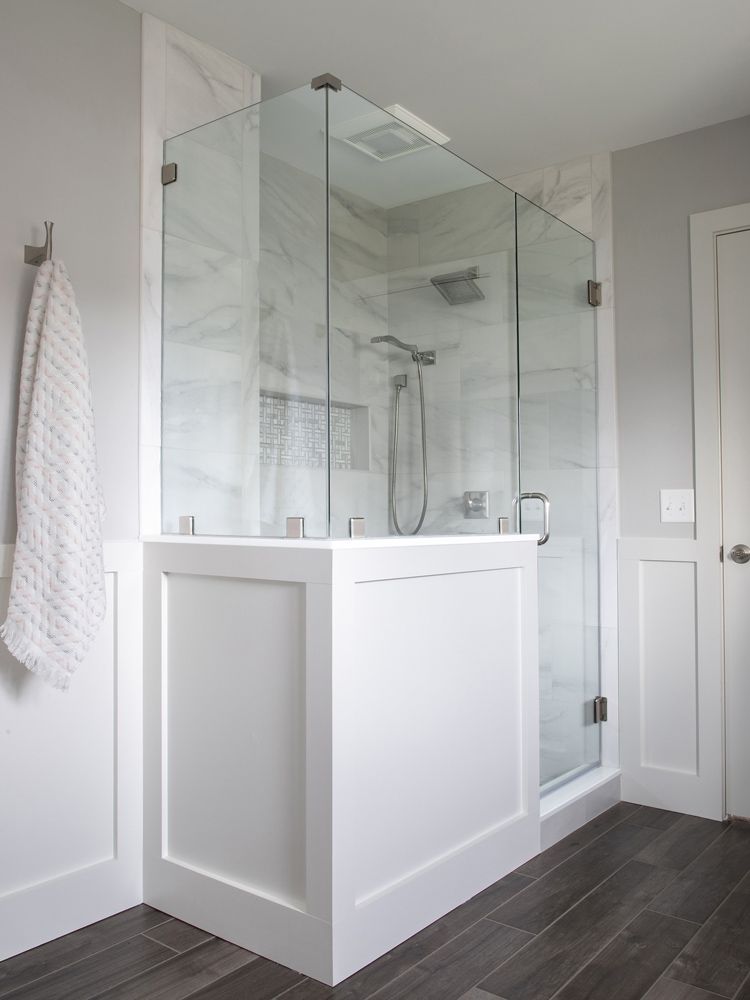
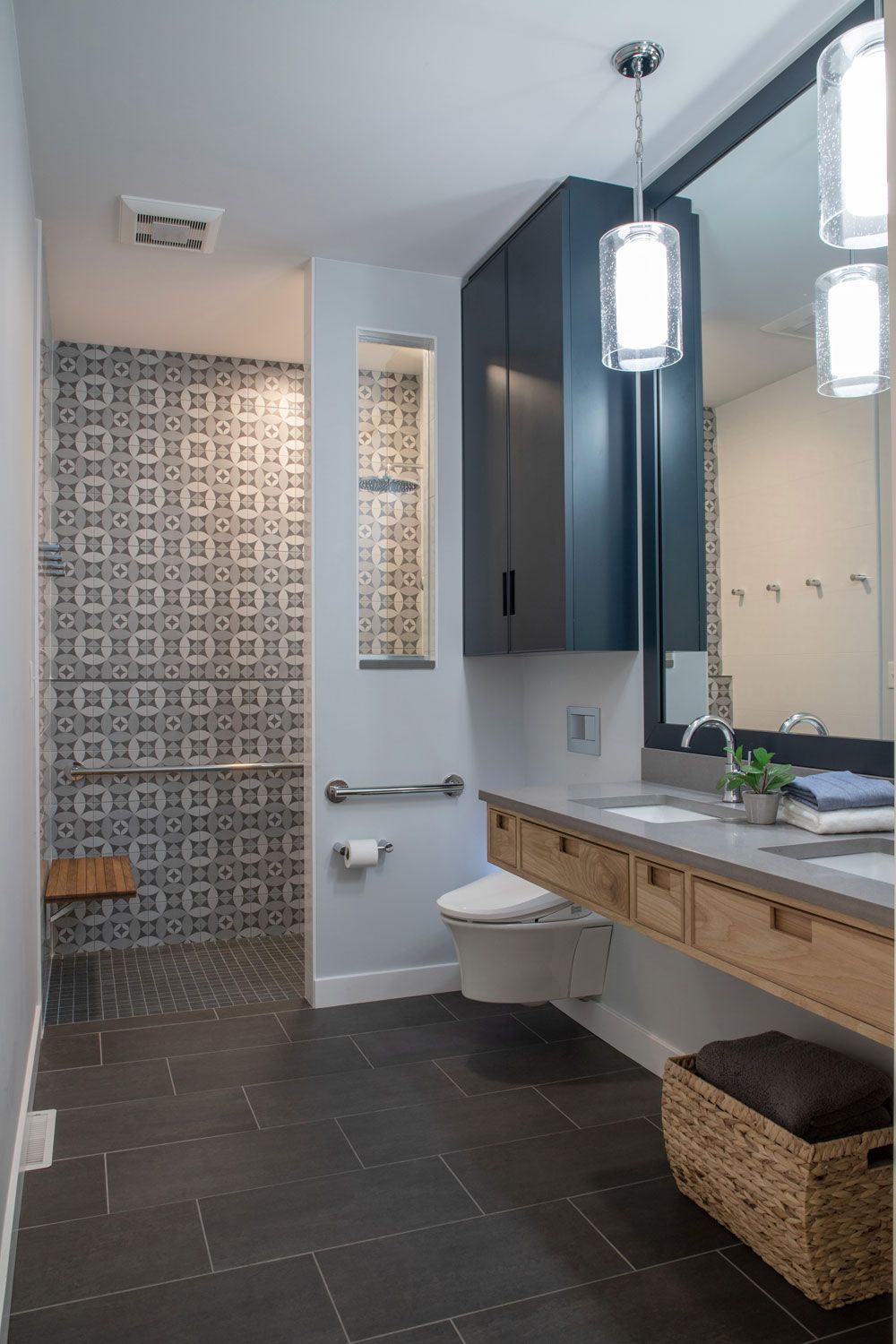
Your home is your haven, and every room should reflect your style and meet your needs – including your bathroom. Our bathroom remodeling services are designed to unlock the hidden potential in your home, creating a space that’s not only functional but also beautiful and relaxing.
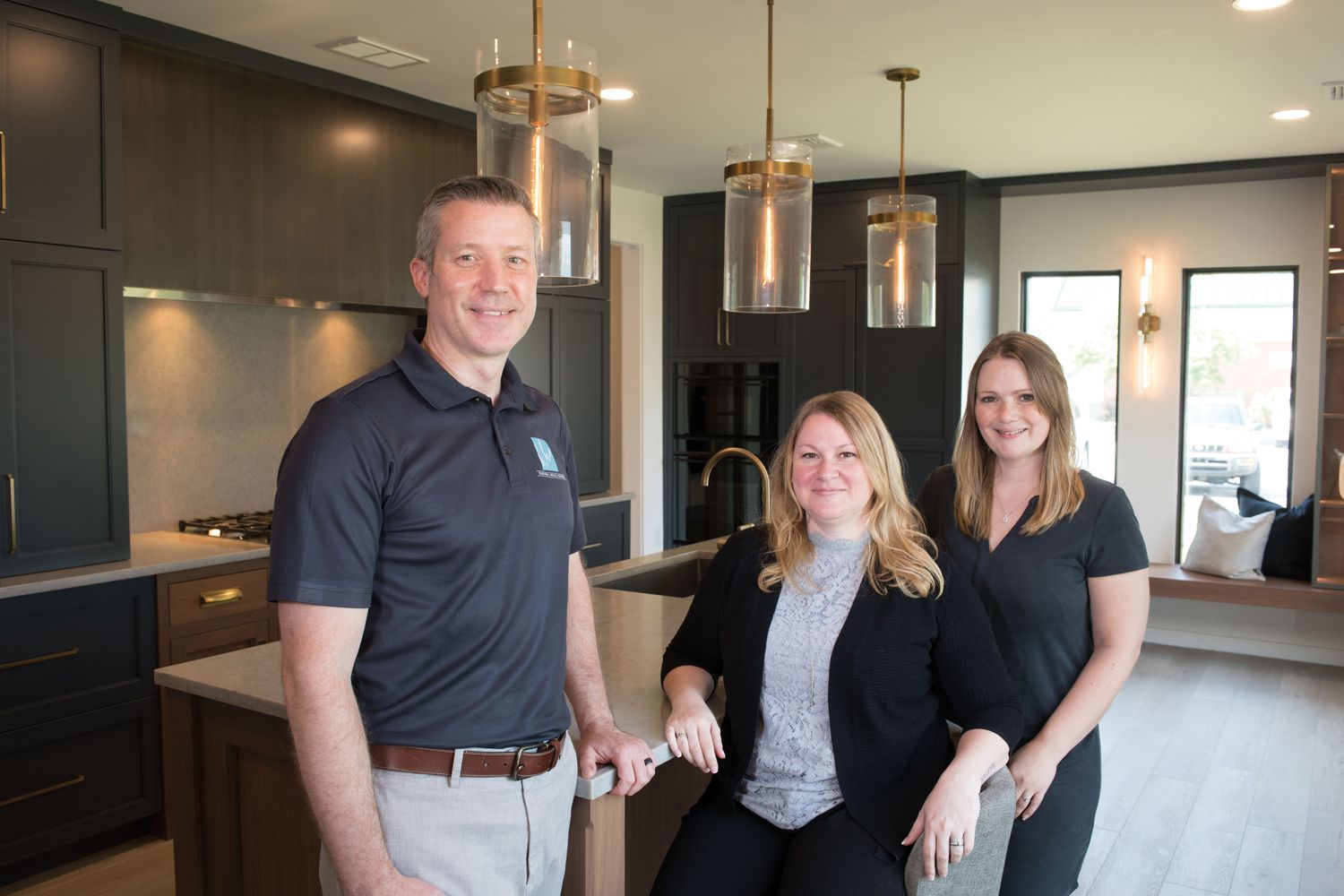
Just like any home remodeling project, a bathroom has many moving parts! At KBE Design Build, our team of professionals are ready to
turn your ideas into reality. From start to finish, we do it with the upmost care, superior craftsmanship, and outstanding attention to detail. Explore the possibilities and let us help you take your home to the next level with a stunning bathroom makeover!
Why Choose KBE Design Build for Your Bathroom Remodel?
Expertise in Custom Bathroom Designs
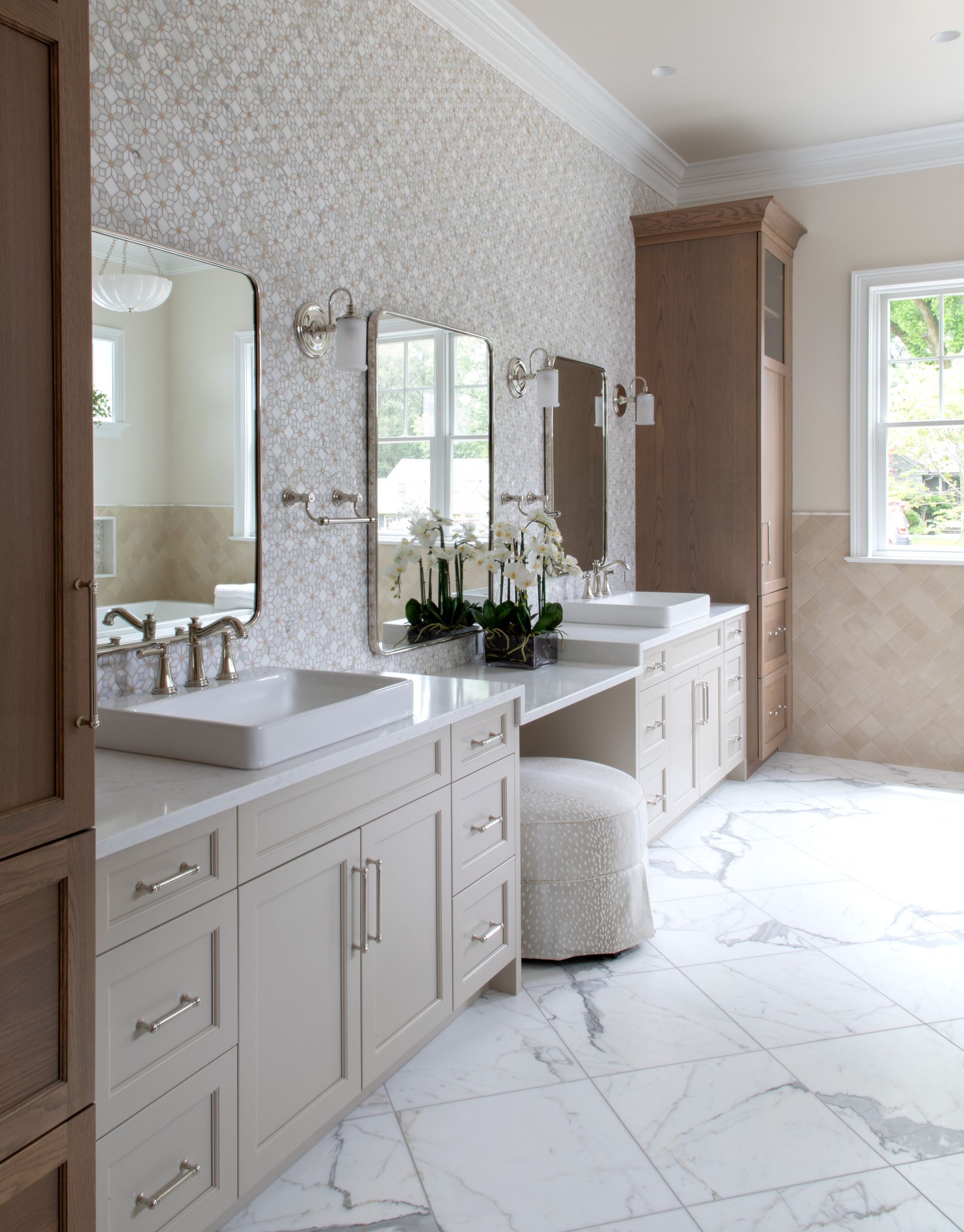
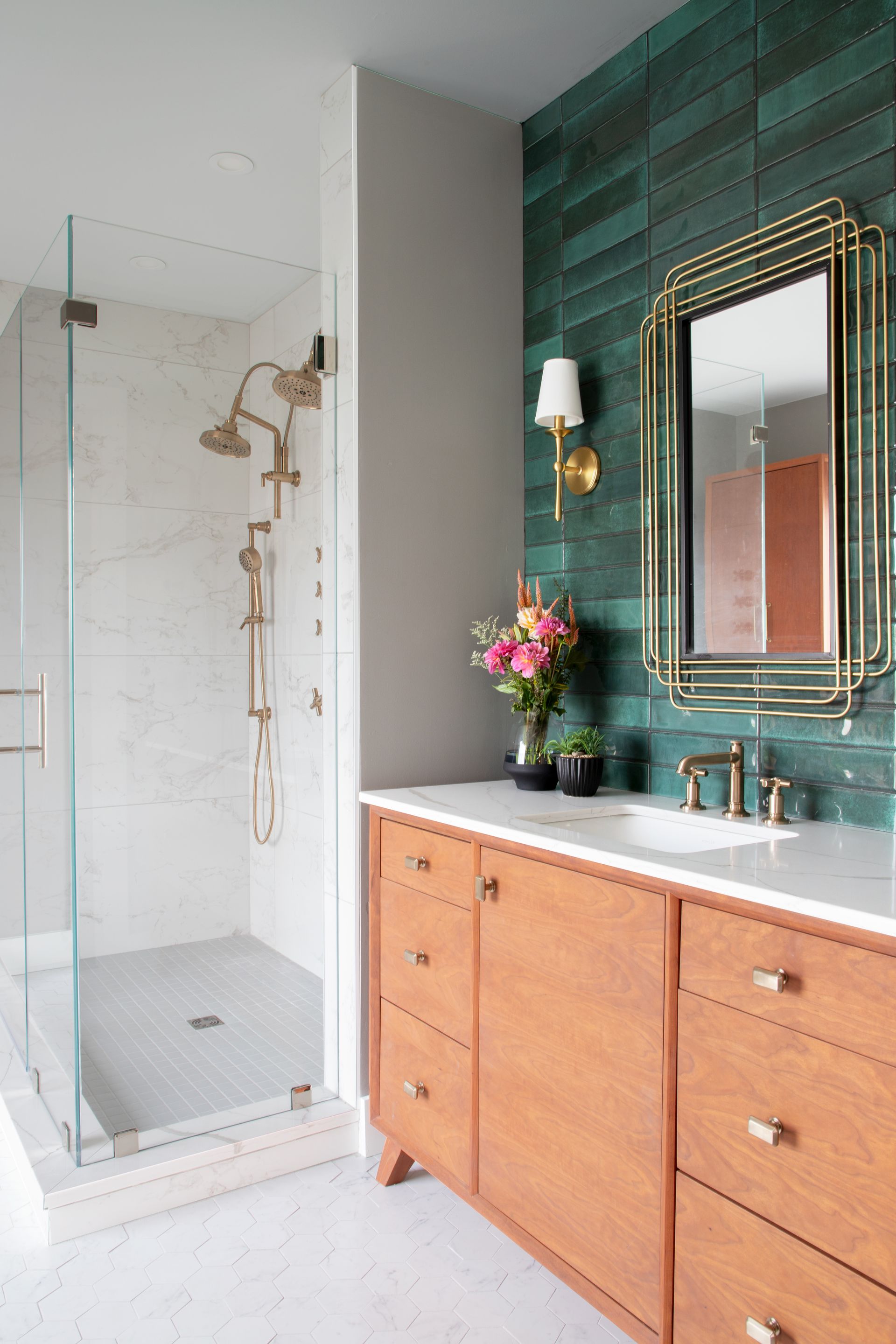
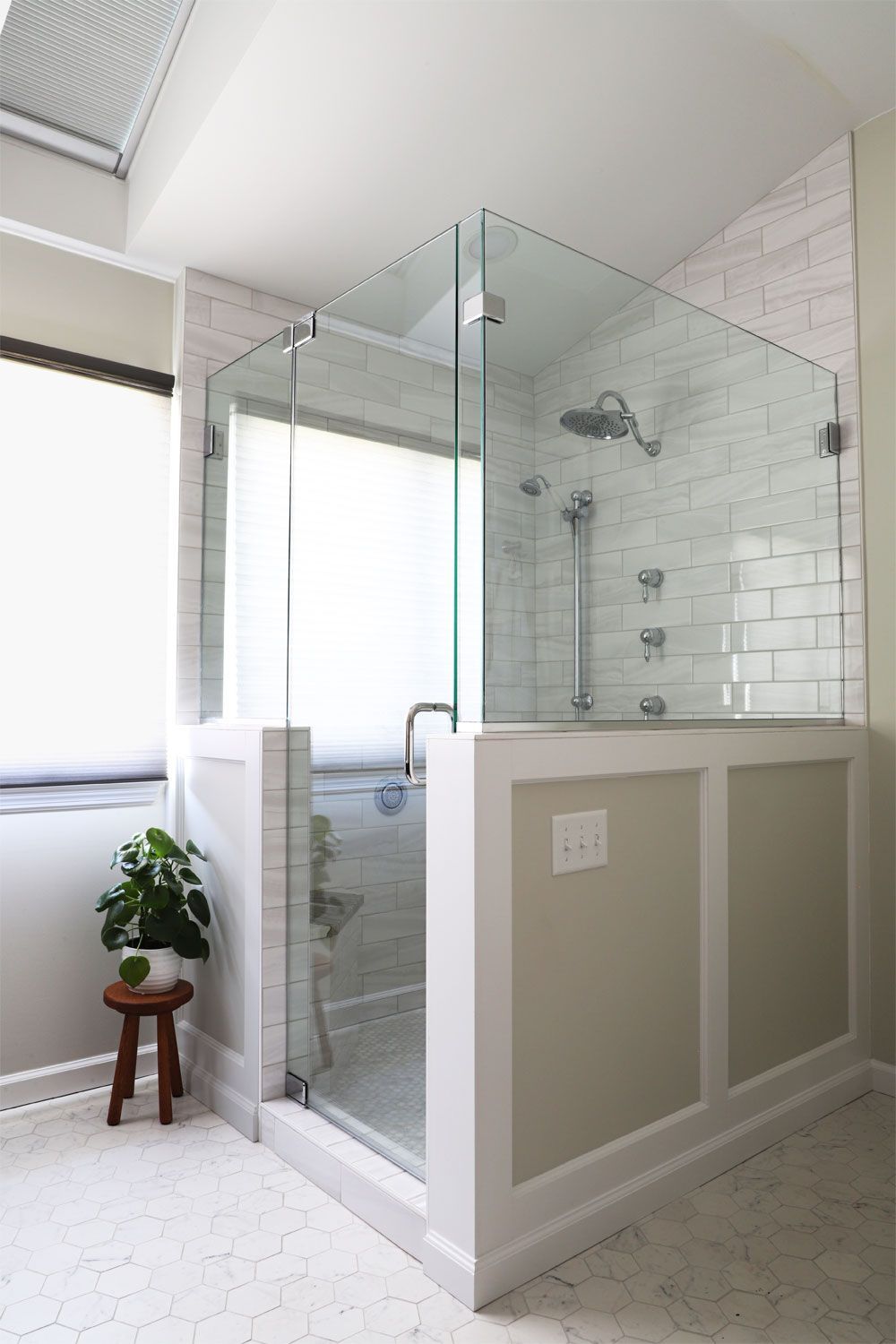
With years of experience designing and building bathrooms, our team brings unmatched expertise to every project. We pride ourselves on transforming ideas into spaces that combine functionality with beauty, ensuring
your bathroom becomes a luxurious retreat.
Comprehensive Design-Build Process
Our structured process simplifies the remodeling journey. From your first consultation to the final walkthrough, we handle every detail with care, providing clear communication and a stress-free experience.
or Call (717) 627-1690 to Speak with a Bathroom Designer Now
Design Awards & Recognition







Our Design-Build Process for Bathroom Remodeling
Phase 1: Complimentary Consultation
We begin with a complimentary consultation at our Lancaster showroom. During this meeting:
- We discuss your vision, space challenges, and budget.
- You’ll explore the showroom to review materials and design ideas.
Phase 2: Design Services Agreement
Once you're ready to move forward, we begin the design contract phase:
- We measure your bathroom and create 2–4 floorplan options.
- You receive detailed 3D renderings.
- We meet frequently to finalize selections and refine the design.
Phase 3: Construction Agreement
This phase finalizes the scope and prepares the project for build:
- Reviewing timeline, scope, and pricing.
- Signing the Construction Agreement.
- Introducing your dedicated project manager.
Phase 4: Project Development
We prepare your project for construction:
- Ordering materials and coordinating delivery timelines.
- Obtaining necessary permits.
- Providing a detailed daily project calendar.
Phase 5: Building
During construction, we maintain a professional, organized job site:
- Dust partitions minimize disruption.
- The project manager oversees all craftsmanship and scheduling.
- Workspaces are cleaned at the end of each day.
Phase 6: Project Completion
Once your project is complete:
- Your bathroom is professionally cleaned and ready for use.
- We conduct a final walkthrough to confirm every detail meets your expectations.
Based in Brownstown, We Provide Bathroom Remodeling for Lancaster County
We offer a range of services to meet your bathroom remodeling needs.
What Local Homeowners Say About KBE’s as a Bathroom Remodeling Company

Frequently Asked Questions About KBE Bathroom Remodeling Projects
How long does a typical bathroom remodeling project take?
The timeline for bathroom remodeling varies depending on the size and complexity of the project. During the planning phase, we provide a detailed project calendar so you know what to expect at every stage.
Can I customize the design of my new bathroom?
Absolutely! We specialize in custom bathroom designs tailored to your style and functional needs. From layouts and fixtures to cabinetry and finishes, we’ll work closely with you to create a bathroom that reflects your vision.
Do you handle permits for bathroom remodeling?
Yes, we take care of obtaining all necessary permits as part of our design-build process, so you don’t have to worry about the paperwork.
Will I see the design before construction begins?
Yes, as part of our process, we create 2–4 custom floorplans and provide 3D renderings. This allows you to visualize your new bathroom and make any adjustments before construction starts.
How do you ensure my home stays clean during remodeling?
We take steps to minimize disruptions by setting up dust partitions and keeping the workspace tidy. At the end of each day, our team ensures the area is cleaned and organized for your comfort.