Style Drift
Mixing trends can make the room feel disjointed.
4224 Oregon Pike
Brownstown, PA 17508
A great bathroom remodel comes down to cohesive design, smart function, and the right systems. Avoid these six common pitfalls to protect your budget, comfort, and long-term durability.
Mixing trends can make the room feel disjointed.
Pretty baths still need practical places for essentials.
Moisture + wear demands durable finishes.
Layer ambient + task + accent for comfort.
Control humidity to prevent mold and damage.
Unrealistic timelines create rework and surprise costs.
Pro tip: A design-build team helps spot code, layout, and material issues before they become expensive.
Start a ConsultationWhether your bathroom space needs extensive repairs or you’re just ready for something new, renovating your bathroom should be an exciting, enjoyable process.
Despite their relatively small size, bathrooms are among the most complex and high-impact spaces to renovate. They require careful coordination of design, materials, lighting, ventilation, and layout, all while staying within budget. It’s no surprise that bathroom renovation mistakes are so common.
When decisions are rushed or key details are overlooked, even well-intentioned remodels can lead to frustration, unexpected costs, and results that don’t hold up over time. These bathroom remodeling mistakes to avoid can affect everything from daily comfort and safety to long-term maintenance and resale value.
After reading this blog, you’ll know what the 6 most common bathroom renovation mistakes are, and how we can help you avoid them at all costs.
One of the great things about deciding to remodel an aspect of your home is the opportunity to start from scratch. However, as fun as this element initially seems, many homeowners soon find themselves stressed and overwhelmed by the options available to them.
Failing to commit to a cohesive style is a common bathroom design mistake homeowners make. With so many bathroom remodeling ideas and styles available (from coastal and minimalist to glamorous and bold), it’s easy to fall into the trap of mixing trends that don’t quite work together.
Mixing too many contrasting styles can make any room feel cluttered and unorganized, and it can ruin your home’s overall design flow. A lack of cohesion makes the space feel disjointed rather than relaxing.
Fortunately, this bathroom design mistake can be entirely avoided. We recommend doing some research before you begin planning your bathroom remodel. Knowing your interior design style will help you decide which theme best suits your home.
Try creating an inspirational lookbook or a mood board to organize your style ideas in one place. Start by choosing a central element, such as a color scheme, that will determine your bathroom's aesthetic.
From here, you can pick different, smaller elements that complement your central idea. This process will ensure you have a clear picture and cohesive theme before renovating.
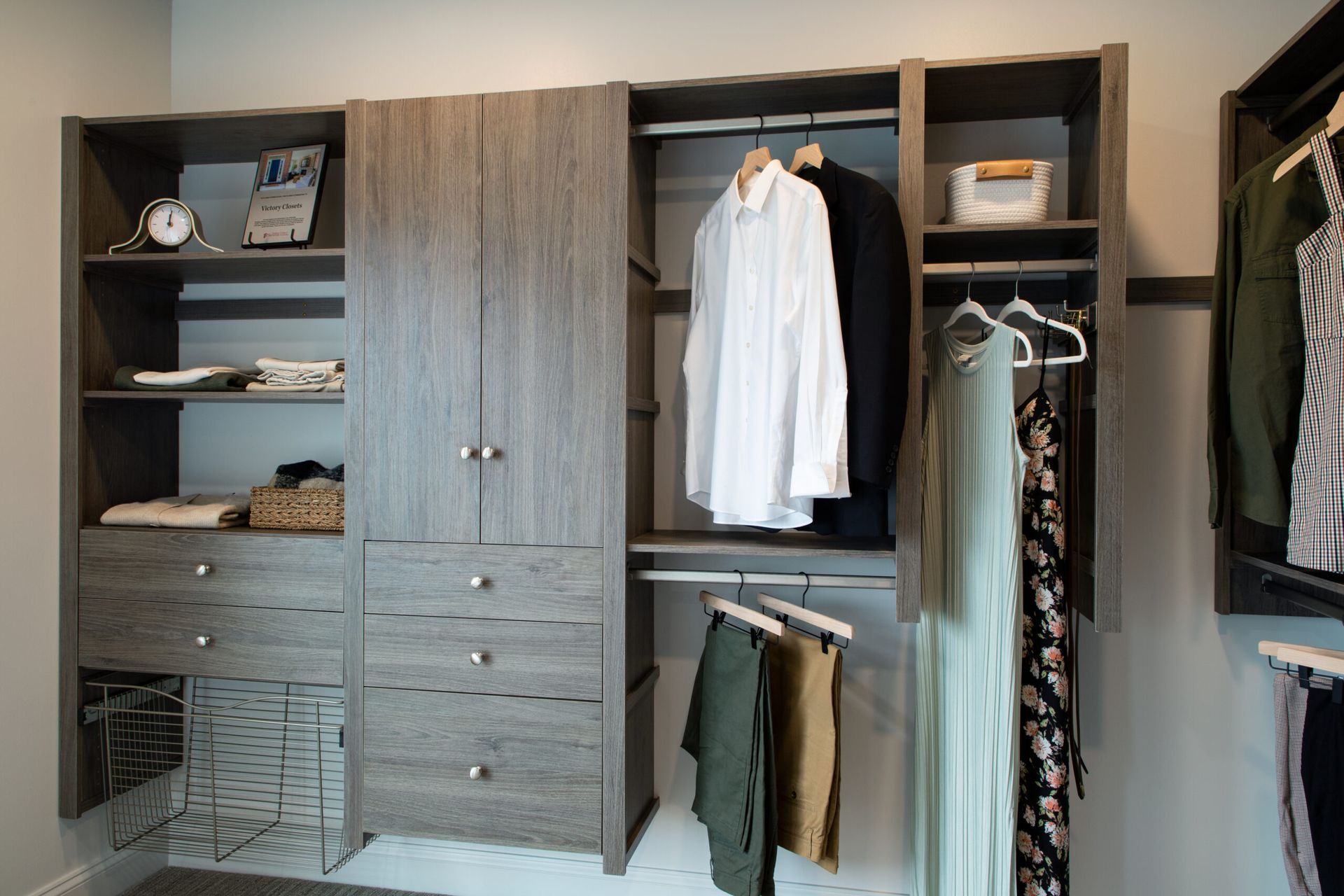
Another common bathroom renovation mistake is underestimating the importance of efficient storage. It’s easy to focus on the look and aesthetics of your bathroom space, but it’s just as important to remember that the space you’re creating should be as functional as it is visually appealing.
Even the most beautiful bathroom can quickly feel chaotic if there’s nowhere to put everyday essentials. Cluttered countertops, overstuffed drawers, and awkward layouts are often the result of bathroom layout mistakes made early in the design process.
Remember that you use your bathrooms daily, so the layout and storage should be practical and well-thought-out.
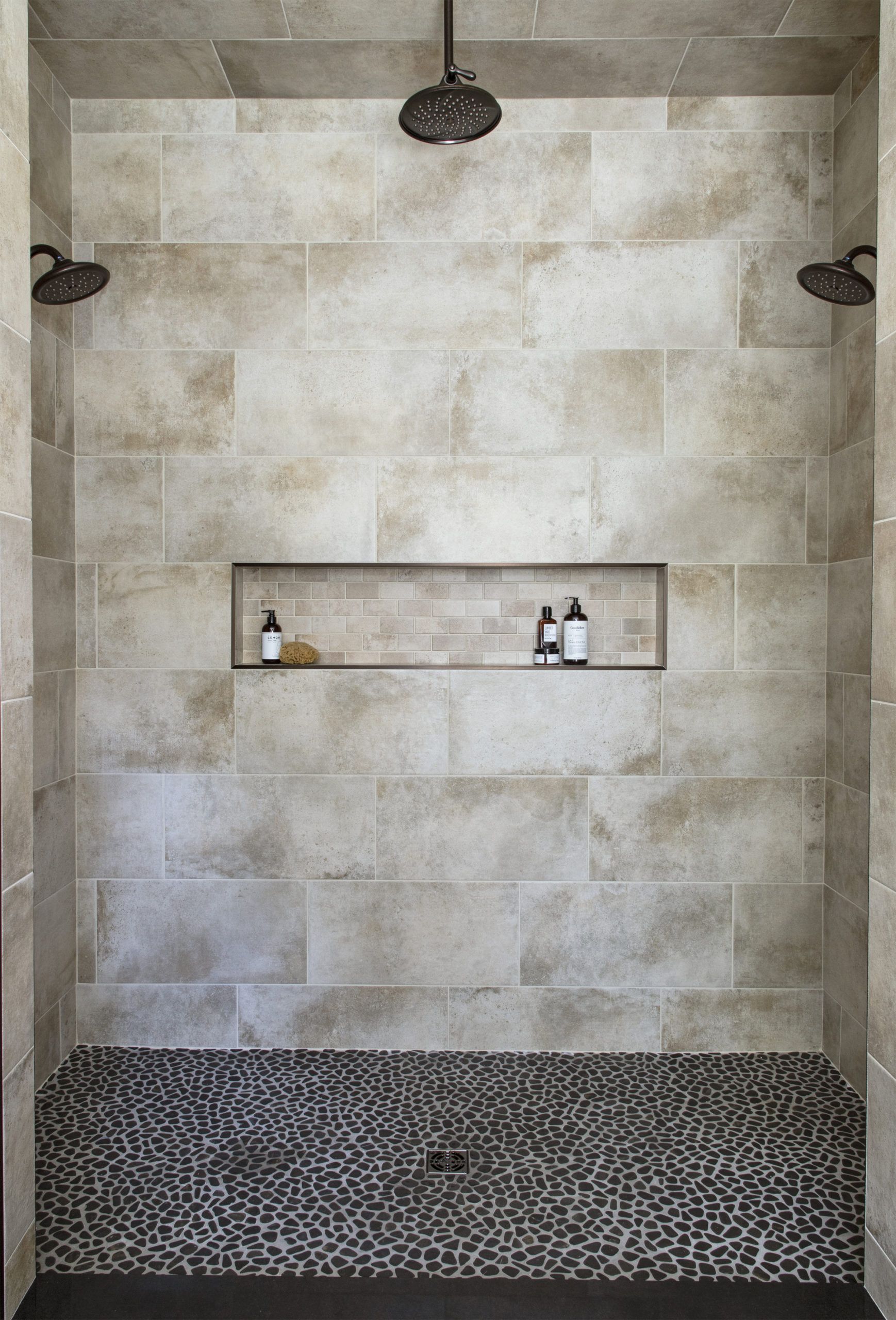
Often, people think creating storage space means bulky cabinets and unappealing racks. The good news is that this is a big misconception. There are many ways to design storage that still fit your budget and bathroom theme.
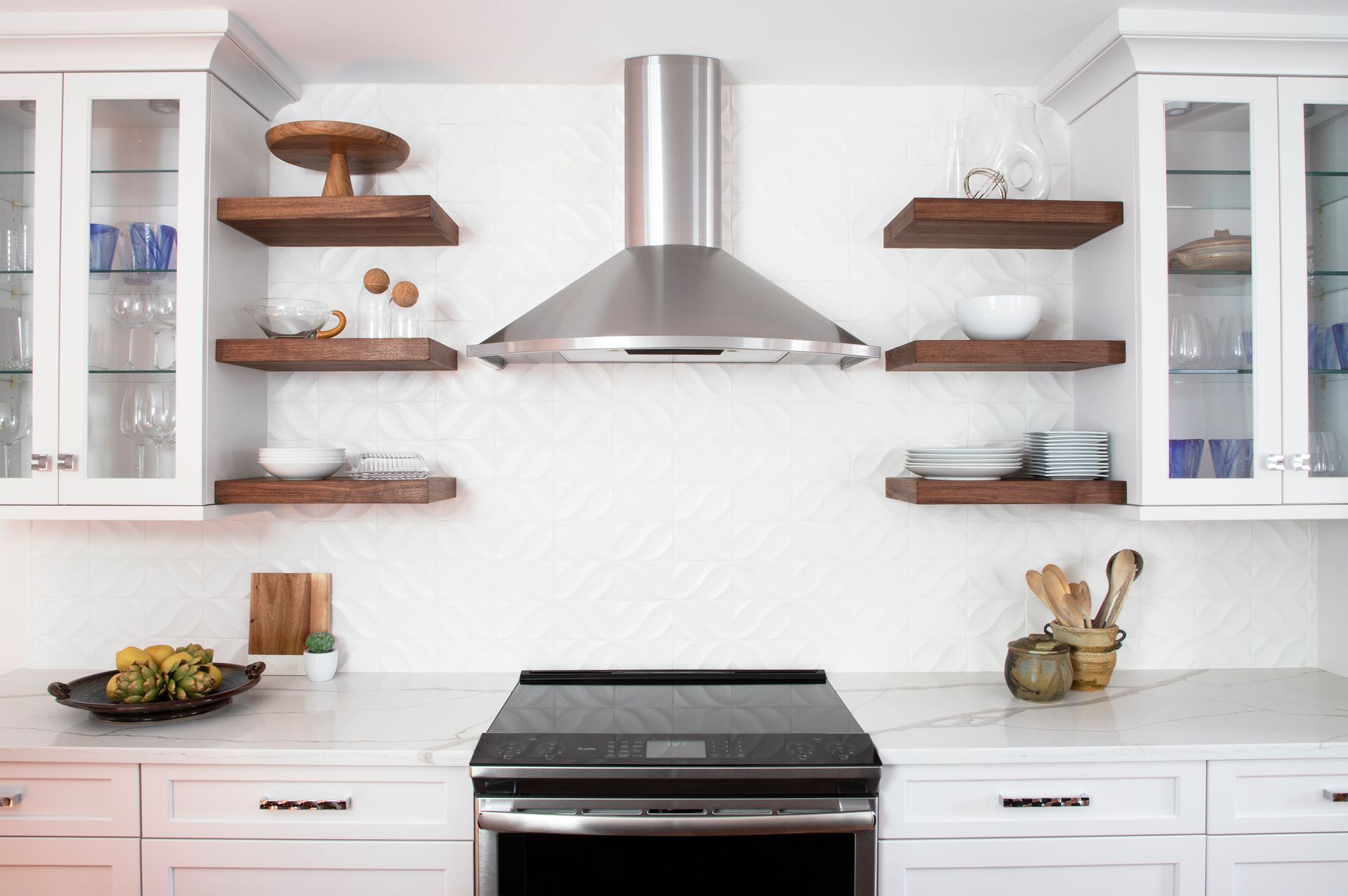
The key is planning storage that’s both practical and well-integrated into your design. One way to do this is to install open shelves to store more attractive toiletries, accessories, and clean towels. You can even add elements like plants, candles, and decorative accents to complement your theme and make your storage area feel like part of your overall design.
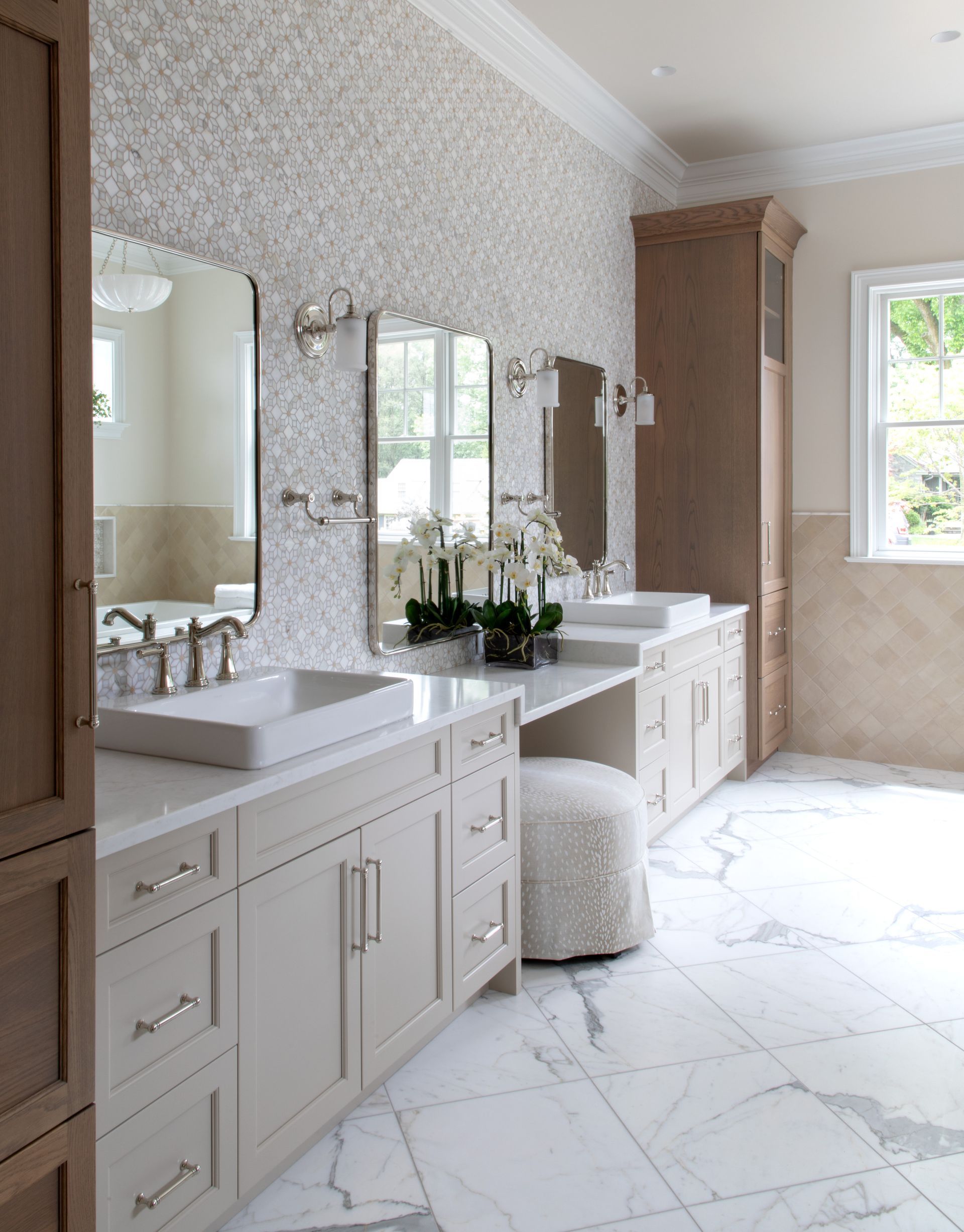
We recommend storing your other, less attractive bathroom necessities in closed cabinets, drawers, or containers. Consider installing a mirror cabinet recessed into the wall, vanities with drawers, recessed wall cabinets, or even a shower niche.
All these options will give you the opportunity to create more space while still maintaining a clean, attractive look.
Trying to save money by cutting corners on materials is one of the costliest bathroom material mistakes homeowners can make. But there are many ways you can save money and stick to your bathroom remodeling budget.
Bathrooms are exposed to constant moisture, humidity, and daily wear, which means not every surface or finish is up to the task. Choosing porous materials or low-quality finishes may lower upfront costs, but they often lead to staining, warping, corrosion, and higher maintenance (or even premature replacement) over time.
Choosing high-quality materials and finishes can transform your bathroom’s design and look, as well as make your everyday cleaning routine much easier. Select bathroom renovation materials designed for wet environments and daily use. Some of the most reliable options include:
Choosing materials with the highest finish quality that can withstand moisture will be less likely to break or become damaged, adding considerable value to your home.
Another great way to ensure you’re choosing the best bathroom materials is to simply ask a
bathroom remodeling professional for help or advice. Design experts will know which materials are best suited to your space and ensure they fit your interior design style.
Lighting is one of the most overlooked bathroom lighting mistakes, yet it plays a major role in how the space looks and functions. Not installing enough lighting in your bathroom can make it hard to perform daily tasks, such as shaving, skincare, applying makeup, and styling your hair.
On the flip side, too much light or overly bright lighting can make the bathroom feel harsh and clinical rather than relaxing and inviting. Finding the balance between these two extremes can be difficult, but it’s not impossible.
To avoid this bathroom remodeling mistake, focus on layered bathroom lighting rather than a one-size-fits-all solution. Don’t settle for basic overhead lighting above your sink, shower, or toilet. Layered lighting keeps the room from being too bright or too dull in certain areas.
Using a variety of light sources, such as ambient, task, and accent lighting, also gives you the opportunity to try out different light fixtures that complement your room’s theme. In addition, you can experiment with light temperatures varying from very warm to very bright.
Keep in mind that many of your lighting choices will depend on the size and layout of your bathroom. For example, certain fixtures and light sources look great in a master bathroom but can make small bathrooms seem cluttered.
Scaled correctly to your bathroom’s size and layout, thoughtful lighting design can transform the space into one that’s both functional and comfortable.
Neglecting ventilation is one of the most common (and most damaging) bathroom renovation mistakes. Bathrooms naturally generate a high amount of moisture from showers, baths, and daily use. Without proper airflow, that moisture has nowhere to go.
Over time, the accumulation of steam and moist air can lead to mold and mildew growth (commonly seen as small black specks on walls and ceilings), peeling paint, damaged finishes, and even health concerns.
While windows can help, they’re rarely enough on their own to manage consistent humidity. You’ll need to install a ventilation system.
Effective bathroom mold prevention starts with a ventilation system designed for your space. Key considerations include:
With the right ventilation in place, your bathroom stays fresher, healthier, and better protected from long-term moisture damage.
It’s easy to get swept up in the excitement of planning a bathroom remodel. We get excited about them, too! But it’s important to step back and remember that there are fundamentals to consider. Rushing the bathroom renovation process is one of the quickest ways to invite mistakes.
Unrealistic timelines often lead to costly errors, overlooked details, and rework that could have been avoided. But even if you’ve done the research, planned the process, and created a budget, you still need to give the actual renovations the time they deserve.
Most bathroom remodeling projects take 4-6 weeks to complete; however, every project is different, and this duration can vary.
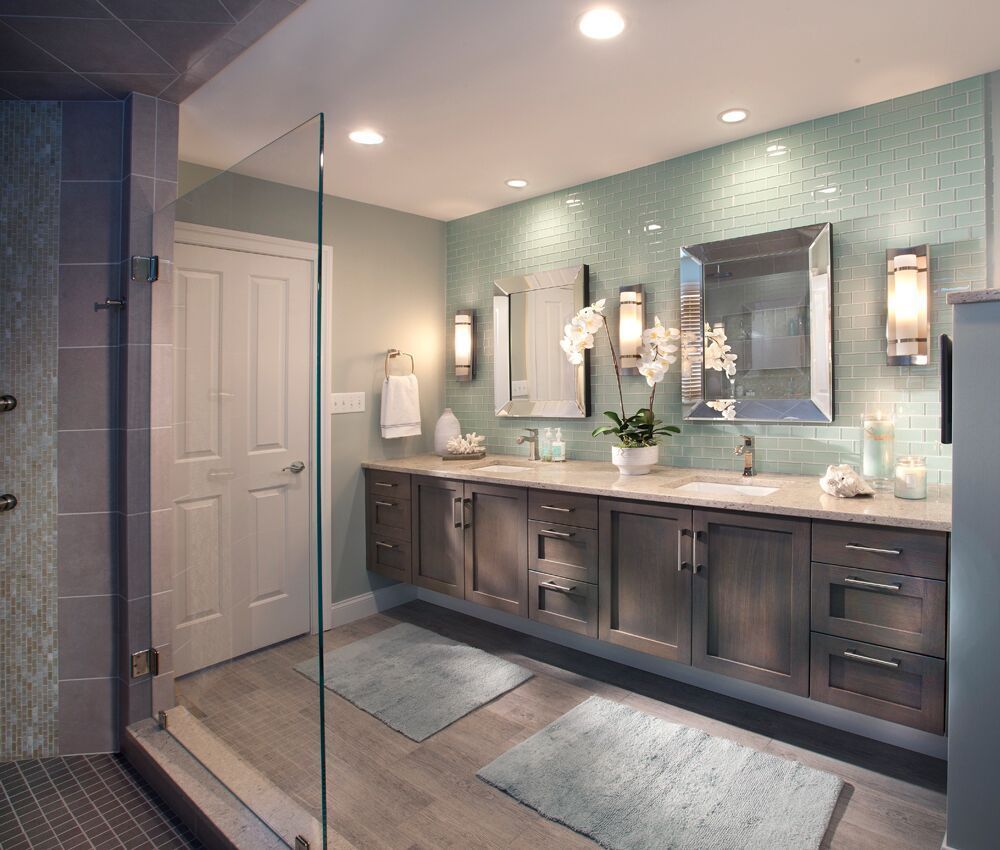
Successful bathroom remodel planning starts with being realistic about what to expect. There are a variety of factors you need to consider, such as:
Every step of your renovation process is important and should be carefully considered. Doing this will ensure your bathroom turns out exactly as you imagined. The more time you put into planning, the less time you’ll waste in the future with replacements, repairs, and unexpected hurdles.
Demo + rough inspections (as needed)
Confirm layout, plumbing/electrical realities, and any surprises behind walls.
Rough-in work + waterproofing
Plumbing/electrical updates, fan/vent placement, shower prep, and moisture protection.
Tile + flooring + paint
Wet-area finishes go in; slip resistance and grout choices matter here.
Fixtures + lighting + punch list
Install vanity/trim/fixtures and finalize layered lighting for comfort and function.
Even with thorough research, some bathroom renovation mistakes aren’t always obvious until it’s too late. Working with experienced professionals will make a big difference in the experience.
Bathroom renovation experts can anticipate challenges homeowners may not see, whether it’s code requirements, layout inefficiencies, or material choices that won’t perform well over time. Their expertise ensures your design is not only beautiful, but safe, functional, and built to last.
From optimizing layouts to recommending durable materials and ensuring code compliance, bathroom remodeling professionals help prevent costly missteps before construction even begins.
Taking a proactive approach by hiring an expert saves time, protects your budget, and delivers peace of mind throughout the renovation process.
If you don’t already have a remodeling expert, we strongly recommend consulting someone who can provide guidance throughout the process. The KBE Design Build team is here to help.
With a proven track record of happy clients throughout the Lancaster area, our team brings extensive expertise in space planning and design. We support you at every stage of the process, tailoring the design to your personal style while providing flexible pricing options to align with your budget.
Ready to get inspired? Take a look at our
bathroom design gallery or
contact us today to get started.
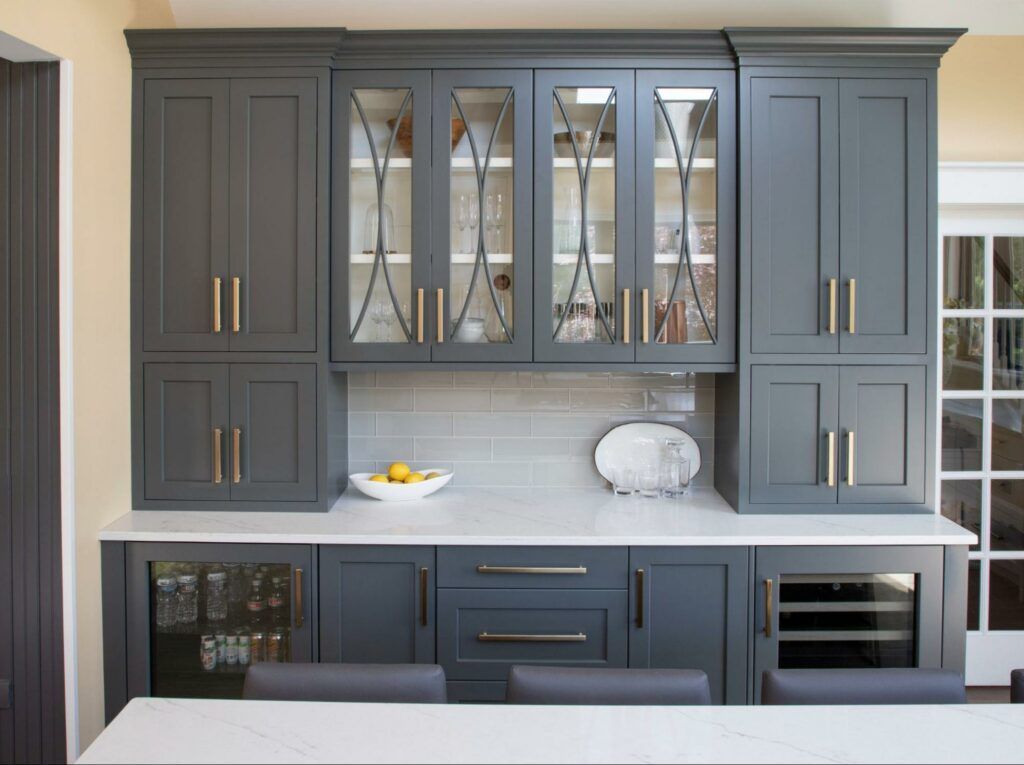
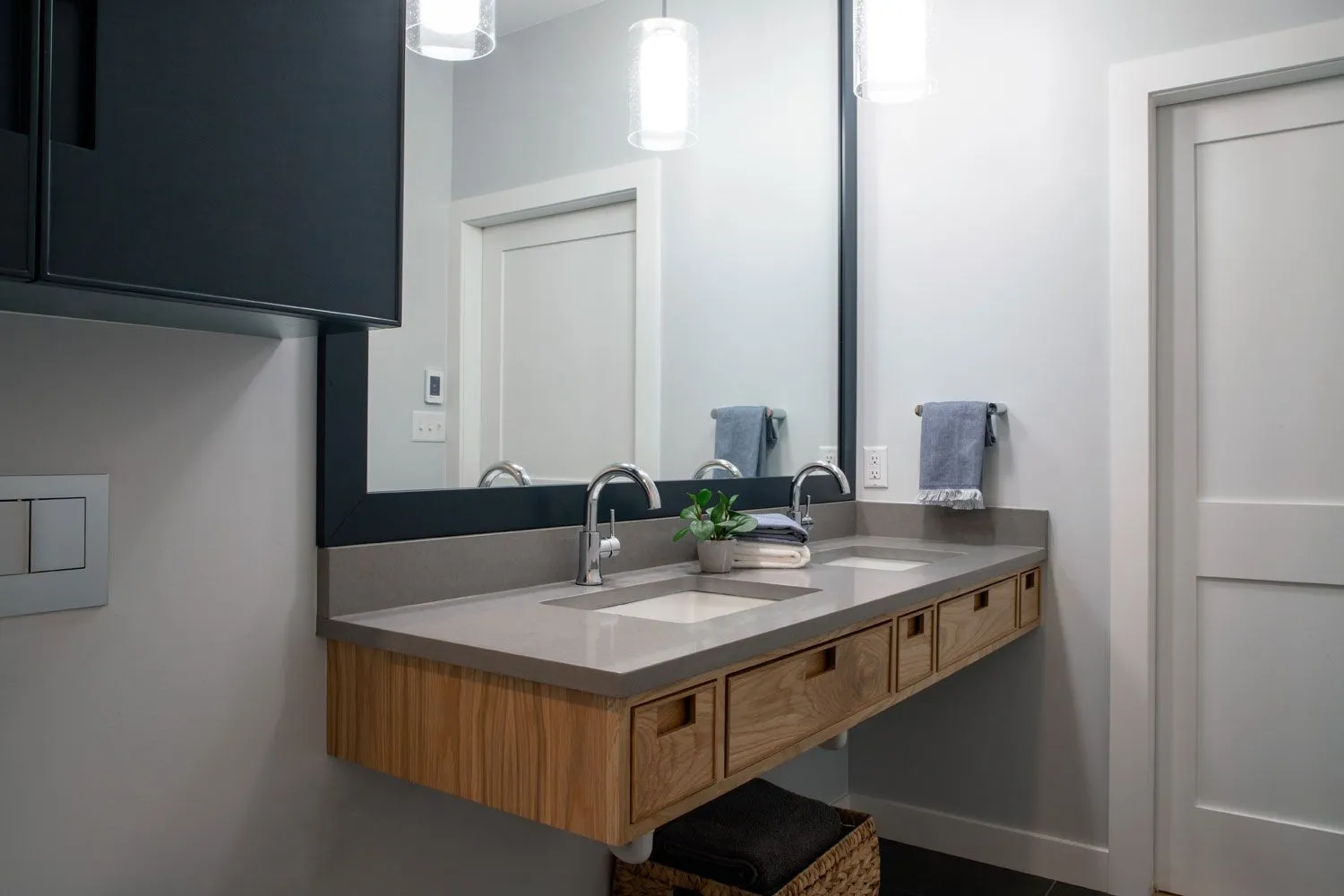
Uncover the possibilities we offer for you and your living space. We are eager to discuss your project vision and determine if we are the perfect match for bringing it to life!

Click or scan this QR code with your phone to leave us a Google review!
Website & Hosting by RedX Web Design. Built with SovoWeb CMS.