Remodel When the Shell Works
Best for outdated finishes, poor storage, inefficient cabinets, appliance placement, and lighting upgrades.

4224 Oregon Pike
Brownstown, PA 17508
A kitchen remodel can improve layout, storage, finishes, and function within your home’s existing footprint. A kitchen addition creates new square footage when your current space simply cannot support the way your family lives. For Lancaster County homeowners, the right choice depends on your goals, the home’s structure, available lot space, budget, timeline, and whether you want to solve surface-level frustrations or create a larger long-term transformation. A design-build approach helps you compare both options clearly before committing to a plan.
The right choice starts with the real problem. A remodel can solve layout, storage, lighting, and finish issues inside a workable kitchen. An addition is worth exploring when the room needs more physical space, better light, or a stronger connection to the rest of the home.
Best for outdated finishes, poor storage, inefficient cabinets, appliance placement, and lighting upgrades.
Best when the kitchen is physically too small, dark, boxed in, or missing room for an island or pantry.
Rework the footprint, open nearby space, or expand with new square footage and exterior construction.
Permits, structure, older-home conditions, utilities, budget, and design goals should be reviewed early.
Best Decision Cue: A remodel updates a workable kitchen. An addition changes what the home can support.
Start a conversationWhen a kitchen starts to feel too small, most homeowners ask the same first question: should we remodel the kitchen we already have, or should we add more square footage? The answer depends on more than taste. It depends on how your family moves through the home, where natural light enters, how the kitchen connects to dining and living areas, and whether the existing footprint can realistically support the way you want to live.
For many Lancaster County homes, especially older houses in Lancaster, Lititz, Ephrata, Brownstown, Christiana, and nearby Central Pennsylvania communities, the kitchen was not originally designed as the main gathering space. It may have limited storage, a tight work triangle, small windows, or walls that make daily life feel crowded. In some cases, a thoughtful remodel can solve those issues. In others, a kitchen addition gives the home the space, light, and flow it has always needed.
Here is how to compare both options before you invest in design plans, selections, and construction.
Cabinets, countertops, tile, and appliances are exciting, but they should not be the first decision. A better starting point is the daily frustration you are trying to solve. Do you need more prep space? A larger island? Better pantry storage? A clearer path from the garage or mudroom? A kitchen that connects to the backyard?
If the main problem is worn finishes, outdated cabinetry, poor lighting, or inefficient storage, a remodel may be enough. KBE Design Build’s kitchen remodeling services are built around custom design solutions that improve beauty and function while keeping the homeowner’s style, needs, and daily routine at the center of the plan.
If the main problem is that the room is physically too small, boxed in, or poorly connected to the rest of the home, an addition may deserve serious consideration. More square footage can create possibilities that a cabinet refresh or layout change cannot.
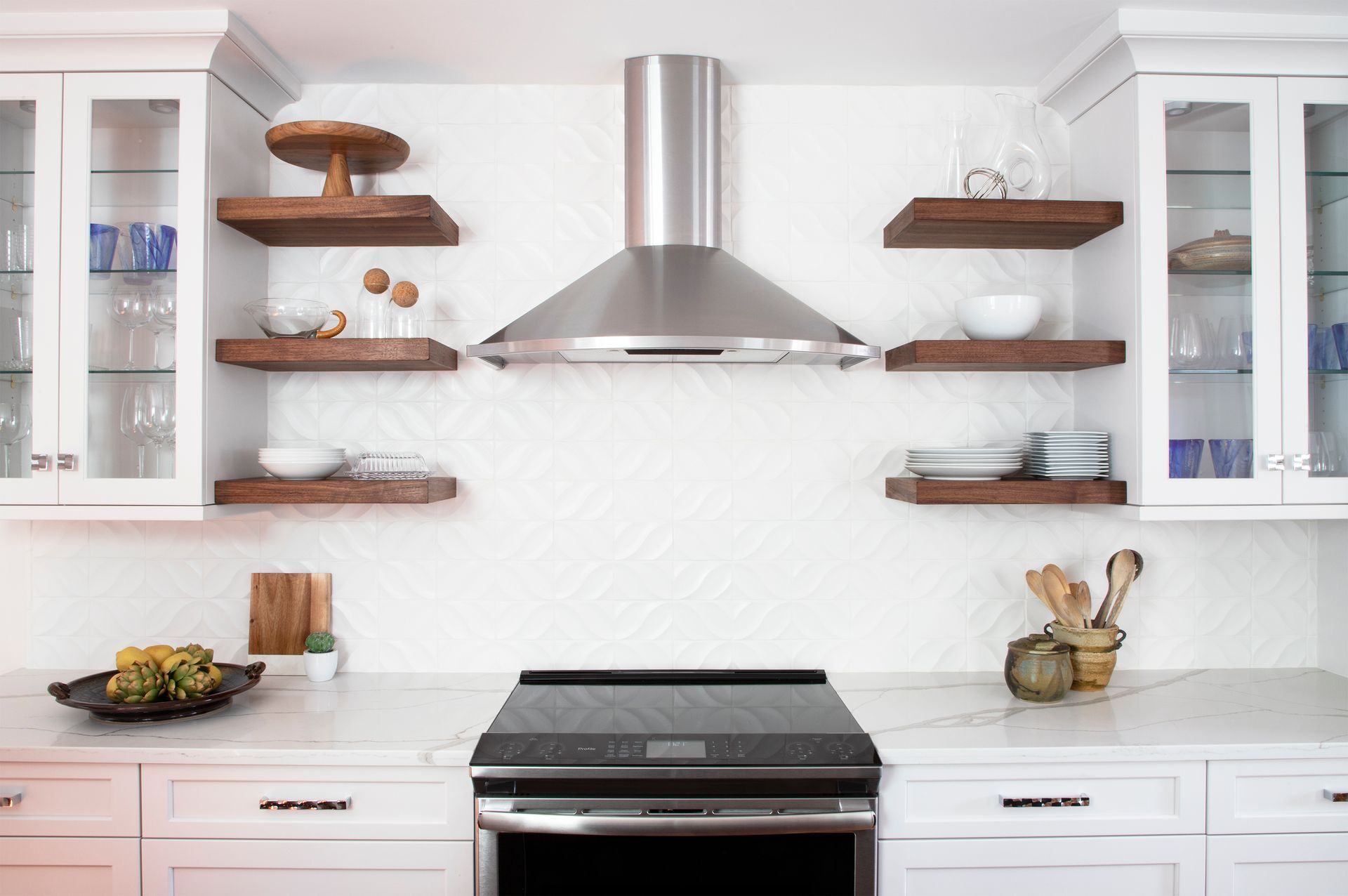
A kitchen remodel works well when the existing footprint has enough room to support a better layout. This is often the case when a kitchen has awkward cabinet placement, old appliances, limited task lighting, or underused corners, but the basic shell of the room is still workable.
A remodel may be the right direction if you can gain function by moving appliances, extending cabinetry, improving the island, replacing a peninsula, opening a non-structural wall, or adding better storage zones. A designer may find space you did not realize you had, such as a shallow pantry wall, a more efficient cabinet run, or a new seating arrangement.
A kitchen addition becomes more appealing when the existing room simply cannot deliver the space, light, or connection you want. If your kitchen is narrow, dark, cut off from the dining area, or missing room for an island, expanding the footprint may give the design room to breathe.
KBE’s custom home additions are designed to create extra living space that blends with the home’s existing design while improving function and comfort. For a kitchen, that may mean a modest bump-out, a larger rear addition, or a new kitchen and dining area that opens toward a patio or backyard.
An addition may be worth exploring when you want a larger island with seating, a walk-in pantry, a casual dining area, more natural light, better indoor-outdoor flow, or a layout that supports entertaining. It can also help when the current kitchen is trapped between stairways, hallways, or load-bearing walls that limit what can be changed inside the existing footprint.
Start by naming the frustration. Then match the project type to the problem your current kitchen cannot solve.
A remodel is usually the stronger fit when the room has enough space, but the layout and finishes are holding it back.
An addition makes more sense when the current shell cannot deliver the light, circulation, storage, or connection you want.
Many Lancaster County homes need a blended solution. A modest addition can create the missing square footage, while the remodel refines the layout, storage, lighting, selections, and everyday function.
Many homeowners think the choice is simple: remodel or add on. In reality, there are often three possibilities. You can rework the existing kitchen within the same footprint, open up nearby space, or add new square footage.
Each option affects budget, schedule, design complexity, and how the finished home will feel. Removing or changing structural walls may require engineering. Expanding the footprint may involve foundation work, roofing, exterior finishes, utilities, zoning, stormwater considerations, and inspections. The Pennsylvania Uniform Construction Code building permit guidance is a helpful reminder that code compliance and permits should be considered early in the planning process.
A remodel inside the existing footprint is not automatically inexpensive, and an addition is not automatically too much. The investment depends on the scope. Custom cabinetry, high-performance appliances, specialty lighting, premium countertops, structural changes, and mechanical updates can all affect the budget.
A kitchen addition usually includes more construction layers than an interior remodel, including foundation, framing, windows, roofing, insulation, HVAC adjustments, and finish work inside and outside the home. That does not mean it is the wrong choice. It means the decision should be made with clear expectations.
The value of a design-build approach is that design, budgeting, and construction planning are connected from the beginning. KBE’s design build process gives homeowners a guided way to compare layouts, review selections, discuss scope, and understand how each decision affects the larger project before construction begins.
Many Central PA homes have history, character, and craftsmanship that newer homes cannot easily replicate. They can also come with surprises behind the walls. A kitchen project in an older home may uncover outdated wiring, uneven framing, limited insulation, plaster conditions, older plumbing, or previous renovations that were never fully resolved.
Homes built before 1978 may also require lead-safe work practices when painted surfaces are disturbed. The EPA’s Lead Renovation, Repair and Painting Program outlines certification and work practice requirements for renovation, repair, and painting projects in many pre-1978 homes. This is one reason it is wise to bring an experienced remodeling team into the conversation early, especially if the project touches exterior walls, windows, trim, or old painted surfaces.
The Christiana project shows why the right solution is not always a simple remodel or a large addition. KBE expanded the kitchen just enough to improve light, comfort, workspace, and connection while respecting the character of the 1800s home.
KBE’s Christiana PA kitchen remodel before and after is a useful example of how the remodel-versus-addition decision can work in real life. The home’s existing kitchen was dark, cold, and short on workspace. Instead of only replacing finishes, the project added about 125 square feet, brought in three large windows and a glass patio door, improved comfort, and created a brighter kitchen that still honored the character of the 1800s home.
That kind of project shows why the best answer is not always one category or the other. Sometimes the right solution is a kitchen remodel and a carefully planned addition working together. The remodel improves the function and finishes. The addition gives the room the physical space it needs to become the kitchen the homeowner actually wanted.
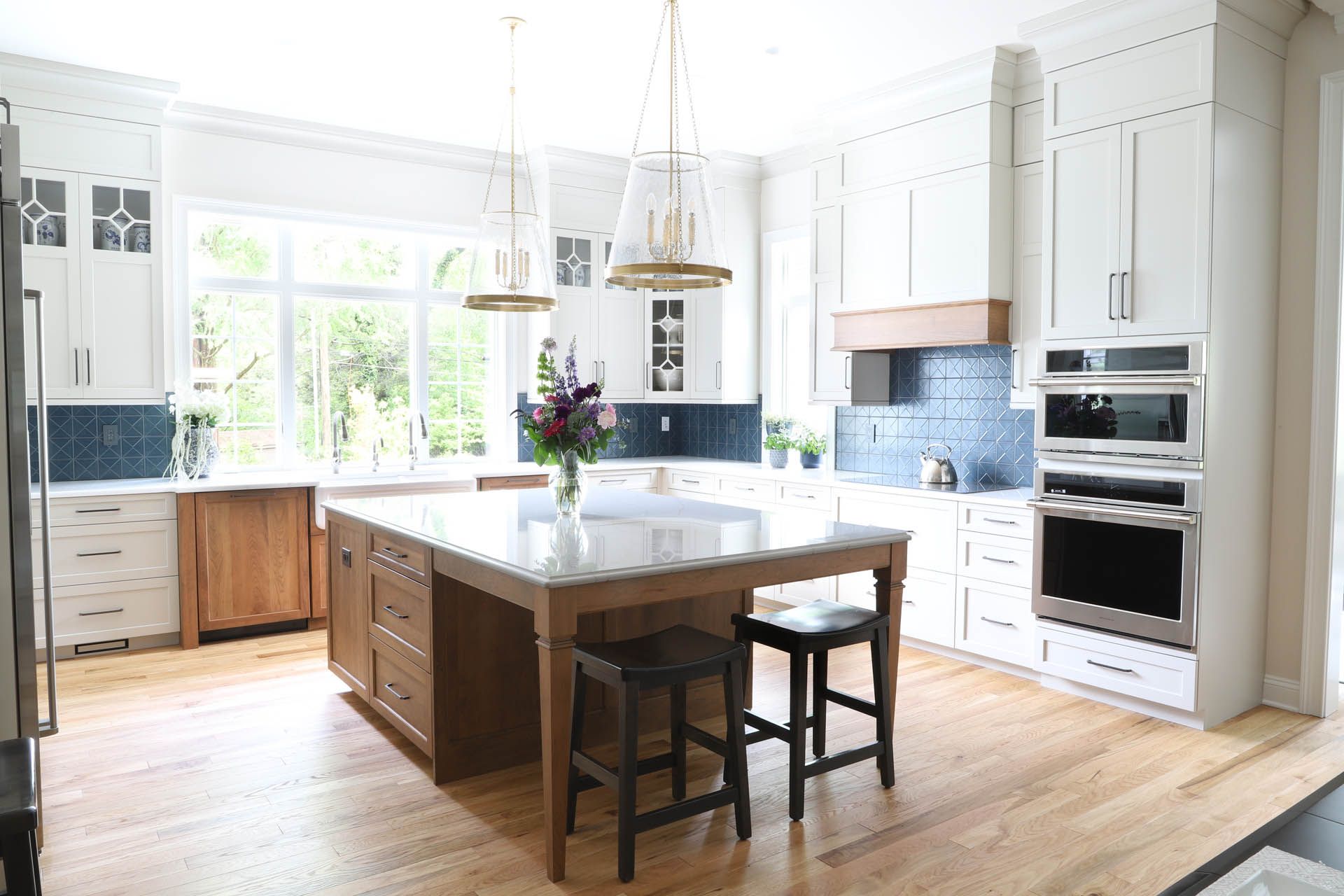
Before deciding between a kitchen remodel and a kitchen addition, ask a few practical questions. Can the current footprint fit the island, storage, and appliance layout you want? Would opening a wall solve the problem, or would it only shift the tightness somewhere else? How important is natural light? Do you want the kitchen to connect more directly to outdoor living space? Are you trying to stay in the home long term?
Choose a kitchen remodel when your existing footprint has enough space, but the layout, storage, lighting, or finishes are holding it back. Choose a kitchen addition when the room needs more physical space, better natural light, stronger indoor-outdoor connection, or a layout that the current shell cannot support.
If your kitchen feels too small, too dark, or too disconnected from the way you live, KBE Design Build can help you explore the right path. Start with a conversation, bring your ideas, and let the design team help you uncover whether a remodel, an addition, or a combination of both will create the space your home has been missing.
Use these quick answers to compare scope, permits, design fit, and the value of a guided design-build process.
Not always. A kitchen addition usually includes more construction components than an interior remodel, including foundation, framing, roofing, exterior finishes, windows, utilities, and inspections. The best comparison comes from reviewing specific design options side by side.
Yes. KBE's design-build approach helps homeowners compare design goals, construction requirements, selections, budget, and schedule as one connected plan.
Most kitchen additions and many major remodels require permits and inspections, but requirements depend on the municipality and scope of work. Confirm local requirements early and work with a qualified team that understands code and construction planning.
Yes. A careful design can align rooflines, window proportions, exterior materials, interior trim, sightlines, and finish selections so the addition feels connected to the original home.
Yes. For some homes, a modest addition creates the missing space while the remodel improves layout, storage, lighting, comfort, and finishes.
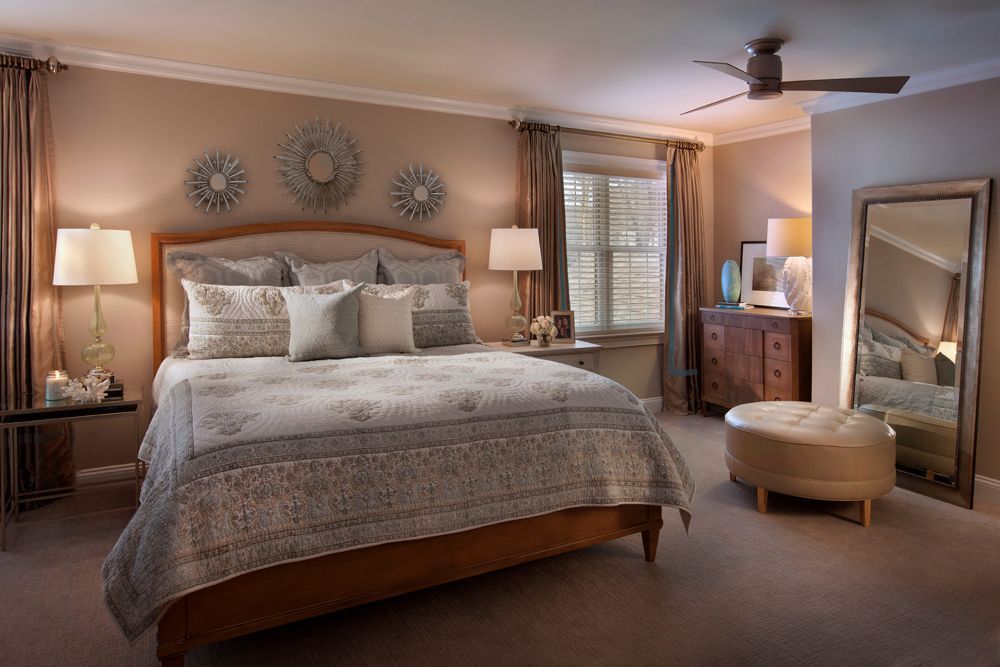
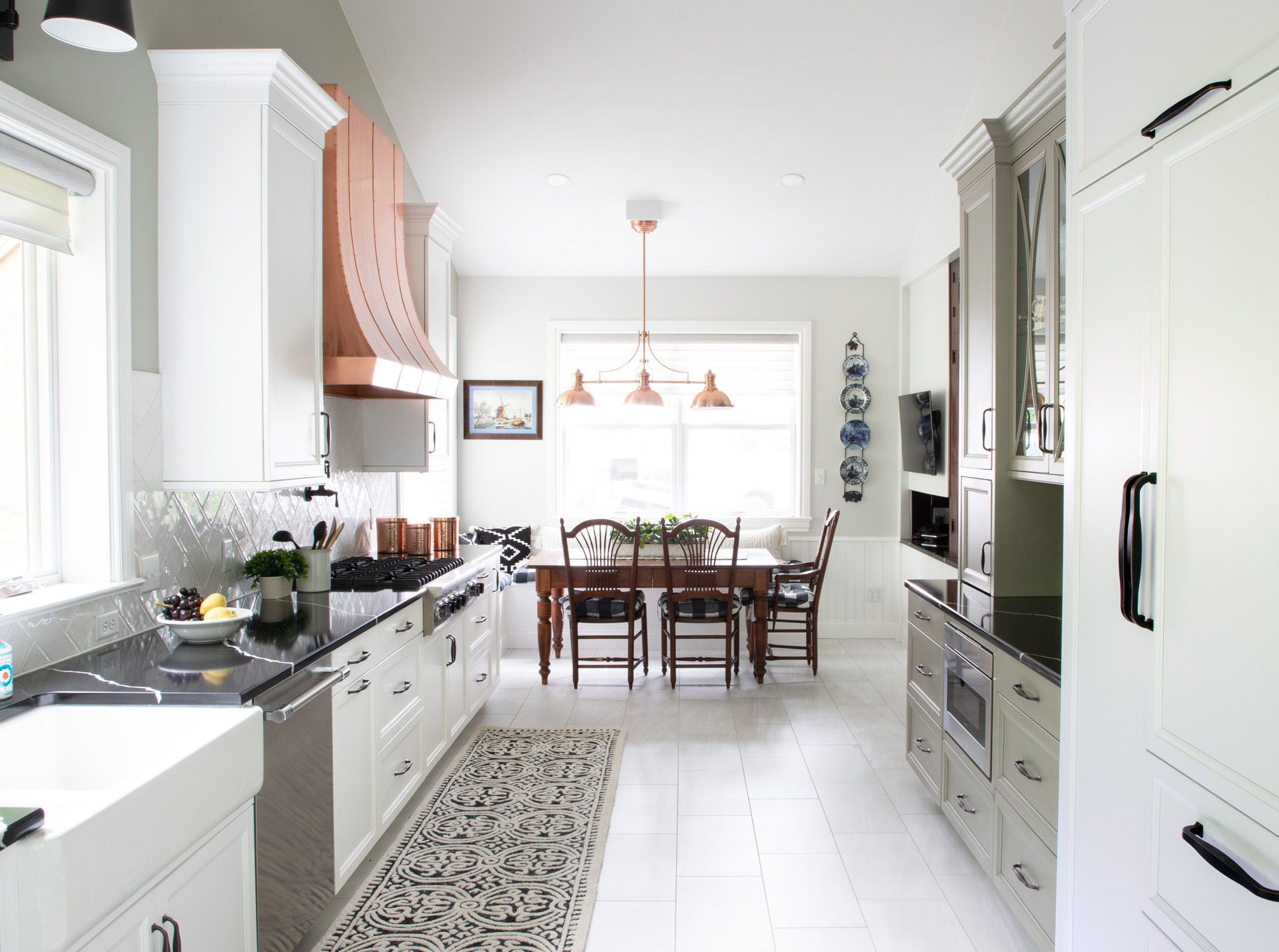
Uncover the possibilities we offer for you and your living space. We are eager to discuss your project vision and determine if we are the perfect match for bringing it to life!

Click or scan this QR code with your phone to leave us a Google review!
Website & Hosting by RedX Web Design. Built with SovoWeb CMS.