Historic Home Remodeling in Lancaster County: How to Preserve Character While Updating
Remodeling a historic home in Lancaster County takes more than choosing new finishes. Older homes often have original details, unique layouts, aging systems, and construction quirks that need to be respected during a kitchen or bathroom update. The goal is to improve comfort, storage, safety, and daily function while preserving the character that makes the home special. A design-build approach helps homeowners plan carefully, uncover potential challenges early, and create updates that feel natural to the age and style of the home.
Quick Summary
Keep original character front and center while updating kitchens, baths, storage, lighting, safety, and daily function for the way your family lives now.
- Preserve Character Trim, masonry, beams, floors, built-ins, and room proportions.
- Improve Comfort Better layout, storage, ventilation, lighting, and everyday flow.
- Plan the Hidden Work Structure, plumbing, electrical, waterproofing, and lead-safe steps.
Older homes across Lancaster County have a way of making everyday life feel connected to the past. Wide trim, thick walls, original flooring, deep window openings, handmade masonry, and traditional room layouts all tell part of the story. At the same time, many historic kitchens and bathrooms were never designed for the way families live now.
A dark kitchen may need more workspace, better storage, improved lighting, and a stronger connection to the outdoors. A bathroom may need safer access, better ventilation, a larger shower, or a layout that works for busy mornings. The goal is not to turn an older home into something generic. The goal is to make it more comfortable while protecting the features that made you love it in the first place.
For homeowners in Lancaster, Lititz, Ephrata, Brownstown, Christiana, and nearby Central Pennsylvania communities, historic home remodeling works best when design decisions are thoughtful from the start. Here is how to preserve character while updating kitchens and baths with confidence.
Begin by Identifying What Should Stay
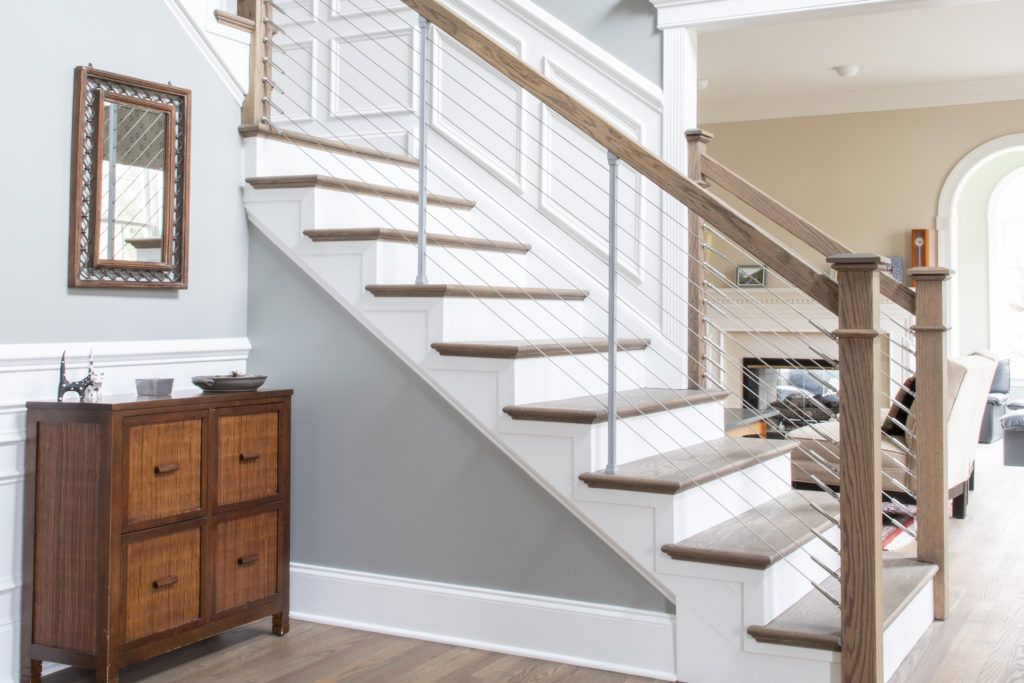
Before choosing cabinets, tile, plumbing fixtures, or paint colors, step back and study the home. What details make it feel original? In a Lancaster County farmhouse or older borough home, that might include window proportions, exposed beams, stone walls, brickwork, staircase details, built-ins, door casings, wide plank flooring, or the relationship between rooms.
The National Park Service’s Secretary of the Interior’s Standards for Rehabilitation encourages preserving historic materials and character-defining features when making updates to older buildings. For a homeowner, that principle can be simple: know what gives the home its personality before deciding what to change.
This does not mean every worn material must stay forever. Some finishes may be damaged beyond repair, and some layouts simply do not function well anymore. Still, when you identify the details that matter most, your remodeling team can design around them instead of accidentally removing the charm you hoped to keep.
A Smarter Sequence for Historic Kitchens and Baths
Older homes reward careful planning. Use this path to connect character, layout, selections, safety, and construction before work begins.
- 1
Walk the home first
Look for original details, proportions, flooring, masonry, trim, and built-ins that should guide the remodel.
- 2
Name the must-keeps
Separate character-defining features from finishes or layouts that no longer support daily life.
- 3
Solve layout and light
Improve traffic flow, storage, daylight, and lighting layers without forcing an open plan where it does not belong.
- 4
Choose timeless materials
Pair durable modern surfaces with cabinetry, tile, hardware, and finishes that respect the home’s age and scale.
- 5
Investigate behind walls
Plan for structure, electrical, plumbing, ventilation, waterproofing, and lead-safe precautions before final pricing.
- 6
Build with context
Coordinate interior work with exterior details so additions, windows, and transitions look intentional.
Improve the Layout Without Making the Home Feel New
Many older kitchens were designed as workrooms, not gathering spaces. They may feel closed off from the dining room, short on countertop space, or disconnected from natural light. Bathrooms can be even more challenging, especially when plumbing was added long after the home was built.
A successful remodel looks at traffic flow, work zones, storage, and sightlines without forcing an open layout where it does not belong. Sometimes the right move is widening a doorway, shifting an appliance wall, adding a pantry cabinet, or reworking an awkward corner. In other homes, a more significant change may make sense, such as a carefully planned kitchen expansion or small addition.
This is where KBE Design Build’s design-build process can be especially helpful. When design and construction planning happen together, your team can consider structure, budget, selections, permits, and finish details at the same time. That matters in older homes, where one wall can affect framing, flooring, utilities, and the way adjoining rooms feel.
Bring More Light into Older Kitchens
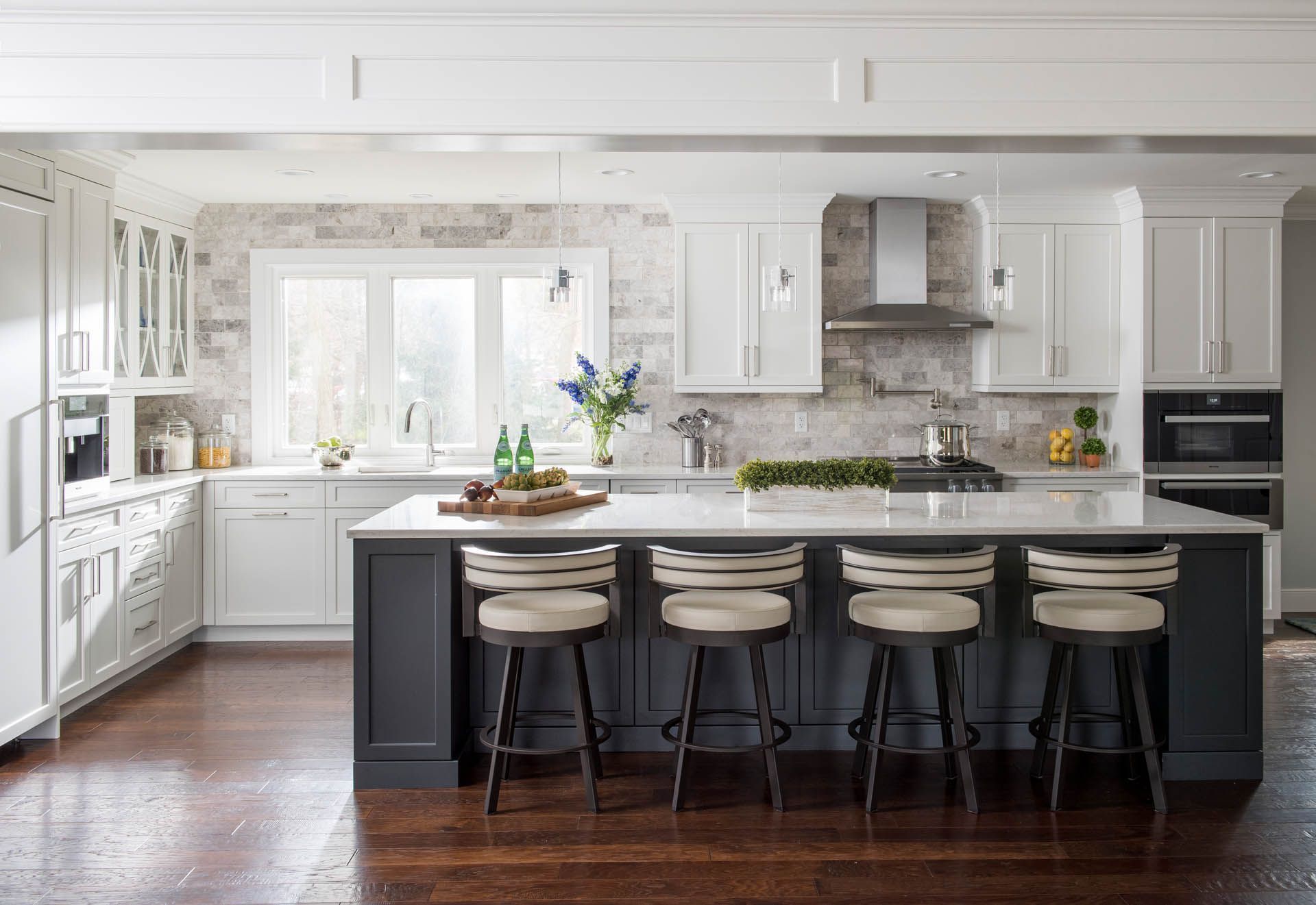
Historic kitchens are often charming, but many are also dim. Smaller windows, deep porches, mature trees, and older floor plans can limit daylight. Adding light should feel natural, not forced.
In some kitchens, larger windows or a glass door can brighten the room while still respecting the home’s scale. In others, layered lighting is the better solution. Recessed lighting, pendants, under-cabinet lighting, and well-placed sconces can make prep zones safer and more comfortable without overpowering the room.
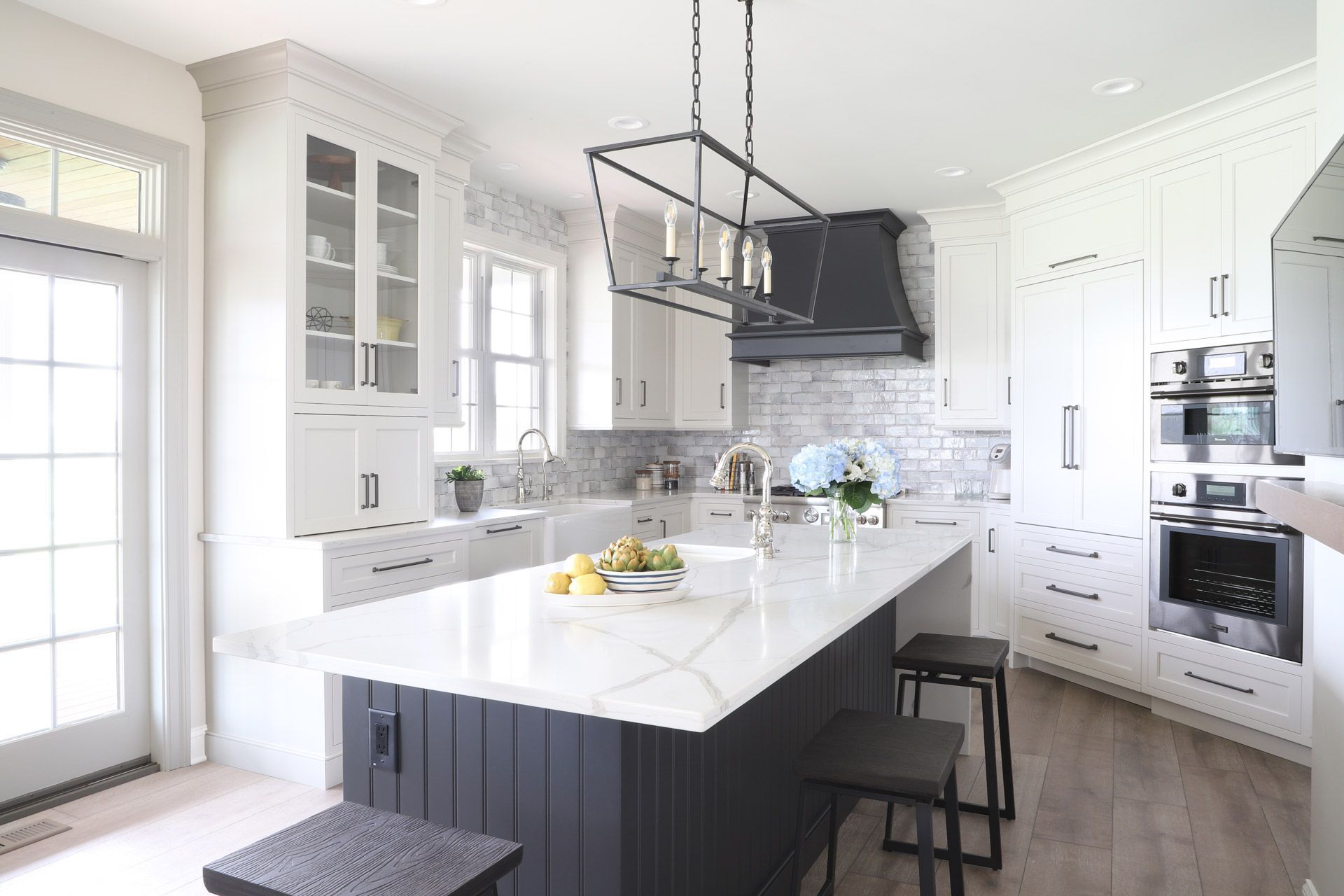
A recent KBE kitchen remodel in Christiana showed how a historic home can gain space and daylight while still feeling timeless. The project added about 125 square feet, brought in larger windows and a glass patio door, and gave the kitchen a more functional layout. That kind of change works because the new space is planned as part of the existing home, not as an unrelated room attached to the back.
Choose Kitchen Materials that Feel Timeless
A historic kitchen does not need to be a museum piece. It can include durable countertops, custom cabinetry, modern appliances, and practical storage. The key is choosing materials that look settled into the home.
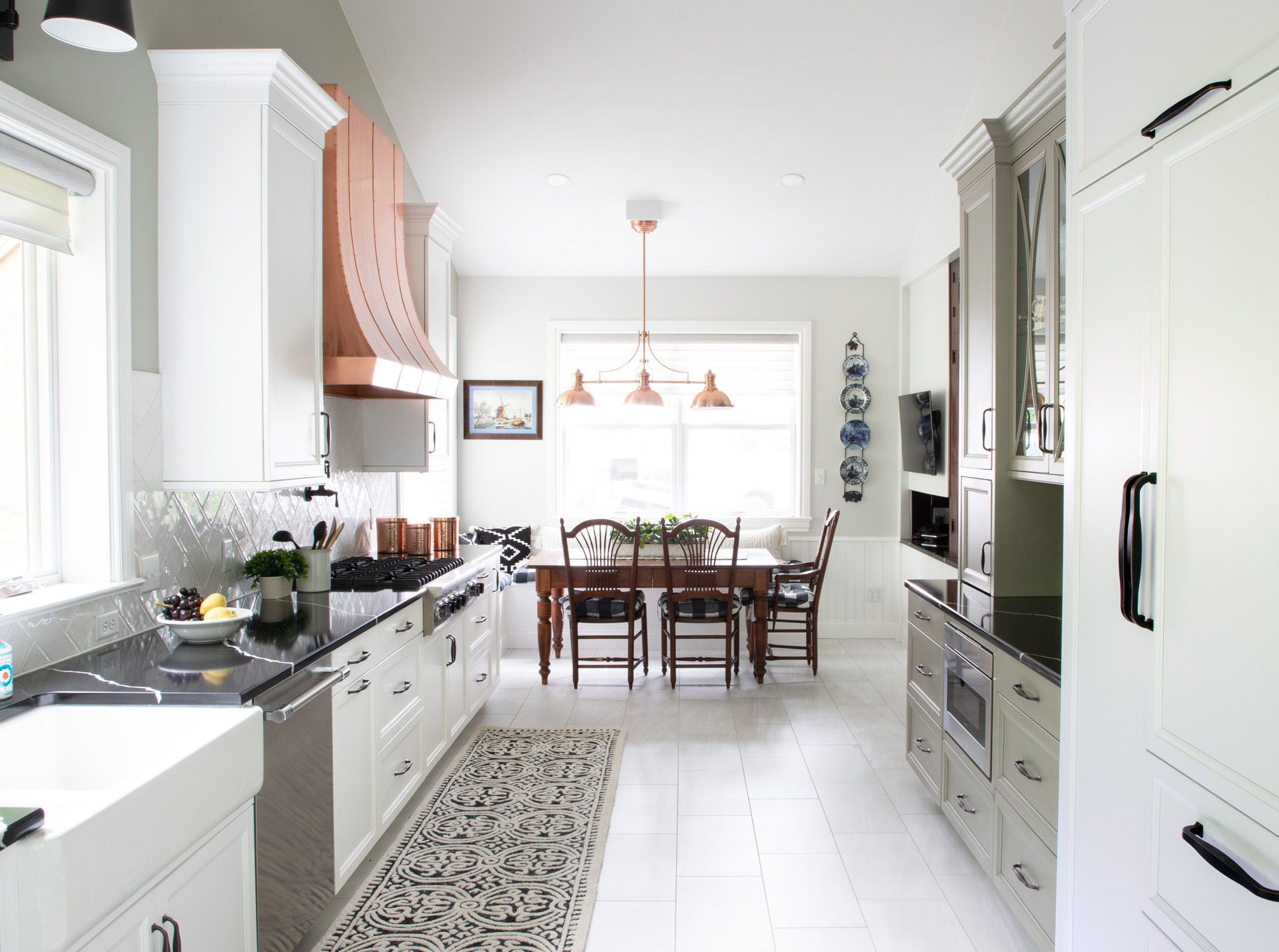
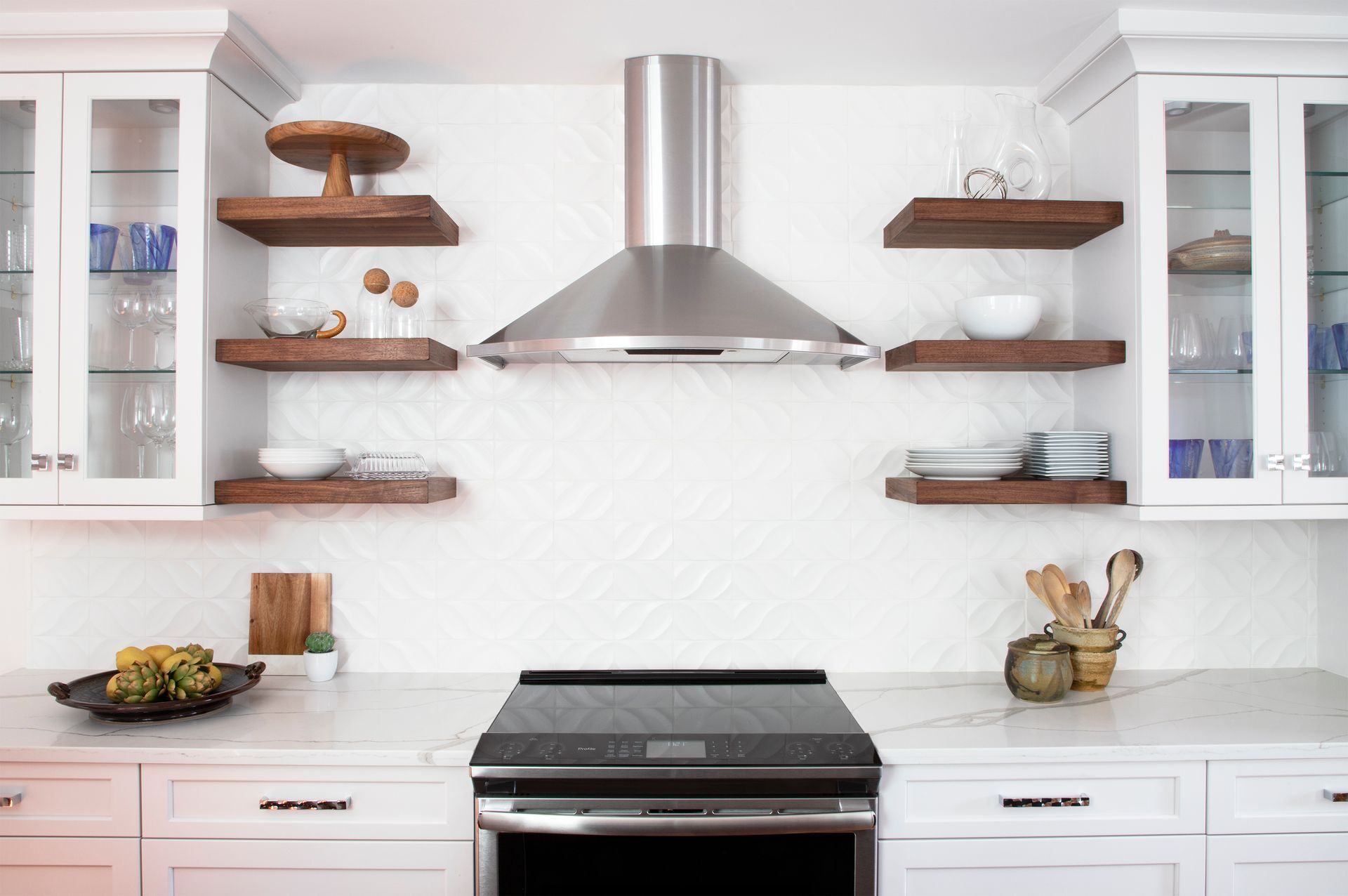
For many Lancaster County homes, that may mean cabinetry with furniture-like details, natural wood tones, classic painted finishes, handmade-looking tile, stone-inspired countertops, warm metals, or hardware that feels substantial without looking overly ornate. A thoughtful kitchen remodeling plan can also hide modern conveniences, such as charging drawers, pullout storage, trash and recycling centers, and appliance garages.
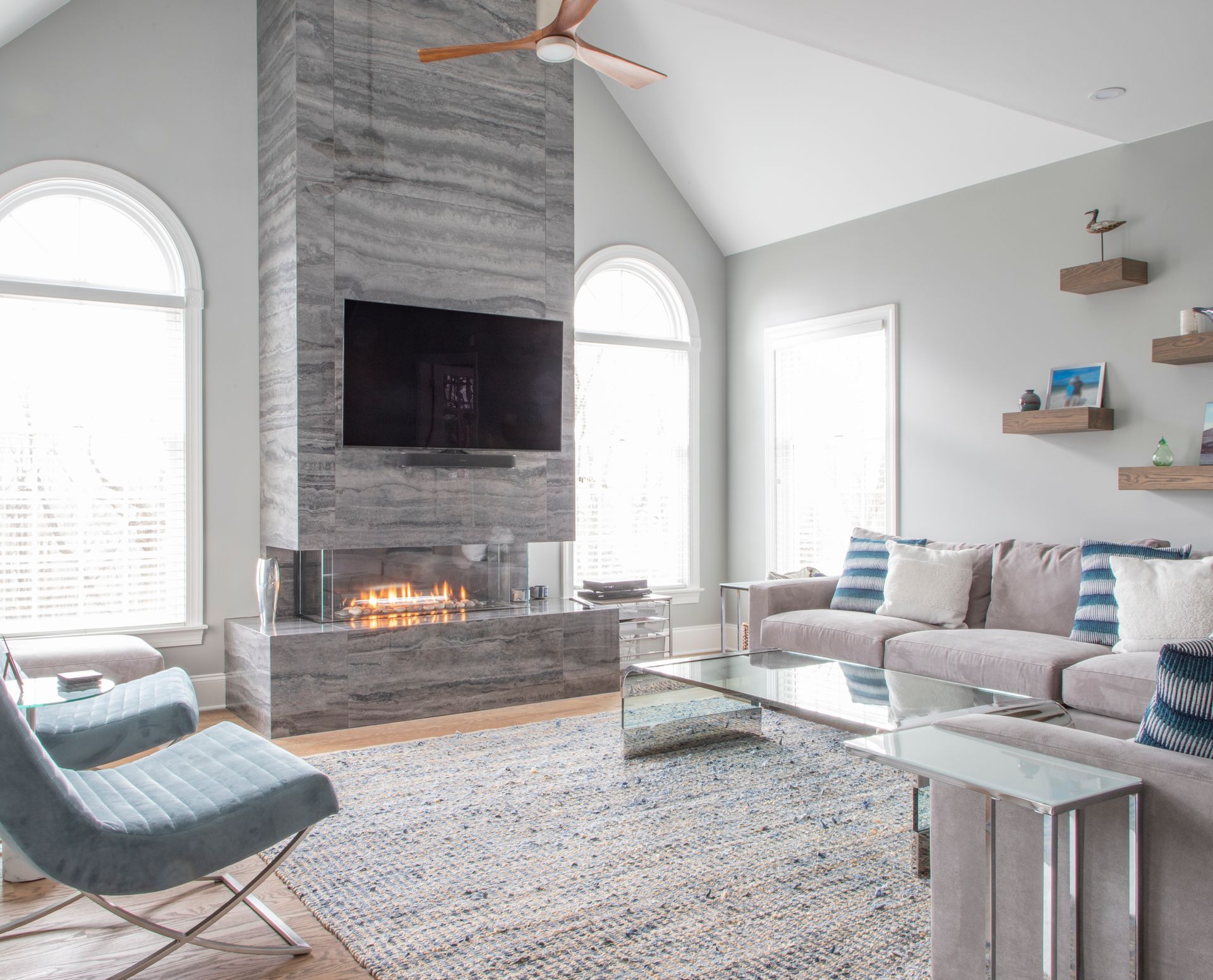
The best results usually come from balance. A crisp quartz countertop may pair beautifully with original wood trim. A custom range hood can add a focal point without feeling trendy. New flooring can be selected to complement adjacent rooms rather than compete with them.
Create a Bathroom that Respects the Home
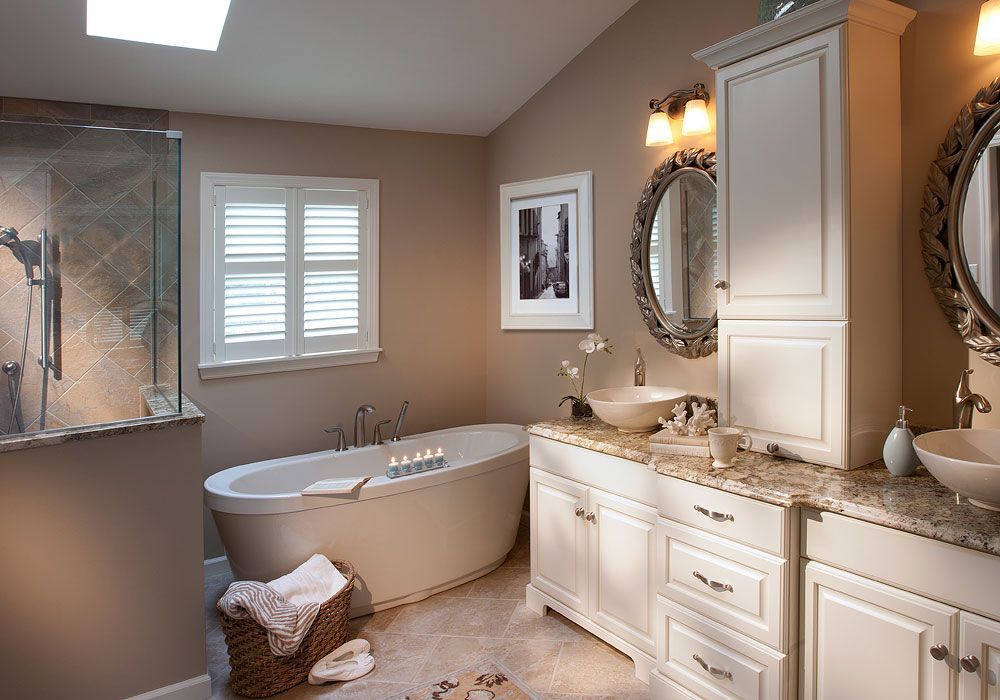
Bathrooms are often the place where old-home character and modern needs collide. Homeowners want comfort, storage, easy cleaning, and better lighting, but a bathroom that feels too sleek can look disconnected from the rest of the house.
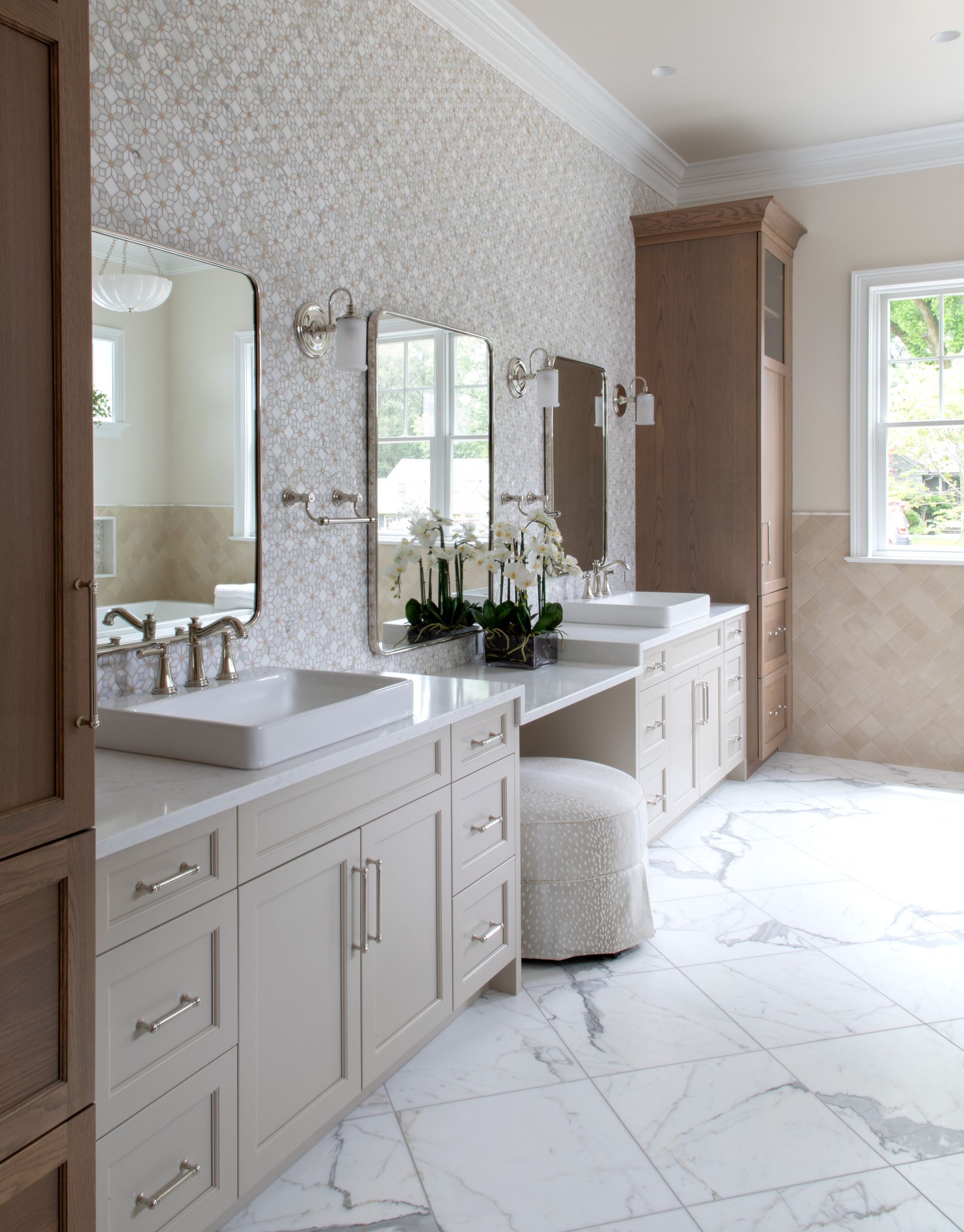
A well-planned bathroom remodeling project can improve daily living while still honoring the home. Vanity style, mirror shape, tile size, fixture finish, wall treatment, and lighting all influence whether the room feels natural. For example, a walk-in shower can feel appropriate in an older home when it is paired with classic tile proportions, warm cabinetry, and carefully chosen metal finishes.
Function matters just as much as style. Ventilation, waterproofing, subfloor conditions, plumbing access, and electrical updates should be considered early. Older bathrooms can hide moisture issues or outdated systems, so a beautiful design needs solid planning behind it.
Plan for Safety Behind the Walls
Historic remodeling is not only about what you see. It is also about what sits behind the plaster, tile, flooring, and trim. Older homes may have outdated wiring, aging plumbing, insufficient insulation, structural movement, uneven floors, or past repairs that need to be corrected before new finishes go in.
Lead safety is another important consideration. The EPA notes that renovation, repair, or painting work in pre-1978 homes that contain lead-based paint can create dangerous lead dust, and recommends hiring contractors certified and trained in lead-safe work practices. This is especially relevant for Lancaster County homeowners remodeling older kitchens, bathrooms, windows, trim, and painted surfaces.
A thoughtful remodel plans for these realities rather than treating them as surprises. Proper investigation, clear scope development, and realistic scheduling help protect both the home and the people living in it.
Keep the Exterior in the Conversation
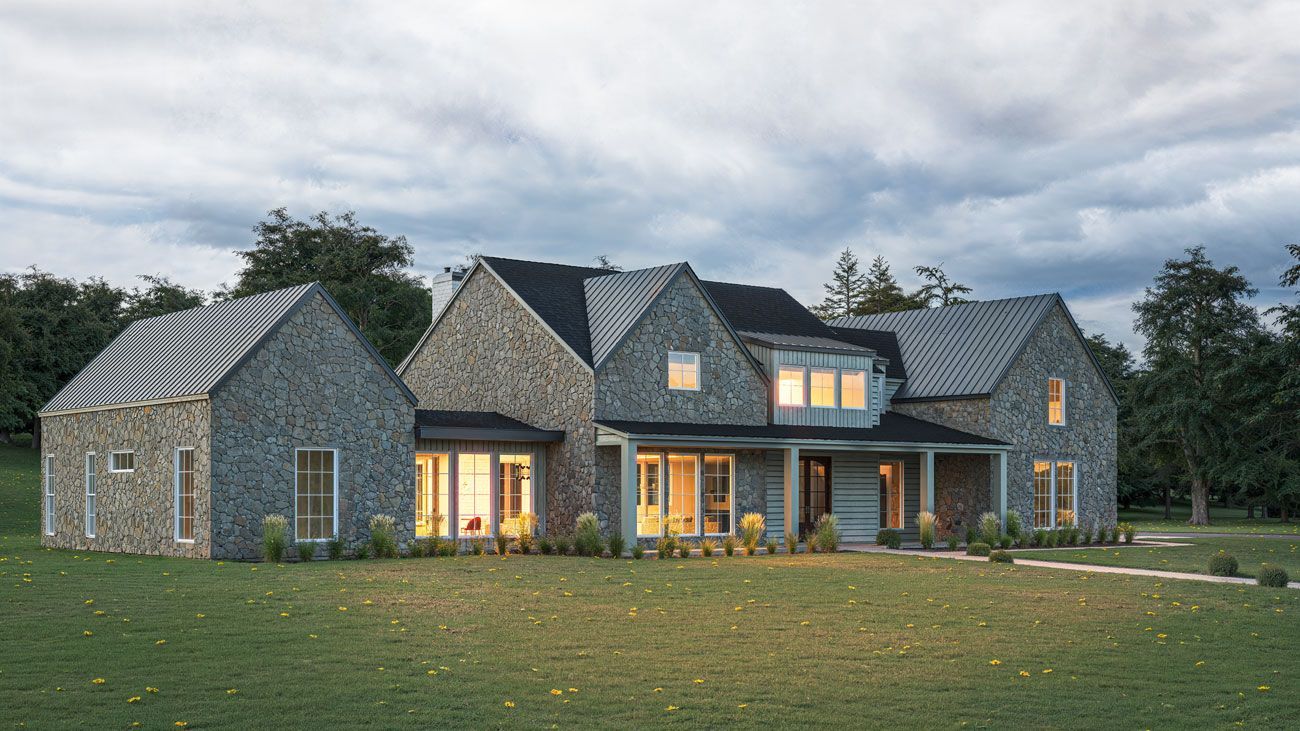
When a kitchen or bath remodel changes the footprint of a historic home, the exterior deserves as much attention as the interior. A new kitchen addition, sunroom, or bathroom expansion should respect rooflines, siding, masonry, window placement, and the proportions of the original structure.
A well-designed custom home addition does more than create square footage. It should look as if it belongs, while still giving your family the space, light, and comfort you need. That may involve matching or complementing exterior materials, aligning window rhythms, choosing rooflines carefully, and planning how the new space connects to patios, gardens, or outdoor views.
Work with a Team that can Guide the Whole Project
Historic kitchen and bath remodeling has more moving parts than a typical cosmetic update. The design needs to respect the home. The construction plan needs to address unknowns. The selections need to feel cohesive. The finished space needs to serve real daily routines.
That is why the right planning process matters. KBE Design Build helps homeowners think through layout, materials, functionality, budget, and construction details before the project moves into the build phase. The result is a remodel that feels intentional from the first conversation through the final walkthrough.
If you are planning a historic home remodel in Lancaster County, start with a conversation about what you love, what no longer works, and what details need to be protected. With the right team, your kitchen or bathroom can feel brighter, more comfortable, and more useful while still feeling like it belongs to the home you already love.
Questions Homeowners Ask Before Updating an Older Kitchen or Bath
These answers help Lancaster County homeowners think through character, comfort, safety, and the value of a coordinated design-build process.
Can a historic kitchen feel modern without looking out of place?
Yes. A historic kitchen can include modern storage, appliances, lighting, and work zones as long as the design respects the home’s scale, materials, and character-defining details.
Should I keep original trim, flooring, or built-ins?
When original details are in good condition and contribute to the home’s character, they are worth discussing during design. Some can be preserved, restored, or incorporated into the new plan. Others may need repair or replacement depending on condition, safety, and project goals.
What should I know before remodeling a pre-1978 home?
Homes built before 1978 may contain lead-based paint, especially on trim, windows, doors, cabinetry, and painted walls. Before disturbing painted surfaces, ask how your remodeling team handles lead-safe practices and what testing or precautions may be appropriate.
Do historic homes need a design-build remodeler?
A design-build remodeler is a strong fit for many historic homes because design, budgeting, selections, construction planning, and problem solving happen under one coordinated process. That helps homeowners make informed decisions before work begins and reduces the chance that important character details are overlooked.
Share Article