Where to Put Dog Bowls: Built-In Feeding Stations and Pet-Friendly Remodel Ideas
Pet-Friendly Remodeling Ideas at a Glance
Where to Put Bowls
Keep feeding spots out of main cooking paths, near a water source, and on easy-to-wipe surfaces like kitchen island ends, base cabinets, or mudrooms.
Built-In Feeding Ideas
Design quartz-lined island alcoves, toe-kick or pull-out bowl drawers, pull-out food bins, pot fillers, or built-in bed nooks that blend into your cabinetry.
Dog Wash Stations
Great for frequent baths or muddy paws. Feature handheld sprayers, full tiling, and hair traps in mudrooms, laundry rooms, or secondary baths.
Costs, Permits & More
Cabinet-only upgrades are lower cost and rarely require permits; plumbing (pot fillers/washers) adds cost. Also plan for pocket gates, litter box closets, and durable flooring.
The best place for dog bowls is a spot out of your main cooking path, close to a water source, and on a floor that wipes clean. In a remodel, that usually means a built-in feeding station at the end of a kitchen island, a pull-out drawer in a base cabinet, or a nook in the mudroom or laundry room.
Pets are part of the family, and more of the homeowners we meet want their remodel to work for the dog or cat too. Below, we walk through where feeding stations work best, what to build into a kitchen or mudroom, what drives the cost, and the other pet-friendly features worth planning while the walls are open.

Where Is the Best Place to Put Dog Bowls in Your Home?
Put dog bowls where your pet can eat calmly, you can refill them easily, and spills land on a surface you can wipe. For most families, that is the end of a kitchen island, a base cabinet near the sink, or a mudroom or laundry room wall. Avoid doorways, the space between the sink and range, and any spot you walk through while carrying hot pans.
When we plan a
kitchen remodel, we treat the feeding spot like any other work zone. It needs clearance, it needs water nearby, and it should not cross the path between your refrigerator, sink, and range. Here is how the common locations compare:
Pet Bowl Placement Guide
End of Kitchen Island
Base Cabinet Drawer Near Sink
Mudroom or Laundry Room
Butler's Pantry
Dining Room / Hallway

What Are the Best Built-In Dog Feeding Station Ideas for a Kitchen?
The most useful built-in dog feeding stations hide the bowls when you are not using them, keep food storage within arm's reach, and put water close by. These are the options we design most often, and each one can be sized to your dog and matched to your cabinetry.
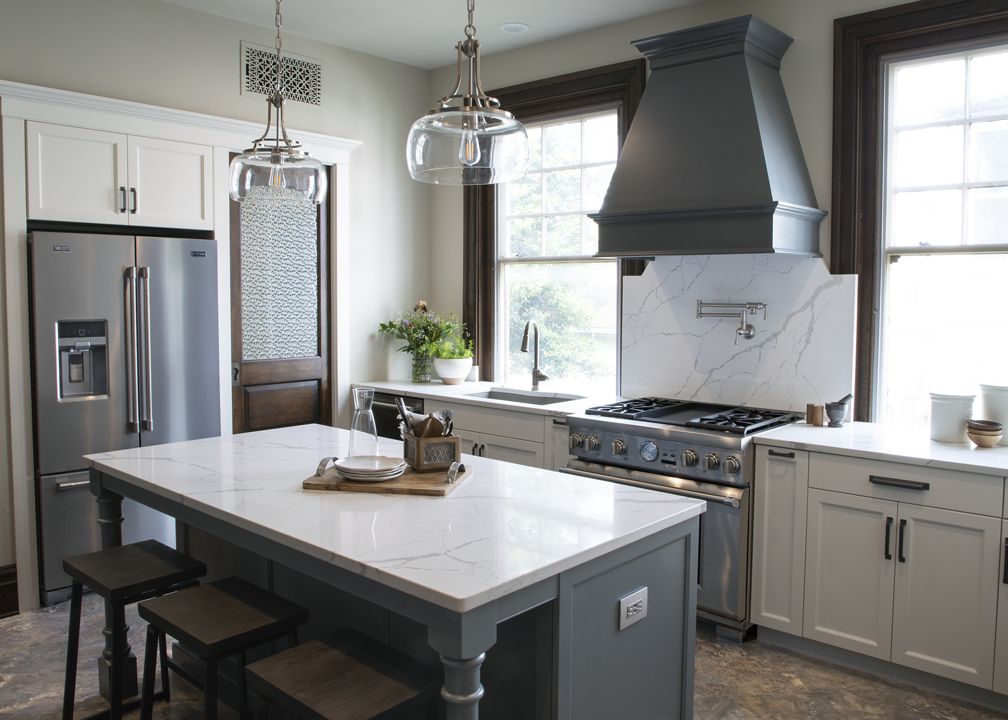
- Island alcove. An open cubby at the end of an island, lined with the same quartz as the countertop above, so spills wipe right off. We have built this for clients, and it keeps bowls available all day without sitting in the walkway.
- Toe-kick bowl drawer. A shallow drawer in the toe kick under a base cabinet slides out at mealtime and tucks away after. It works best for small and medium dogs.
- Pull-out bowl drawer. A full drawer with bowl cutouts at a comfortable height for your dog, built into a base cabinet run.
- Pull-out food bin. A pull-out wastebasket frame fits a large food container, so you are not lifting a heavy bag from the floor. A second pull-out or a drawer can hold treats, scoops, and leashes.
- Water nearby. A pot filler mounted above the station, or a station placed next to the sink, makes refills a one-step job.
- Built-in bed nook. An open cabinet in the island with a dog bed lets your pet stay close without being underfoot. We recently built one for a homeowner who wanted company while cooking.
Should Dog Bowls Be Raised Off the Floor?
Raised bowls are not automatically safer, so ask your veterinarian before you build a station at a fixed height. A widely cited study of large and giant breed dogs found raised feeders were associated with a higher risk of bloat (gastric dilatation-volvulus), not a lower one (Glickman et al., Journal of the American Veterinary Medical Association, 2000).
That finding surprises a lot of people, because raised bowls are often sold as a bloat preventive. Other dogs, such as seniors with arthritis or dogs with certain medical conditions, may do better eating at a raised height. The right answer depends on your pet.
For that reason, we usually recommend designing some flexibility into the station:
- A drawer or cubby with a removable insert, so the bowl height can change later
- Enough interior height to fit a raised stand if your vet recommends one
- A durable, wipeable base (quartz, tile, or a sealed finish) at floor level
A puppy's needs change as it ages, so a station that can adjust will serve your family longer.
What makes a pet wash station work?
Plan the details together so bathing is easier on both you and your pet.
Is a Dog Wash Station in the Home Worth It?
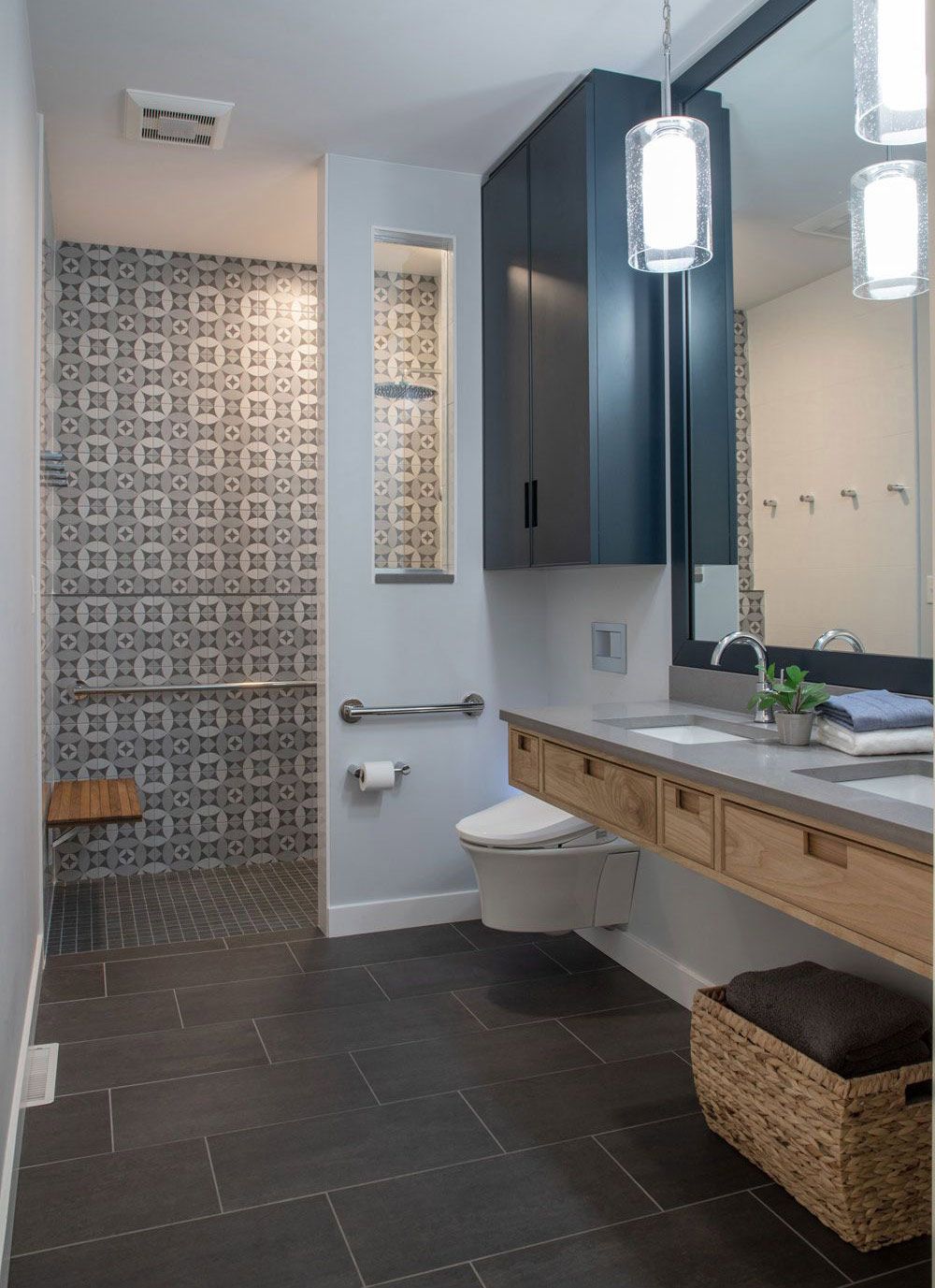
A dog wash station is worth it if you bathe your dog often, have a large or muddy dog, or already plan to remodel a mudroom, laundry room, or bathroom. It saves your back, keeps fur out of your family's tub, and means fewer trips to the groomer between appointments.
Most home pet wash stations we plan go in one of three places: a mudroom by the back door, a laundry room with an existing water line, or a secondary bathroom. The design choices that matter most:
- Height. A raised basin saves bending for small dogs. A floor-level shower with a low curb is easier for large dogs who cannot be lifted.
- Handheld sprayer. A handheld shower head on a slide bar reaches every angle and rinses the walls afterward.
- Tile everywhere water goes. A fully tiled station lets hair and dirt rinse straight down the drain.
- Drain and hair control. A hair trap in the drain protects your plumbing.
- Storage and hooks. A shelf for shampoo and towels and a hook for a leash keep the job one-handed.
We have designed mudroom and laundry room combinations for clients who had no mudroom before, finding space for storage, cleanup, and a butler's pantry in the same project. If a wash station is on your list, our
home renovation team can plan it alongside the rest of the room.
What Does a Built-In Pet Station Cost, and Does It Need a Permit?
A built-in feeding station added to cabinetry you are already ordering is usually a modest line item, while a dog wash station costs more because it adds plumbing, drainage, and waterproofing. The biggest cost factor is whether the project touches plumbing or only cabinetry.
| Feature | Main Cost Drivers | Plumbing Needed? |
|---|---|---|
|
Toe-kick or pull-out bowl drawer
|
Cabinet hardware, drawer box, finish match | No |
|
Island alcove feeding station
|
Island size, countertop material, custom panels | No |
|
Pot filler at the feeding station
|
Water line routing, fixture choice | Yes |
|
Pull-out food storage
|
Cabinet width, pull-out hardware | No |
|
Dog wash station
|
Basin or shower pan, tile, drain, water lines, location in the home | Yes |
Adding a feeding station during a planned kitchen remodel usually costs less than retrofitting one later, because the cabinets, counters, and plumbing are already being built.
On permits: Pennsylvania's
Uniform Construction Code is enforced locally, so requirements vary by township and borough. Cabinet-only changes often need no permit, while new plumbing for a wash station typically does. On our projects, we handle permits as part of
our design-build process, so you do not have to track them down.
What Other Pet-Friendly Features Should You Plan During a Remodel?
The best time to add pet features is during a remodel, when walls, floors, and cabinets are already open. Beyond feeding and bathing, these are the requests we see most:
- Custom pocket gates. A gate that slides into the wall keeps pets out of the kitchen or off the stairs, then disappears when guests arrive.
- Litter box closets. A small closet or vanity with a pet door, a wipeable floor, and semi-gloss paint or tile keeps odor contained. An exhaust fan or air purifier helps too.
- Window seats and under-stair nooks. A bench under a sunny window is a favorite for cats, and dead space under the stairs can become a dog den.
- Durable flooring. Scratch resistance and water resistance matter more than looks alone in a home with pets.
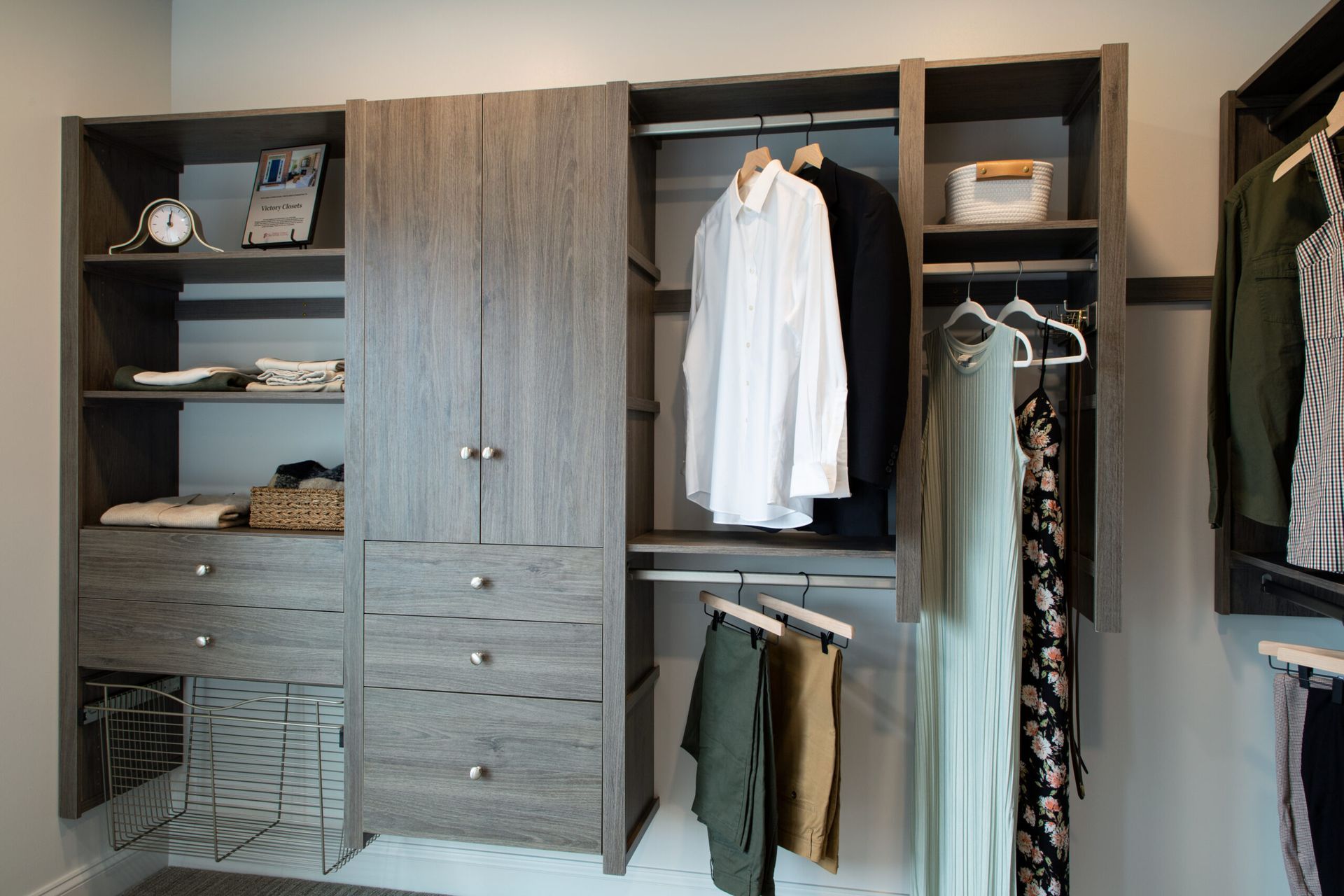
- Dedicated storage. Custom
pantry and closet systems give leashes, toys, and grooming supplies a place of their own.
Before you finalize a design, answer these questions with your designer:
- Where will your pets stay while construction is underway?
- Do your current floors hold up to claws, water, and accidents?
- How much time do your pets spend on furniture, and how does that affect fabric choices?
- Will a layout change remove a spot your pet depends on?
- Where does your pet spend most of the day?
- Which pet features matter most to your household?
Plan a Kitchen That Works for Every Member of the Family
If you are planning a kitchen, mudroom, or bathroom remodel in Lancaster County or central Pennsylvania, we can design a feeding station, wash station, or pet nook that fits your home and your pets. Visit our design showroom or call (717) 627-1690 to talk through your project.
Share Article