


Understanding Kitchen Sink Installation Types
Quick Summary / TL;DR
Pick the installation style then everything else (materials, price, cleaning, etc) gets easier.
Drop-In
Most DIY-friendly. Works great with laminate.
Undermount
Clean wipe-in edge. Best with stone/quartz.
Integrated
Counter + sink as one piece. Zero seams.
Farmhouse
Deep basin + exposed apron front. Big cookware.
Vessel
Statement bowl on top. More “look” than “workhorse.”
Choosing a new kitchen sink seems simple until you start your remodel and realize just how many installation styles exist. Suddenly, this everyday fixture becomes a big decision. And it should. The way a sink is installed affects everything from how easy it is to clean to how your countertops wear over time. It even shapes the overall look and feel of your kitchen.
But it doesn’t have to feel overwhelming. Think of this guide as your shortcut to understanding the most common kitchen sink installation types, how they differ, and which ones match your space and lifestyle.
We’ll break down the pros, the drawbacks, and the practical considerations to take the guesswork out of kitchen sink shopping.
What Are Kitchen Sink Installation Types?
When we talk about installation types, we’re referring to how a kitchen sink is mounted to your countertop. It’s the foundation of your decision-making process.
Choosing the installation style first instantly narrows your options and helps you avoid falling in love with a material or design that won’t work with your countertops or your lifestyle.
Most sinks fall into a handful of mounting categories, such as:
- Drop-in
- Undermount
- Integrated
- Farmhouse
- Vessel
Each one has its own look, maintenance level, and installation needs. Once you understand these basics, every other choice becomes much easier.
Drop-In Sinks
Drop-in sinks (also called top-mount sinks) are the classic, no-fuss option that are very popular with laminate countertops. They’re designed with a visible rim that rests on top of the countertop, which means the sink simply “drops” into a pre-cut opening and is secured from below.
Pros
Drop-in sinks are incredibly DIY-friendly, making them a popular choice for quicker kitchen upgrades. They work with any countertop material, including laminate, which gives you plenty of flexibility during a remodel. They’re also among the most affordable installation styles, both in terms of labor and product costs.
Cons
The primary downfall of drop-in sinks is that they have a rimmed edge visible on the countertop surface that is often a popular place for dirt and grime to gather.
Best For
- Budget-conscious kitchen remodels
- Quick replacements
- Older homes
- Kitchens with laminate countertops
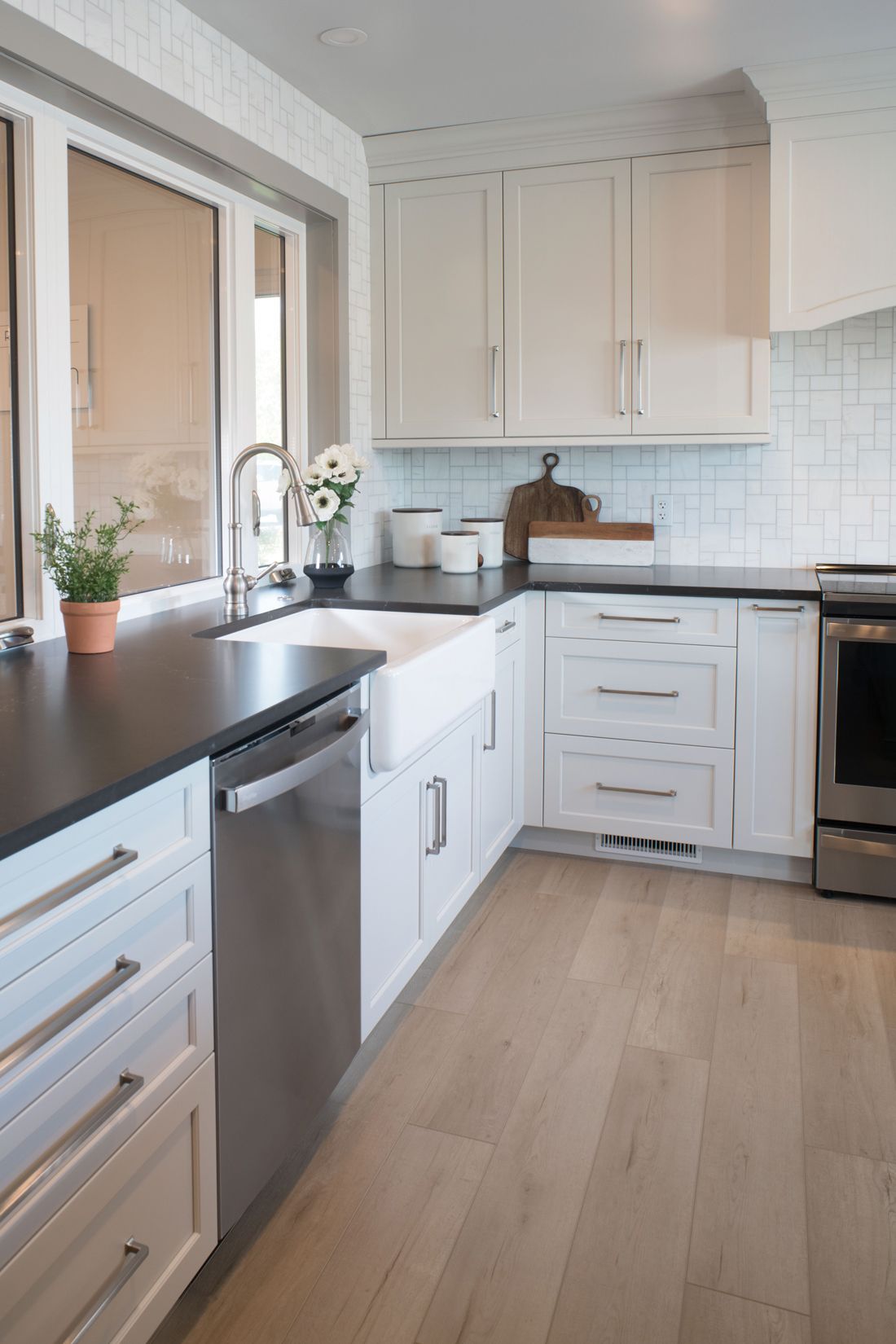
Undermount Sinks
An undermount sink, our most common installation type, is installed just as its name suggests: under the counter. A silicone bead fills the gap between the sink and countertop to minimize any dirt collection. This type of sink is most often installed in stone and quartz countertops.
Pros
Undermount sinks deliver a sleek, modern aesthetic and make cleanup a bit easier. You can wipe crumbs and spills straight into the basin without anything catching on the rim. As mentioned, they pair beautifully with quartz, granite, marble, and other solid-surface countertop materials for your kitchen.
Cons
Because undermount sinks rely on strong support and precise installation, they almost always require a professional. It’s not the greatest DIY option, if that’s what you’re looking for.
Best For
- Modern kitchen designs
- Homes with stone countertops
- Anyone who wants lower-maintenance cleaning
Integrated Sinks
Integrated sinks (also called integral sinks) take the idea of “seamless design” to a whole new level. In this style, the sink and countertop are fabricated together from the same material. Everything flows as one continuous piece to create a cohesive look that feels clean and modern.
Pros
With zero seams, crevices, or junctions, integrated sinks offer one of the most hygienic surfaces you can have in a kitchen. There’s simply nowhere for grime to hide. They’re extremely durable thanks to their premium materials, and their minimalist, uninterrupted lines make them a favorite in contemporary kitchen spaces.
Cons
The elevated look of integrated sinks often comes with a higher price tag. And because the sink is literally part of the countertop, repairs or replacements can be more complicated than swapping out a standard basin.
Best For
- Modern, minimalist kitchen designs
- High-end design
- Easy cleaning experience
Farmhouse Sinks (aka Apron-Front Sinks)
Farmhouse, or apron-front, sinks are instantly recognizable thanks to their exposed front panel and extra-deep basin. It also sits forward about an inch from the countertop. It has gained increasing popularity over the past decade as the farmhouse trend has become mainstream.
Pros
The large basin makes washing oversized pots, baking sheets, and bulky cookware much easier. And because the front is exposed, you can stand closer to the basin, which is surprisingly comfortable during longer dishwashing sessions.
Cons
This style isn’t plug-and-play. It typically requires custom cabinetry or reinforcement to support its weight, which can increase installation costs. The sink's size and structure also mean you’ll need to plan cabinetry and countertop cuts carefully in your kitchen remodel.
Best For
- Farmhouse-inspired kitchens
- Rustic or eclectic designs
- Households that need a large sink
Vessel Sinks
Vessel sinks are the bowl-like basins that sit entirely on top of the counter. They are far more common in bathrooms, but they occasionally make an appearance in rustic or vintage-inspired kitchens.
Pros
Vessel sinks definitely stand out. They offer a visually distinctive look and often come with a deep basin. Installation is simple since the sink sits above the counter.
Cons
They’re not the most ergonomic option for everyday kitchen tasks, and most homeowners find them less practical for heavy, frequent use.
Best For
- Statement kitchens
- Vintage aesthetics
- Low-use prep or handwashing areas
Decision Path: Choose Your Installation Type
Answer these 4 questions in order. Your best option usually becomes obvious by step 2 or 3.
-
Countertop material?
Laminate favors top-mount. Stone/quartz opens up undermount.
-
Cleaning style?
If you want “wipe crumbs straight in,” avoid a raised rim.
-
Kitchen aesthetic?
Match the sink to the style so it looks intentional, not “added.”
-
Budget + install?
Some styles cost more to install than to buy—plan labor early.
Get expert guidance
How to Choose the Best Kitchen Sink Installation Type for Your Home
Now that you know the options, how do you choose the installation type that actually fits your lifestyle?
Start with your countertop material.
Most materials come in various installation types but be sure to check with your local plumbing supplier for specific options. Popular materials include:
- Stainless steel sinks are typically the most economical sink selection. The sink’s gauge (stainless steel thickness) will indicate how durable the finish is. The lower the gauge of steel, the stronger the material, the less likely it is to scratch or dent.
- Composite sinks blend natural materials ground together to create a very strong, heat-resistant, scratch-resistant product. Available in various colors, composite sinks are available in double- and single-bowl configurations.
- Cast iron and fireclay are two popular materials used in apron-front sinks. Cast iron is a stronger product that resists chipping more than fireclay, but it can carry a heavier price tag.
Take some time to consider how you currently use your sink, and that should help you decide which installation type and material will be best for you.
Think about your cleaning preferences.
Next, think about how you like to clean. If you want the ability to swipe crumbs straight into the basin, undermount or flush-mount sinks may be your best bet. If upkeep isn’t a concern for you, you have more freedom to choose what works best for your lifestyle and preferred design aesthetic.
Match the sink to your kitchen design style.
If you have a farmhouse kitchen, an apron-front sink fits right into that look. But if you have a more modern or minimalist kitchen aesthetic, look toward undermount or integrated options. Transitional spaces can benefit from the clean lines of flush-mount or dual-mount installations.
Factor in your budget.
Some sinks cost more to install than to buy. Undermount, flush-mount, and integrated sinks typically require professional installation. If you’re handy, drop-in sinks are more DIY-friendly and budget-conscious. Don’t forget to plan for both materials and labor.
Consider your daily use and lifestyle.
Do you wash oversized pots? Cook every day? Prefer low-maintenance surfaces? Your habits should guide how you choose your kitchen sink.
In the end, the best sink for your home is the one that balances aesthetics, function, and practicality.
Get Expert Help Finding the Perfect Kitchen Sink for Your Pennsylvania Home
Choosing the right kitchen sink doesn’t have to feel overwhelming. Once you understand the different installation types (and how they shape your kitchen’s function and style), the decision becomes much clearer.
Have fun when making these selections! A sink can add a punch of color to a kitchen, or it can act as a background item to a decorative faucet. It’s all about finding the option that fits the way you cook, clean, and live every day. Just make sure to see your sink and faucet together on display to ensure you will love your selections for years to come.
Whether a simple sink update or a full renovation is on your horizon, our team of Lancaster, PA design experts is here to help you bring your ideal kitchen to life. Schedule a free consultation with us today!
Want help picking the “right” sink?
Our Lancaster, PA design-build team can help you match sink style, faucet, and countertop material—so it looks great and works for your day-to-day.
Quick FAQs
Which sink type is easiest to keep clean?
Integrated sinks have no seam at the countertop, and undermount sinks let you wipe crumbs straight into the basin—both are strong “low-grime” picks.
Can I do an undermount sink with laminate counters?
Usually laminate is better suited to drop-in/top-mount. Undermount is most common with stone/quartz where the cut edge is more durable.
Do farmhouse sinks require special cabinetry?
Often yes—because of the size and weight, the base cabinet may need reinforcement and careful planning for countertop cuts.
What’s the best “budget + function” combo?
A drop-in sink is typically the most cost-effective install. Pair it with a durable faucet finish and you can still get a polished look.
Share Article